
Air Pollution and Heat Far Deadlier Together, Warns Soumya Swaminathan at Mumbai Climate Week

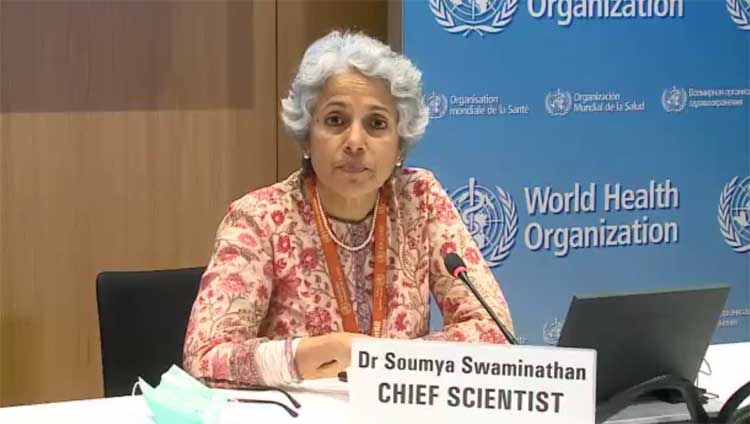
Air pollution and extreme heat together pose a far greater threat to human health than either hazard alone, said Soumya Swaminathan, former chief scientist at the World Health Organization, during this week’s Mumbai Climate Week (MCW).
Speaking at a session on extreme heat and outdoor labour, Swaminathan pointed to research highlighting the compounded risks.
“Studies from California show that on days with both extreme heat and high air pollution, deaths are three times higher than on days with either condition alone,” she said.
Across South East Asia, climate change is intensifying heatwaves, while already high levels of air pollution are worsening health impacts. The combination exacerbates cardiovascular and respiratory illnesses and increases premature mortality, Swaminathan noted, while stressing the need for more region-specific research.
Bringing Climate Dialogue to the Global South
Mumbai Climate Week, which concluded on Thursday, marked the first event of its kind in South East Asia. Modelled on established climate gatherings in New York and London, the event was organised by Project Mumbai in partnership with Indian and international organisations, including the Clinton Global Initiative, UN agencies, and The Climate Group.
The goal was to shift climate conversations closer to regions most vulnerable to its effects.
“Mumbai represents both opportunity and urgency,” said Shishir Joshi, CEO and founder of Project Mumbai. “We wanted to create a platform where voices from India and the broader Global South could drive the discussion.”
India’s financial capital faces multiple climate-linked challenges, including extreme heat, flooding, erratic rainfall, and deteriorating air quality.
The Maharashtra government backed the event and used the platform to advance its ‘Be Cool’ initiative, developed with support from the United Nations Environment Programme (UNEP), to promote scalable cooling solutions.
Outdoor Workers on the Front Lines
Experts emphasised that India’s outdoor workforce is among the most exposed to climate extremes. An estimated 231.5 million Indians work outdoors in sectors such as agriculture, construction, and delivery services.
Many heat-related health effects remain poorly recognised, said Radhika Khosla of the University of Oxford.
“Workers often experience chronic exhaustion, kidney stress, and declining productivity long before a medical emergency occurs. The true burden of heat remains largely invisible,” she said.
Women face particular risks. Nearly 62% of India’s female workforce is employed in agriculture, making them predominantly outdoor workers.
Even women working from home are vulnerable, noted Renana Jhabvala, President of SEWA Bharat.
“Many homes have aluminium sheet roofs, where indoor temperatures can be 8–10°C higher than outside,” she said, adding that the resulting health and productivity losses frequently go undocumented.
Low-Cost Cooling Solutions Needed
Panelists highlighted practical, low-cost interventions that could significantly reduce risks. These include reflective cooling paints, heat-resistant roofing, expanded urban shade and green cover, and improved access to drinking water and sanitation facilities.
Global Initiatives and Insurance Models
The Clinton Global Initiative (CGI) showcased an occupational heat insurance programme aimed at protecting vulnerable workers. The scheme compensates workers for income losses during extreme heat events.
“So far, about 500,000 people have been enrolled in India,” said Hillary Clinton during a fireside discussion.
“Women are often on the front lines of climate change, particularly in the Global South, where many work outdoors under increasingly dangerous conditions,” she said, describing India as a potential model for similar programmes elsewhere.
Financing the Climate Transition
Access to finance emerged as another central theme. Clinton observed that women workers and grassroots climate advocates often face greater barriers to funding, even when solutions are available.
Experts stressed the importance of blended finance — combining public and private investment — to accelerate climate adaptation and resilience projects.
“Neither governments nor markets alone can meet the scale of the challenge,” said Clarisa De Franco of Allied Climate Partners. “Blended finance is critical for unlocking investment in the Global South.”
Despite challenges, participants expressed optimism about India’s ability to attract climate capital, citing its growing importance in global investment strategies.
Comments are closed.