
Air India Refutes Allegations of Coercion in Crash Compensation Dispute

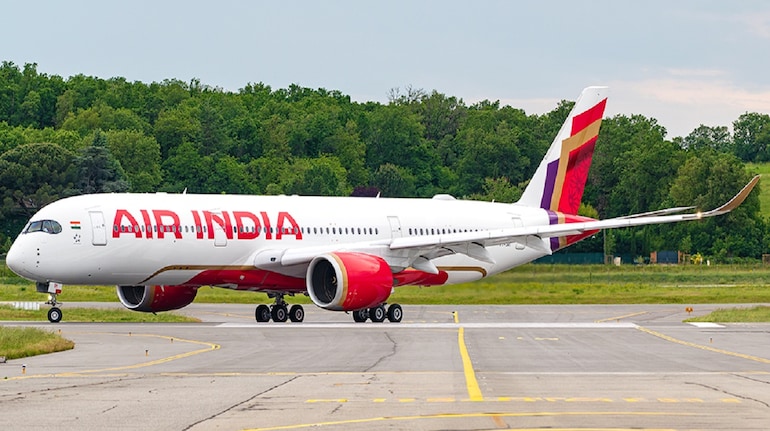
Air India has firmly denied allegations that it coerced passengers and families of victims involved in the recent aircraft accident into signing waivers in exchange for compensation. The national carrier issued an official statement dismissing media reports suggesting forceful tactics, calling them “completely baseless and misleading.”
The airline’s response comes amid growing public scrutiny and media coverage following claims that passengers were being compelled to forgo their right to legal recourse in order to receive financial assistance.
Background: The Incident
The controversy follows the tragic incident involving Air India Flight AI171, which crashed shortly after takeoff last month, resulting in multiple fatalities and injuries. While the Directorate General of Civil Aviation (DGCA) and independent agencies continue to probe the technical causes of the crash, the focus has shifted toward the airline’s handling of post-accident support and compensation.
Reports emerged alleging that victims’ families were asked to sign documents that included clauses restricting their ability to pursue further legal claims or lawsuits. These claims sparked outrage among civil rights advocates and aviation experts, who warned that any such move could amount to exploitation of trauma.
Air India’s Clarification
In its official rebuttal, Air India stated:
“We categorically deny any allegations of coercion. The compensation process is being handled with utmost sensitivity and transparency, in accordance with applicable legal frameworks and international norms.”
The airline clarified that the documents being circulated are standard procedural agreements, meant to facilitate prompt disbursal of interim financial aid, and do not waive the right to future legal action unless done voluntarily.
Air India also emphasized that its legal and customer care teams have been instructed to fully inform families of their rights and options, and that no individual has been pressured into signing any document under duress.
Regulatory Oversight and Legal Observations
Civil aviation regulators are monitoring the situation closely. The DGCA has yet to comment formally on the compensation-related developments, but sources indicate that the agency may review standard operating procedures for accident-related settlements if irregularities are found.
Legal experts note that international aviation treaties, such as the Montreal Convention, mandate fair compensation mechanisms and protect the rights of air crash victims and their families. Any clause that is deemed coercive or lacking informed consent could be challenged in court.
Public and Political Reaction
Several passenger rights groups have urged the government to ensure transparency and independent oversight of the compensation process. Opposition leaders have called for a parliamentary inquiry into the airline’s conduct and the DGCA’s role in protecting consumers.
Social media platforms have seen a surge in commentary, with many users demanding higher accountability and reforms in the aviation sector’s crisis management protocols.
Ongoing Investigation and Support
Meanwhile, the investigation into the cause of the crash continues. Preliminary findings suggest a possible technical failure, but authorities have yet to issue a conclusive report. Air India has reiterated its commitment to cooperating fully with investigators and to supporting affected families through counselling, logistical aid, and financial support.
The airline has also set up a dedicated helpline and compensation cell to assist relatives and survivors, and has pledged to ensure timely updates on the probe and support process.
As emotions remain high in the aftermath of the Air India Flight AI171 tragedy, the focus now shifts to ensuring justice, transparency, and support for those affected. Air India’s strong denial of coercion claims will likely be scrutinized further as investigations and legal reviews progress. The incident highlights the urgent need for stronger passenger protection laws and more robust mechanisms for post-crisis accountability in Indian civil aviation.
Comments are closed.