
A Guide to a Happy Old Age: Adapting to Change with Wisdom and Grace

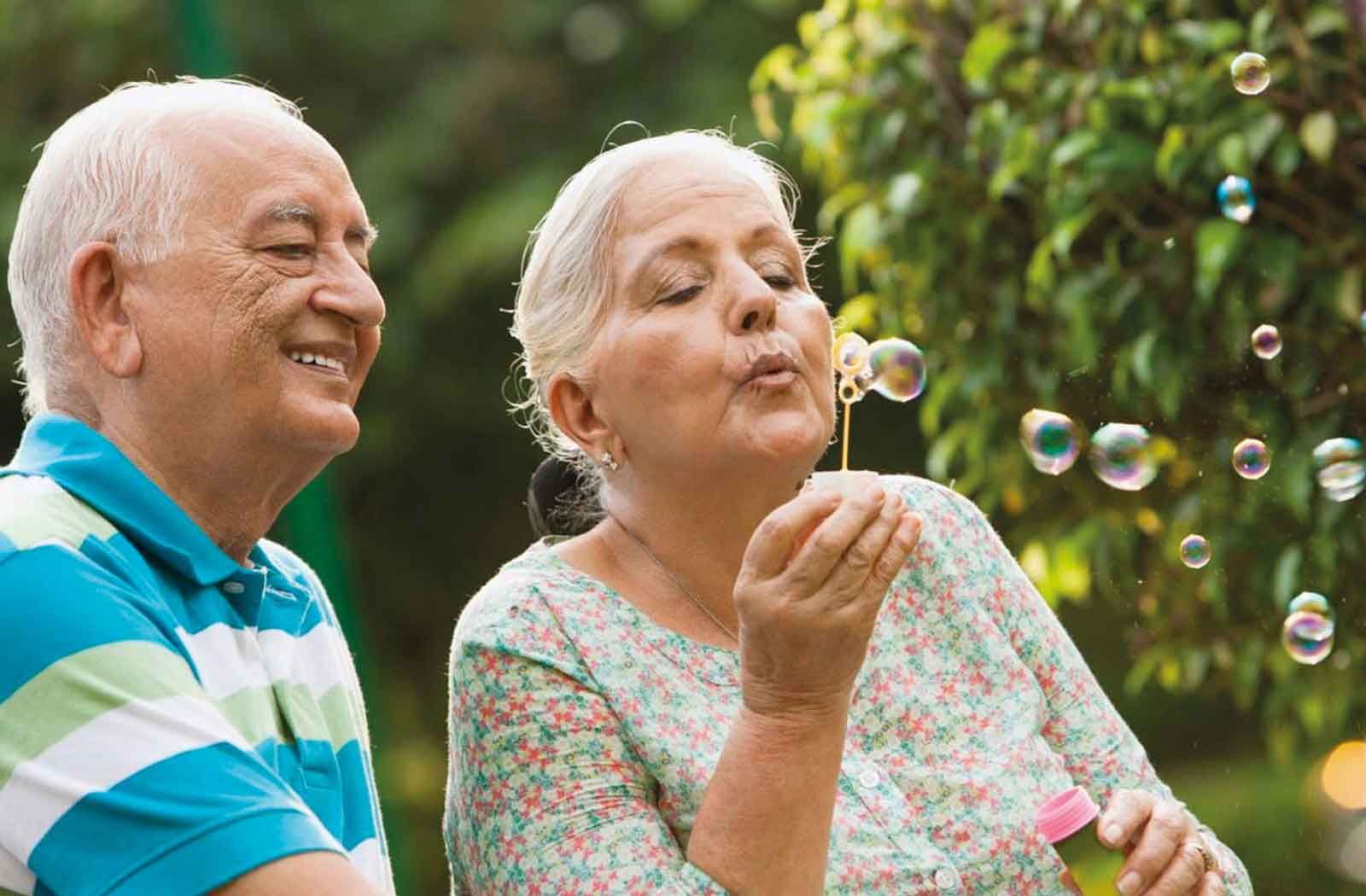
In today’s rapidly changing world, growing old no longer means growing irrelevant. With shifting family structures, urbanization, digital evolution, and rising life expectancy, the concept of old age is being redefined. However, for this transition to be fulfilling, elders must equip themselves with new life skills rather than rely on traditional social roles or lament fading norms.
Here’s a practical and empowering guide to help seniors create a happy, meaningful, and active life in their golden years:
1. Accept Change Gracefully
One of the biggest challenges seniors face is coping with change—in family dynamics, roles, technology, and society. Instead of resisting or blaming others, embracing change with a flexible mindset fosters peace. Aging should be seen as a new phase of growth, not decline.
2. Redefine Your Purpose
Retirement is not the end—it’s a new beginning. Whether through volunteering, mentoring, learning, or creating, finding purpose in small, consistent acts brings joy and satisfaction. A sense of relevance combats loneliness and fuels emotional health.
3. Stay Physically Active
Regular movement—be it walking, yoga, swimming, or light stretching—improves mobility, boosts energy, and reduces the risk of chronic illness. Physical health is the foundation of mental well-being, especially in old age.
4. Keep Your Mind Engaged
Learning never stops. From reading and puzzles to joining discussion groups or even online courses, keeping your brain sharp enhances memory, focus, and confidence. Digital literacy is also becoming increasingly important for independence.
5. Build and Nurture Social Bonds
Isolation can lead to anxiety and depression in the elderly. Maintaining relationships with family, friends, and community groups—online or offline—nurtures the human need for connection. Engaging in clubs, senior meetups, or religious communities can be revitalizing.
6. Practice Financial Awareness
Seniors must be empowered to manage their finances with clarity and caution. Budgeting wisely, avoiding scams, and making informed decisions about savings, pensions, and healthcare expenses is crucial to secure peace of mind.
7. Embrace Technology
Learning to use smartphones, video calling, digital payments, and social media opens up new worlds. Technology, when used wisely, bridges distances and empowers independence.
8. Focus on Emotional and Spiritual Wellness
Meditation, prayer, journaling, or simply enjoying nature can offer a deep sense of calm and contentment. Letting go of grudges, forgiving, and focusing on gratitude contributes to inner peace and emotional freedom.
9. Prioritize Preventive Health Care
Regular health checkups, a balanced diet, medication management, and staying hydrated are vital. Mental health care is equally important—seeking help is strength, not weakness.
10. Stay Curious, Stay Involved
Old age doesn’t mean stopping—it means slowing down with purpose. Curiosity keeps the spirit alive. Be involved in family decisions, take interest in world affairs, or try something you’ve never done before.
A happy old age doesn’t come from trying to turn back time. It comes from accepting the present, adapting proactively, and aging with intention. Elders must rise above outdated expectations and create fresh road maps in line with modern realities.
In doing so, they not only enrich their own lives but also become pillars of wisdom, strength, and resilience for younger generations to admire and learn from.
Comments are closed.