
Goa Beaches Receive International Blue Flag Recognition for 2026-27 Season

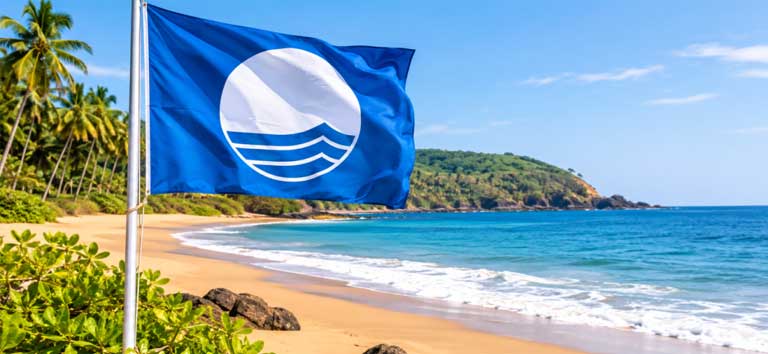
Goa has achieved a major milestone in sustainable tourism, with Mandrem Beach in North Goa and Galgibaga Beach in South Goa receiving the prestigious international Blue Flag certification for the 2026-27 season. The recognition highlights the state’s efforts to promote environmental conservation, cleaner beaches and responsible coastal tourism.
The announcement was formally communicated to the Goa government on November 20, 2026, following confirmation from the International Blue Flag Jury and the Foundation for Environmental Education (FEE).
With this achievement, Goa has strengthened its presence in India’s network of internationally recognised beaches. The latest recognition comes after Palolem Beach also received the Blue Flag certification, taking the number of certified beaches in the state to three.
Mandrem and Galgibaga Beaches Earn International Recognition
Located in North Goa, Mandrem Beach is known for its scenic coastline, coastal vegetation and relatively peaceful surroundings. Its natural landscape makes it an attractive destination for visitors looking for a quieter beach experience away from some of Goa’s busier tourist areas.
Galgibaga Beach, situated in South Goa, is recognised for its relatively undisturbed coastal environment and ecological importance. The beach is particularly significant as an Olive Ridley turtle-nesting habitat, making environmental protection an important priority.
The certification covers designated stretches of both beaches and recognises their compliance with international standards for environmental management, water quality, visitor safety and beach services.
What Is the Blue Flag Certification?
The Blue Flag certification is an internationally recognised eco-label administered by the Denmark-based Foundation for Environmental Education (FEE). It is awarded to beaches, marinas and tourism boats that meet strict environmental and safety requirements.
The programme assesses destinations across four major categories:
- Environmental education and information: Providing visitors with information about local ecosystems and environmental protection.
- Bathing water quality: Maintaining clean water that meets prescribed international standards.
- Environmental management and conservation: Ensuring proper waste management, cleanliness and protection of natural habitats.
- Safety and services: Providing appropriate safety arrangements, accessibility and essential visitor facilities.
Receiving the certification requires destinations to meet the prescribed criteria and continue maintaining those standards.
Goa Focuses on Sustainable Coastal Tourism
Goa Tourism Minister Rohan A. Khaunte welcomed the recognition, describing it as an important step towards responsible and regenerative tourism. He highlighted the need to protect the ecological value of the state’s beaches while improving the overall experience for visitors.
Tourism Director Kedar Naik said the department would work with the Forest Department, district administrations, local governance institutions and beach management committees to maintain the required standards.
The authorities are also planning to strengthen beach infrastructure, cleanliness, visitor safety, accessibility and environmental awareness. The state aims to extend similar practices to other suitable beaches across Goa.
When Will the Blue Flag Beaches Open?
The formal Blue Flag seasons at Mandrem and Galgibaga will begin after the completion of the required site-level preparations and management arrangements. The physical Blue Flags are being dispatched from the Netherlands ahead of the official flag-hoisting ceremonies.
The certification does not restrict public access to either beach. Visitors can continue to enjoy the designated stretches without an entry fee.
What Does This Mean for Tourists Visiting Goa?
The international recognition is expected to strengthen Goa’s appeal among domestic and international travellers who prioritise clean, safe and environmentally responsible destinations.
For tourists, Mandrem and Galgibaga offer an opportunity to explore Goa beyond its popular nightlife, beach shacks and crowded coastal attractions.
The recognition also places greater emphasis on protecting fragile coastal ecosystems, particularly Galgibaga’s Olive Ridley turtle-nesting habitat.
With three Blue Flag-recognised beaches, including Palolem, Goa is looking to strengthen its position as a destination that combines tourism experiences with environmental conservation and sustainable development.
Comments are closed, but trackbacks and pingbacks are open.