
Gold, Silver Prices Crash to One-Year Lows as Strong Dollar and US Rate Hike Fears Trigger Sell-Off

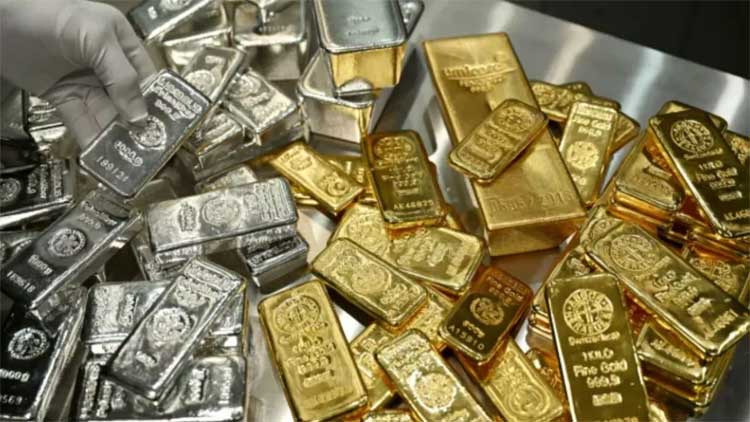
Gold and silver prices extended their steep decline in Indian and international markets on Friday, November 20, falling to their lowest levels since August 2025 as a stronger US dollar, rising bond yields and expectations of another Federal Reserve interest rate hike triggered heavy selling in precious metals.
The decline was particularly sharp in silver, which fell around 6%, while gold prices dropped nearly 4% during early trading on the Multi Commodity Exchange (MCX).
Gold futures for December delivery fell to Rs 1,22,430 per 10 grams, while silver futures declined to Rs 1,48,466 per kilogram. Both metals recovered some losses later but remained under significant selling pressure. According to the India Bullion and Jewellers Association (IBJA), 24-carat gold was quoted at Rs 1,23,584 per 10 grams, while silver stood at Rs 1,50,650 per kilogram on November 20.
The latest correction has intensified concerns among investors following a strong rally in precious metals earlier this year.
Why are gold and silver prices falling?
A stronger US dollar and rising Treasury yields have emerged as the major factors behind the bullion sell-off.
Markets are increasingly anticipating another interest rate increase by the US Federal Reserve in December amid persistent inflation concerns. Higher interest rates generally reduce the attractiveness of gold and silver because these assets do not generate interest income.
Expectations of tighter monetary policy have also encouraged investors to shift towards interest-bearing assets and the US dollar.
According to market analysts, the sell-off has been compounded by weakness in technology and artificial intelligence-related stocks. Investors facing losses in other markets have reportedly been liquidating precious metal positions to raise cash and meet margin requirements.
Reuters reported that international spot gold fell to around $3,514 an ounce on Friday, its lowest level in 14 months, while silver declined to approximately $40.99 an ounce.
Gold and silver suffer steep weekly losses
The latest decline has significantly reduced the value of precious metals from their recent highs.
Gold has fallen around 12% since November 9, while silver has lost approximately 19% since November 5, according to market data reported by The Economic Times.
The correction has also affected gold and silver exchange-traded funds (ETFs), with several domestic schemes recording substantial losses as they tracked the decline in underlying bullion prices.
Silver-linked ETFs have faced particularly heavy pressure, reflecting the metal’s greater volatility and exposure to industrial demand.
Silver faces additional pressure from industrial demand
Unlike gold, which is primarily viewed as a store of value and safe-haven asset, silver has substantial industrial applications, including electronics, solar panels and manufacturing.
Concerns about slowing industrial activity, particularly in China, have therefore added another layer of pressure on silver prices.
Market experts say weaker industrial demand expectations, combined with a stronger dollar and higher interest rates, have contributed to silver’s sharper correction.
What should investors watch next?
The direction of gold and silver prices in the coming sessions is likely to depend heavily on US economic indicators, Federal Reserve policy signals, movements in the dollar and global bond yields.
The Federal Reserve’s December policy meeting will be particularly important in determining whether expectations of further monetary tightening intensify or ease.
While lower prices could attract jewellery buyers and investors who had been waiting for a correction, analysts caution that market volatility may continue.
The recent decline has already encouraged some retail buyers to return to the market, although purchasing activity remains cautious, with consumers preferring smaller and staggered purchases rather than large transactions.
For investors, the sharp correction highlights the risks of entering precious metal markets during periods of elevated volatility. Further movements in interest rate expectations and global economic conditions are likely to determine whether gold and silver stabilize or face additional selling pressure.
Comments are closed, but trackbacks and pingbacks are open.