
COP31 Draft Agreement Drops References to Fossil Fuels Amid Divisions Over Climate Action

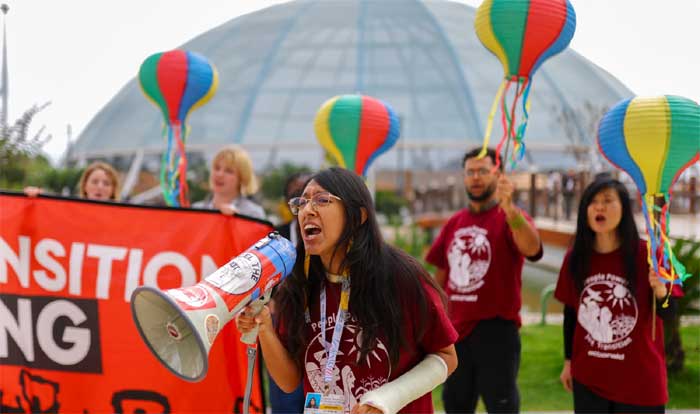
Australia, co-host of the COP31 climate summit, unveiled a revised draft agreement on Thursday that removes all references to fossil fuels, the leading source of human-induced climate change.
Nearly 200 countries participating in the UN climate negotiations in Antalya, Türkiye, have until Friday to reach a final agreement, although negotiations at previous summits have frequently extended beyond their scheduled deadlines.
The latest draft follows days of intense negotiations over contentious issues, including energy policy, climate finance and international trade. An earlier version of the proposed agreement had outlined competing positions among participating nations but faced criticism for its length and complexity.
Australia, which is chairing the negotiations, subsequently released a shorter version, approximately half the length of the original, incorporating revised language and new proposals on several disputed issues.
However, the revised document has dropped a proposal calling for “accelerated action to phase out fossil fuels” and makes no specific reference to coal, oil or natural gas.
The omission has raised concerns among countries seeking stronger commitments to reduce fossil fuel dependence. At COP31, several nations have pushed for explicit language on fossil fuels, particularly after last year’s climate summit in Brazil concluded without mentioning them in its final agreement.
At COP28 in Dubai in 2023, countries agreed to transition away from fossil fuels in energy systems. However, reaching consensus on specific commitments concerning fossil fuels remains difficult because UN climate negotiations require agreement among participating nations.
The draft agreement, known as the cover decision, is intended to summarise the outcomes of COP31 and establish priorities for future international climate action.
Climate Finance and Energy Transition
The negotiations are taking place amid mounting climate and geopolitical challenges, including a record-breaking El Niño, climate-related disasters across Europe and Nepal, and a global energy crisis triggered by the war involving Iran.
The revised draft highlights the potential benefits of electrifying the global economy, particularly in strengthening energy security and reducing greenhouse gas emissions.
It proposes increasing electricity’s share of global final energy demand to 35 per cent by 2035, a key initiative promoted by summit host Türkiye.
The document also proposes further discussions on tripling climate adaptation finance by 2035, addressing a major demand from developing countries that face growing costs from climate change.
However, developed nations have resisted calls for increased financial commitments, citing budgetary constraints and arguing that major emerging economies should also contribute to climate finance.
The draft further expresses “deep concern” over the imminent breach of the Paris Agreement’s 1.5°C temperature target and highlights the importance of scientific assessments by the Intergovernmental Panel on Climate Change (IPCC).
Panama Threatens to Block Climate Deal
Tensions escalated on Thursday when Panama threatened to block any final agreement that failed to address its demands, including a proposal to establish a global cap on oil production.
With negotiations approaching their deadline, disagreements over fossil fuels, climate financing and energy security remain major obstacles to reaching a consensus.
The outcome of COP31 will depend on whether countries can bridge these differences and agree on a common framework for accelerating climate action.
Comments are closed, but trackbacks and pingbacks are open.