
EU Delays Methane Emissions Rules for Fossil Fuel Imports by Two Years

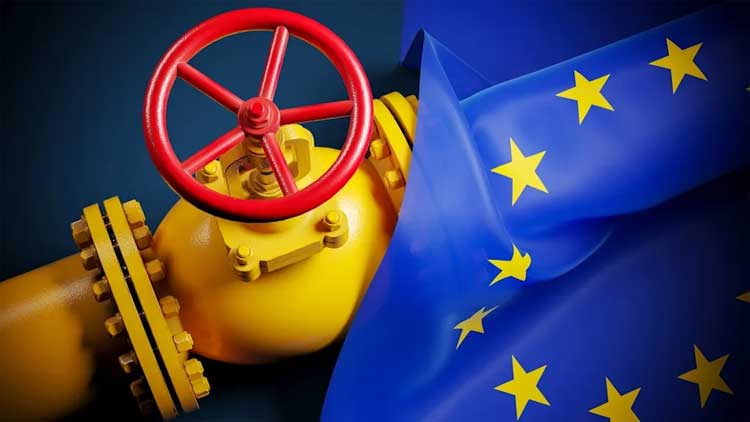
The European Union (EU) and the European Parliament have agreed to postpone by two years the implementation of rules requiring oil, gas and coal importers to report methane emissions, citing disruptions to global energy supplies caused by the US-Israeli war with Iran.
The decision, announced on Thursday, moves the implementation deadline from January 1, 2027, to January 1, 2029.
The European Commission had initially proposed a one-year postponement in October, following pressure from several governments, including France and the United States. They argued that energy importers could struggle to secure sufficient supplies that comply with the new requirements.
The EU’s methane regulation, the world’s first major framework of its kind, aims to reduce methane leaks across the fossil fuel supply chain. However, the latest postponement has raised concerns about the impact on international efforts to tackle climate change. It follows another concession in July, when the European Commission decided to suspend penalties for non-compliance for three years.
Methane is significantly more powerful than carbon dioxide in trapping heat over the short term, although it remains in the atmosphere for a much shorter period. Reducing methane emissions can therefore deliver relatively rapid benefits in slowing global warming.
Compromise Between EU Member States and Parliament
The two-year delay represents a compromise between the positions of EU member states and the European Parliament.
Member states had supported the Commission’s proposed one-year postponement, while also suggesting a mechanism allowing two additional one-year extensions if the Commission could not demonstrate that implementation was ready.
The European Parliament, meanwhile, had supported a three-year delay.
The United States continued to lobby for a longer postponement. On Tuesday, US Ambassador to the EU Andrew Puzder told a forum in Brussels that he hoped member states would support a three-year delay, arguing that the penalties for non-compliance posed significant risks to American oil companies.
Climate Concerns Over the Postponement
The decision comes amid growing concerns over the effects of climate change. Western Europe experienced its hottest summer since records began, accompanied by droughts and devastating wildfires, according to the EU’s Copernicus Climate Change Service.
The year 2026 is also expected to become the second year, after 2024, in which global temperatures exceed 1.5°C above pre-industrial levels. Scientists warn that sustained warming above this threshold would significantly increase the risks of extreme heatwaves, droughts, floods and other climate-related disasters.
Environmental groups have criticised the EU’s decision, arguing that delaying methane controls could undermine efforts to reduce greenhouse gas emissions.
Greenpeace, reacting to the announcement on Thursday, said the oil and gas industry had pressured the EU to postpone the regulations to maintain dependence on fossil fuels. The organisation also described methane reduction as an important tool for slowing global warming and called for stronger action against methane pollution.
The two-year postponement highlights the tension between the EU’s climate ambitions and concerns over energy security, particularly amid geopolitical instability and disruptions to global energy markets.
Comments are closed, but trackbacks and pingbacks are open.