
Climate change is becoming a global health emergency: Experts urge WHO to declare international public health crisis

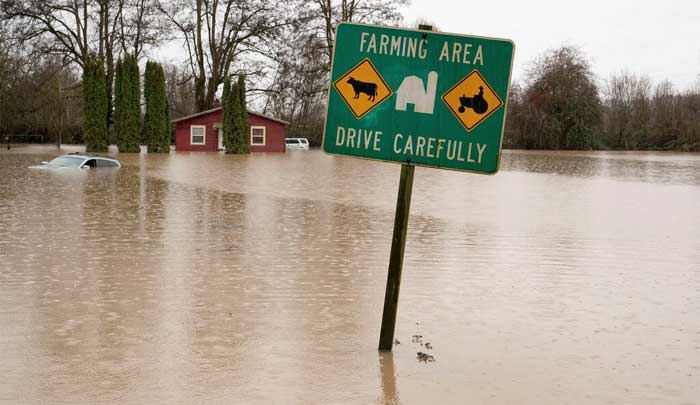
Climate change is no longer a distant environmental threat but an immediate public health crisis, with rising temperatures, extreme weather events and changing disease patterns putting millions of lives at risk.
Against this backdrop, a group of public health researchers and professionals has urged the World Health Organization (WHO) to declare the health impacts of climate change a Public Health Emergency of International Concern (PHEIC).
The call comes amid growing concerns over increasingly severe heatwaves, floods, wildfires and droughts across different parts of the world. Researchers warn that the health consequences are particularly severe for vulnerable populations, including pregnant women, children, older people and individuals living with chronic illnesses.
The experts argue that declaring a PHEIC would help generate political momentum, mobilise international funding and establish coordinated, evidence-based measures to address the growing health risks associated with climate change.
Extreme weather events are putting lives at risk
The Northern Hemisphere has experienced another summer of record-breaking temperatures and extreme weather events, while countries in the Southern Hemisphere are preparing for increased risks of heatwaves, flooding, wildfires and droughts.
Researchers point to the growing intensity of these events, driven by decades of global warming and potentially intensified by El Niño, the warm phase of the El Niño-Southern Oscillation (ENSO).
Recent cyclones and floods in Nepal have displaced entire communities, while wildfires in Spain have reportedly left more than 250,000 people without their homes and possessions.
Heat-related deaths have also emerged as a major concern in European cities. According to figures cited by the researchers, more than 50,000 people died from heat during the previous summer, with over 65% of these deaths directly attributable to climate change.
The experts stress that such events demonstrate how climate change is already affecting people’s lives, particularly those with limited resources to protect themselves.
Pregnant women and children among the most vulnerable
The health consequences of climate change extend well beyond heat-related illnesses and injuries.
Researchers studying the effects of extreme heat on pregnant women and children in Africa have identified significant health risks for mothers during pregnancy, adverse birth outcomes and potentially lifelong consequences for unborn children.
Their earlier research also found that healthcare workers responsible for looking after vulnerable communities were themselves negatively affected by climate change.
The researchers said communities are increasingly aware of the environmental risks they face and understand the threats posed by extreme weather. However, many lack the financial resources, infrastructure and healthcare support needed to adapt.
This is particularly concerning in developing countries, where communities often face the greatest climate-related risks despite contributing relatively little to global greenhouse gas emissions.
Climate change could worsen existing health inequalities
According to the researchers, climate change disproportionately affects people who are already vulnerable because of their age, health conditions or economic circumstances.
The consequences can take several forms:
- Food insecurity: Repeated crop failures can reduce food availability, worsen malnutrition and affect children’s development.
- Disrupted healthcare: Floods and extreme weather can damage roads and healthcare facilities, preventing patients from accessing essential medicines and treatment.
- Infectious diseases: Changing temperatures and rainfall patterns can influence the spread of mosquito-borne diseases such as malaria.
- Pregnancy complications: Extreme heat can increase health risks for pregnant women and contribute to adverse birth outcomes.
- Heat-related illnesses: Older people, children and individuals with chronic diseases face greater risks during prolonged heatwaves.
Scientists are also developing new research approaches, including climate impact attribution, to determine how much climate change contributes to specific extreme weather events and associated health outcomes.
Such evidence can help strengthen public understanding of the relationship between climate change and public health.
El Niño raises concerns over additional heat-related deaths
The researchers have also warned about the potential consequences of an intense El Niño season.
A forecast cited in their analysis projects approximately 451,000 additional heat-related deaths between June 2026 and February 2027.
The figure highlights the possible scale of the health threat posed by rising temperatures, particularly in regions with limited healthcare infrastructure and inadequate protection against extreme heat.
El Niño is a naturally occurring climate phenomenon associated with warmer-than-average sea surface temperatures in the central and eastern tropical Pacific Ocean. It can influence weather patterns across the world, contributing to changes in rainfall, temperature and the frequency of extreme weather events.
The researchers argue that the combination of long-term global warming and El Niño-related climate variability makes coordinated public health preparedness increasingly important.
Why are experts calling for a WHO emergency declaration?
The World Health Organization has previously identified climate change as one of the greatest health threats facing humanity in the 21st century.
However, researchers argue that international public health systems have not developed sufficiently coordinated mechanisms to anticipate and respond to its growing health consequences.
They are therefore urging the WHO to consider declaring climate change-related health impacts a Public Health Emergency of International Concern.
Under the International Health Regulations (IHR), a PHEIC is defined as an extraordinary event that poses a public health risk to other countries through the international spread of disease and potentially requires a coordinated international response.
The regulations identify four criteria that help determine whether such an emergency should be declared:
- Is the public health threat serious?
- Is the event unusual or unexpected?
- Is there a significant risk of international spread?
- Is there a risk of international travel or trade restrictions?
The researchers believe that the climate-related health crisis warrants an expert assessment under this framework.
What would a PHEIC declaration achieve?
According to the experts, declaring a Public Health Emergency of International Concern could help establish a more coordinated global response to climate-related health risks.
The proposed measures include:
- Mobilising international funding to support countries most vulnerable to climate-related health impacts.
- Strengthening healthcare systems to prepare for heatwaves, floods and infectious disease outbreaks.
- Expanding surveillance systems to monitor climate-related illnesses and deaths.
- Improving access to healthcare for pregnant women, children, older people and those with chronic conditions.
- Promoting international research and cooperation to identify effective adaptation strategies.
The researchers argue that such a declaration would also help ensure that climate-related health concerns receive greater attention from governments and international institutions.
They said health ministries in several African countries, including Senegal, Namibia and Zimbabwe, have supported the call for stronger international action.
Experts urge countries to act before more lives are lost
The researchers behind the appeal include Nicholas Brink, Director: International at Wits Planetary Health Research, University of the Witwatersrand; Fortunate Machingura, Global Challenges Research Fund Postdoctoral Fellow and Lecturer at the University of Manchester; Matthew Chersich, Professor at the University of the Witwatersrand; and Robb Butler, Visiting Professor in Practice at the London School of Economics and Political Science.
They believe that further delays in addressing the health consequences of climate change could result in preventable deaths and worsening health inequalities.
The experts have called on countries to initiate the International Health Regulations process and allow an expert committee to assess the risks and recommend appropriate action.
Their central argument is that climate change must be treated not only as an environmental and economic challenge but also as an urgent international public health concern.
With extreme weather events becoming increasingly disruptive and vulnerable communities struggling to adapt, they say coordinated global action is essential to protect lives and strengthen healthcare systems.
Comments are closed, but trackbacks and pingbacks are open.