
EU Eyes COP31 Climate Deal To Accelerate CO2 Cuts, Document Shows

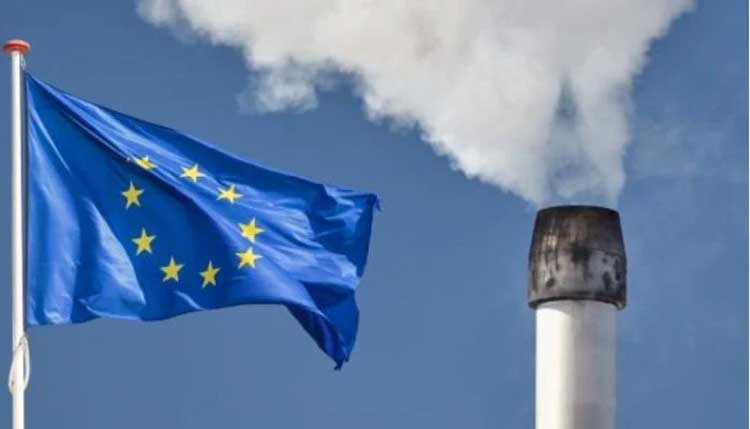
The European Union is preparing to push for a comprehensive climate deal at the upcoming COP31 summit in Turkey, seeking to accelerate global reductions in carbon dioxide (CO2) and other greenhouse gas emissions, according to an internal EU document reviewed by Reuters.
The bloc plans to advocate a “mitigation package” aimed at turning countries’ existing climate commitments into concrete action, as governments face growing pressure to strengthen their responses to global warming.
COP31 is scheduled to take place in Antalya, Turkey, from November 9 to 20, 2026, under the joint leadership of Turkey and Australia. EU environment ministers are discussing the bloc’s negotiating priorities ahead of the summit.
EU Seeks Extension Of UN Emissions Reduction Programme
A key EU demand will be to extend the United Nations’ mitigation work programme until 2040. The initiative provides a forum for governments to discuss ways to cut emissions and identify opportunities for stronger climate action. It is due to expire this year.
The EU also wants countries to respond to a recent UN assessment warning that the world is on course to miss the Paris Agreement’s goal of limiting global warming to 1.5 degrees Celsius above pre-industrial levels.
The bloc intends to focus on implementing commitments already made, rather than relying solely on new pledges that may not translate into measurable emissions reductions.
Transition Away From Fossil Fuels A Key Priority
The EU is expected to place particular emphasis on moving away from fossil fuels and expanding electrification as part of its climate strategy.
Ireland, which holds the EU’s rotating presidency, is helping shape the bloc’s negotiating position. Irish Climate Minister Darragh O’Brien said the EU would seek stronger partnerships to deliver practical progress on global climate action.
“We will look to strengthen our partnerships to deliver practical progress on global climate action, specifically on the transition away from fossil fuels and on electrification,” O’Brien said.
The EU’s approach at COP31 is expected to differ from its strategy at last year’s climate summit, COP30, in Brazil, where the bloc struggled to secure stronger commitments on reducing emissions and limiting fossil fuel use.
According to the draft document, EU diplomats intend to avoid public confrontations over contentious issues and instead work with other countries to implement their existing climate pledges.
The approach comes amid geopolitical tensions and uncertainty over international climate cooperation following the United States’ withdrawal from global climate negotiations. The EU is seeking to build partnerships with other countries to maintain momentum on emissions reduction.
Despite pushing for stronger global emissions cuts, the EU is not planning to make additional climate finance commitments at COP31, according to the internal document.
The draft states there is “no scope” for new funding commitments at the summit. This position could create friction with developing countries, many of which have called for greater financial support to help them cut emissions, adapt to climate change and manage the transition to cleaner energy.
The question of climate finance remains a major challenge in international negotiations, particularly as developing economies seek support to meet their climate targets without compromising economic growth and development.
What To Expect From COP31
The EU’s proposed mitigation package signals an emphasis on implementation, cooperation and practical measures to accelerate emissions reductions. Rather than focusing exclusively on fresh declarations, the bloc wants countries to translate existing promises into tangible results.
However, reaching an agreement could prove difficult as countries differ over the pace of fossil fuel phase-outs, the costs of the energy transition and the financial responsibilities of developed and developing economies.
The negotiations in Antalya will test whether governments can agree on stronger action to curb greenhouse gas emissions while addressing concerns over energy security, economic development and climate finance.
Comments are closed, but trackbacks and pingbacks are open.