
Russia To Hold Tightly Controlled Vote As Ukraine War Enters Fifth Year

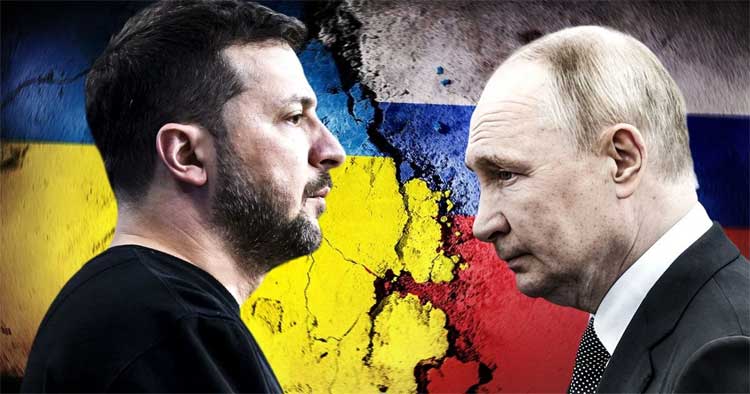
Russia is set to hold tightly controlled parliamentary elections this week, with the Kremlin viewing the vote as a gauge of public sentiment over the war in Ukraine, now entering its fifth year.
The September 18-20 election will be the first parliamentary vote since Russia launched its full-scale invasion of Ukraine in February 2022 and only the second nationwide election since President Vladimir Putin secured another term in the 2024 presidential election.
Voting will also take place in parts of Ukraine occupied by Russian forces.
The war has killed hundreds of thousands of people, devastated parts of eastern Ukraine and triggered unprecedented Western sanctions against Moscow. At home, Russia has imposed sweeping restrictions on criticism of the war, leaving no genuine opposition forces on the ballot.
Putin’s ruling United Russia party is widely expected to retain a majority in the 450-member State Duma.
A European diplomat described the election to AFP as “quite a sham” but said it remained a “ritual the Kremlin considers essential”, with authorities expected to push for high voter turnout.
Despite the predetermined nature of the result, the vote remains politically significant, said exiled Russian political scientist Nikolai Petrov, who argued that elections serve to demonstrate citizens’ loyalty to the leadership.
Only Pro-Putin Parties On National Ballot
For Putin, who has been in power for 26 years, the election is an opportunity to demonstrate to Russia’s political and economic elites that he continues to enjoy popular support, Petrov said.
Half of the 450 Duma seats will be allocated through a nationwide party-list vote, while the remaining seats will be decided in single-member constituencies.
The parties permitted to contest the national ballot are United Russia, the Communist Party, A Just Russia, the nationalist LDPR and New People — all of which support Putin and his war policies.
Yabloko, Russia’s only remaining anti-war party operating inside the country, was barred from participating.
“It’s a choice without a choice,” 18-year-old Yevdokia told AFP in Moscow. She had intended to vote for Yabloko because of its opposition to the war but said she would instead vote for New People.
Authorities have used the war to intensify a crackdown on dissent, with repression reaching levels not seen since the Soviet era. Putin’s leading opponents are in prison, exile or dead, including opposition leader Alexei Navalny, who died in a Russian prison in 2024.
Parliamentary elections have historically been a source of political tension in Russia. In 2011, allegations of widespread electoral fraud and Putin’s return to the Kremlin after serving as prime minister sparked the country’s largest protests since the collapse of the Soviet Union.
In Moscow, however, there are few visible signs of an election campaign this year. Campaign posters are scarce, apart from generic government messages urging people to vote under the slogan, “Your voice is Russia’s strength.”
Mobilisation Fears Loom Over Vote
The election will also provide a measure of public sentiment over a war that has increasingly affected Russians far from the battlefield.
Ukraine has stepped up long-range strikes inside Russia in recent months, describing them as retaliation for Moscow’s attacks. The strikes have contributed to fuel shortages, caused billions of rubles in damage and killed civilians.
Persistent speculation that Putin could order another mobilisation after the election has also unsettled the public. The Kremlin has repeatedly denied plans for a new call-up, similar to the unpopular 2022 mobilisation of 300,000 reservists.
Ukrainian officials, Kremlin critics and some Western governments have nevertheless accused Putin of preparing for another mobilisation.
Russian political analyst Tatiana Stanovaya of the Carnegie Russia Eurasia Centre, which Moscow has banned, said she considered a new call-up unlikely.
She argued that Russian authorities had invested significant effort in reassuring the public that mobilisation was not imminent and said she would be “very, very surprised” if it happened.
Instead, Putin’s expected electoral victory would provide what Stanovaya described as “confirmation of his legitimacy” — and, ultimately, “legitimacy of his war”.
Comments are closed, but trackbacks and pingbacks are open.