
Climate Change Could Increase Risk of New Diseases Spreading From Animals to Humans: Expert

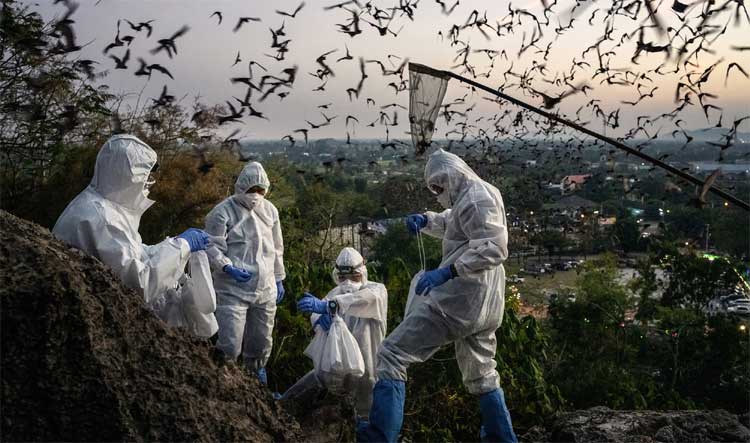
Climate change could increase interactions between humans and wildlife, potentially raising the risk of zoonotic diseases and creating new threats to global public health, according to Prof Dr Rozita Hod, a lecturer with Universiti Kebangsaan Malaysia’s Public Health and Medicine Department.
She said changes to habitats and ecosystems could bring wildlife and humans into closer contact, increasing opportunities for diseases to cross from animals to people.
Referring to COVID-19 as an example, Rozita said the pandemic highlighted the complex links between animals, humans and the environment.
“There are actually studies that show links between climate change and COVID-19,” she said, adding that changes in forest habitats could potentially bring pathogens closer to human populations.
She warned that scientists are increasingly concerned about the emergence of diseases that are currently unknown.
“Many scientists predict that the world as it is now is like a time bomb. There could be various new diseases like COVID-19 that we don’t know about,” she told reporters after delivering a lecture titled “Climate Change and its Effect on Human Health: The Spread of Infectious and Non-Communicable Diseases” at Canselor Tuanku Muhriz Hospital.
The World Health Organisation has also warned that climate change can influence infectious disease patterns by altering the distribution of animal habitats as well as pathogens and disease-carrying vectors.
The WHO has previously said there is evidence that SARS-CoV-2 may have entered the human population through zoonotic transmission, either directly from bats or through an intermediary host. However, the precise origin of the virus remains unidentified.
‘One Health’ approach crucial
Rozita said the One Health approach is important for addressing such threats because it brings together expertise in human, animal and environmental health.
She noted that the approach has long been promoted by experts and is also being implemented through Malaysia’s Health Ministry, which works with the Veterinary Services Department and shares information on diseases such as rabies.
She also urged people to vaccinate their pets as a preventive measure to reduce the risk of diseases that can be transmitted from animals to humans.
The Malaysia One Health University Network (MyOHUN) has been leading efforts to strengthen expertise in the field. Established in 2012 as part of the Southeast Asia One Health University Network, it now brings together more than 17 universities, including Universiti Kebangsaan Malaysia, along with four government agencies.
The network focuses on training, research and capacity building related to infectious and zoonotic diseases.
At the policy level, the Health Ministry has been advocating since 2024 for the establishment of a National One Health Committee to strengthen coordination and joint action across sectors.
Comments are closed.