
Asia’s 7 Trending Destinations for 2026: From Bali and Tokyo to Kerala and Palawan

Asia’s tourism landscape is undergoing a major shift in 2026. After years of prioritising visitor numbers, tourism boards and local authorities are increasingly focusing on managing crowds, protecting fragile ecosystems and attracting travellers who stay longer rather than simply moving from one landmark to another.
Overtourism has prompted destinations from Bali to the Philippines to introduce visitor limits, while cities such as Tokyo are encouraging tourists to explore neighbourhoods beyond their busiest attractions. At the same time, remote work has made longer stays easier, allowing travellers to spend weeks or even months in a single neighbourhood, coastal town or mountain destination.
Improved transport networks are supporting the trend. Expanded rail systems in cities such as Tokyo and Bangkok are making previously overlooked neighbourhoods easier to reach, while inexpensive regional flights allow travellers to use one city as a base for exploring surrounding areas.
Environmental regulations have also tightened. Some destinations now require pollution compliance certificates for tour boats, while fragile natural attractions have introduced daily visitor caps. Together, these developments are reshaping the way travellers experience Asia in 2026.
Travel guide Rough Guides based its 2026 rankings on more than 30,000 custom trip requests submitted through its network of local guides. The data was supplemented by feedback from guides living in the destinations. The resulting global list features 26 destinations, including seven from Asia.
Here are the Asian destinations that made the cut.
1. Bali, Indonesia
Bali ranks No. 1 in Asia and No. 3 globally on Rough Guides’ 2026 list. While Kuta and Seminyak have long dominated the island’s tourism image, the guide points to a growing interest in art, design, wellness and more environmentally conscious travel.
Nuanu Creative City in Tabanan is an example of that changing travel culture. Spread across 44 hectares, the development combines art installations, wellness facilities and educational programmes, offering an alternative to the traditional resort experience. Guests at Oshom Bali, the boutique hotel within Nuanu, can also access Pantai Nyanyi beach, while Tanah Lot Temple is around a 15-minute drive away.
The search for quieter experiences is also pushing travellers towards western Bali. West Bali National Park is home to sambar deer, wild boars and the endangered Bali starling, a bird native to the island. Menjangan Island, located within the park, is known for its diving and relatively untouched coastline.
The park requires visitors to pay a conservation fee and activities must be accompanied by guides. The dry season from May to September is generally considered the best time to visit.
2. Tokyo, Japan
Tokyo ranks No. 4 globally, one place ahead of Bangkok. Rough Guides highlights the city’s extensive transport network and the growing popularity of neighbourhood-focused travel.
Rather than concentrating entirely on Shinjuku and Shibuya, visitors are increasingly exploring areas such as Koenji and Shimokitazawa, known for vintage stores, independent music venues and local culture. Tokyo’s tourism authorities have also been encouraging visitors to spread out beyond the city’s most crowded attractions.
The city offers enormous scope for repeat visitors. Tokyo has more than 160,000 restaurants, while the Michelin Guide’s 2026 edition lists around 160 starred restaurants across the metropolitan area.
Improved rail links have also made neighbourhoods outside the traditional tourist core more practical for longer stays. While Japan is expected to see a slight decline in international arrivals in 2026, driven largely by fewer visitors from China, the shift towards exploring less crowded areas is continuing.
3. Hanoi, Vietnam
Hanoi occupies the No. 9 position on Rough Guides’ global list. The Vietnamese capital is increasingly being used as a base for longer journeys through northern Vietnam rather than simply as a short stopover.
From Hanoi, travellers can explore Ninh Binh, the Sapa highlands and the Ha Giang Loop, a roughly 300-kilometre route through valleys and mountainous terrain. The guide recommends allowing several days for the Ha Giang journey.
Sapa is another major attraction, with travellers able to reach the highlands by overnight train to Lao Cai before continuing into the surrounding mountains. The area is known for terraced rice fields and villages associated with Hmong, Dao and Tay communities.
The cable car from Sapa to Fansipan, Vietnam’s highest mountain at 3,143 metres, offers another popular experience. Back in Hanoi, attractions including the Temple of Literature and Hoan Kiem Lake provide enough to keep visitors occupied for several relaxed days.
Vietnam’s expanded eVisa system, which allows citizens of many countries to obtain permits for stays of up to 90 days, has further encouraged longer itineraries across the country.
4. Bangkok, Thailand
Bangkok ranks No. 10 globally, just behind Hanoi. Rough Guides credits the city’s expanding rail network and neighbourhood culture for helping attract travellers beyond its traditional tourist zones.
The BTS Skytrain and MRT subway networks have made it easier to reach areas that were once less accessible to visitors. Ari, known for its cafes, independent boutiques and relaxed atmosphere, has become a popular choice for travellers looking for an alternative to the more tourist-heavy areas of central Bangkok.
Affordability remains another major attraction. Street food and local markets continue to offer inexpensive dining options, while Chatuchak Weekend Market remains one of the city’s biggest shopping and cultural attractions.
Improved MRT connectivity has also linked areas such as Chinatown and Bangkok’s historic temples more efficiently with commercial districts. Major festivals, including Songkran and Loy Krathong, continue to draw international visitors throughout the year.
5. Kerala, India
Kerala ranks No. 16 on the Rough Guides’ 2026 list and stands out for its emphasis on slower travel. The state’s backwaters remain its signature attraction, particularly around Alappuzha, where traditional kettuvallams have been converted into floating accommodation.
Nearby Kumarakom offers a quieter experience around Vembanad Lake and is particularly popular with birdwatchers.
But Kerala’s backwater tourism is also facing greater environmental scrutiny. A Kerala High Court ruling requires houseboats operating on Vembanad Lake to obtain pollution compliance certificates, reflecting growing concern over untreated waste and the impact of tourism on the ecosystem.
As travellers seek alternatives to the busiest southern circuit, destinations such as Kozhikode, Kannur and Wayanad are attracting greater interest. Northern Kerala offers beaches, forests, historic sites and distinctive Malabar cuisine while generally seeing fewer tourists.
Further south, Munnar’s tea-covered hills remain popular with hikers and honeymooners, while Kochi provides a cultural base with its historic architecture and contemporary art scene.
6. Chiang Mai, Thailand
Chiang Mai ranks No. 25 on the global list and fits particularly well with the growing trend towards long-term travel. The city has developed a strong digital-nomad ecosystem, with co-working spaces, cafes and long-stay accommodation making it easier for visitors to spend weeks or months there.
The Old City appeals to travellers interested in temples and history, while Nimmanhaemin has become a major hub for cafes, co-working spaces and contemporary urban culture.
Living costs remain relatively low, although rising prices and seasonal air pollution have encouraged some long-stay travellers to consider alternatives such as Chiang Rai.
Despite those challenges, Chiang Mai’s established infrastructure and large community of remote workers continue to make it a popular long-stay destination. Doi Suthep, surrounding waterfalls and hot springs provide easy weekend escapes, while Songkran transforms the Old City into the centre of Thailand’s annual water festival each April.
7. Palawan, Philippines
Palawan rounds out Rough Guides’ list at No. 26. Unlike many destinations on the list, its appeal is increasingly defined by restrictions designed to protect its natural environment.
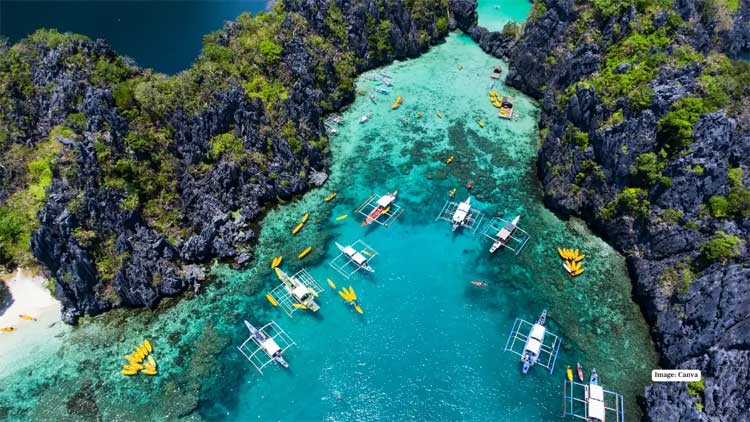
El Nido’s lagoons and beaches now operate under carrying-capacity rules that limit the number of visitors and boats allowed into popular sites such as Big Lagoon, Small Lagoon and Secret Beach. Visitors also pay environmental fees that support tourism management and conservation.
The restrictions reflect growing pressure on northern Palawan’s marine ecosystem. The region lies within the Coral Triangle, one of the world’s most biologically diverse marine areas, and faces threats from warming waters, plastic pollution and the cumulative impact of tourism.
Travel access is changing as well. Since March 2026, flights from Manila to El Nido’s Lio Airport have been operating from Clark International Airport, adding an extra transfer for some travellers while helping ease pressure on Manila’s aviation infrastructure.
Further south, the Puerto Princesa Underground River operates under its own advance permit and daily visitor limits.
The bigger shift in Asian tourism
Taken together, these seven destinations point to a broader change in how travellers are experiencing Asia. The focus is moving away from ticking off famous landmarks and towards longer stays, neighbourhood exploration, nature and less crowded destinations.
Better transport is making those alternatives easier to reach, while stricter environmental rules are forcing popular destinations to balance tourism growth with conservation.
For travellers in 2026, the most interesting parts of Asia may increasingly be found beyond the places that dominated guidebooks for decades.
Comments are closed.