
UN Report Warns of Deepening Ocean Crisis Amid Climate Change and Pollution

A new United Nations report has sounded the alarm over the worsening state of the world’s oceans, warning that climate change, pollution and unsustainable exploitation of marine resources are pushing ocean ecosystems toward a critical tipping point.
The report highlights a series of interconnected threats, including rising sea temperatures, ocean acidification, plastic pollution, overfishing and the degradation of coastal habitats. Together, these pressures are undermining marine biodiversity, threatening food security and increasing risks for millions of people who depend on the oceans for their livelihoods.
According to the report, global ocean temperatures have reached record highs in recent years, triggering widespread coral bleaching events and disrupting marine ecosystems. Scientists warn that warming waters are forcing many fish species to migrate, affecting fisheries and coastal communities around the world.
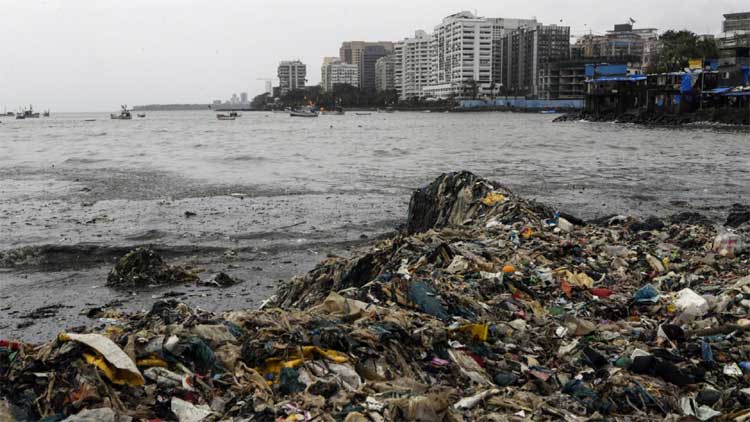
The UN also expressed concern over the growing problem of marine pollution. Millions of tonnes of plastic waste continue to enter the oceans every year, harming marine life and contaminating food chains. Microplastics have now been detected in some of the most remote parts of the world’s oceans, raising concerns about their long-term impact on ecosystems and human health.
Another major challenge identified in the report is ocean acidification, caused by the absorption of excess carbon dioxide from the atmosphere. More acidic waters make it difficult for corals, shellfish and other marine organisms to build and maintain their skeletons and shells, threatening entire ecosystems.
The report notes that overfishing remains a significant concern despite international efforts to improve fisheries management. Many fish stocks are being harvested faster than they can recover, placing additional strain on marine environments already struggling with climate-related impacts.
UN officials called for urgent global action to protect and restore ocean health. Recommendations include reducing greenhouse gas emissions, strengthening marine protected areas, improving waste management systems, curbing plastic pollution and promoting sustainable fishing practices.
“The ocean is one of humanity’s greatest allies in the fight against climate change, but its capacity to support life is being pushed to the limit,” the report said, urging governments, businesses and communities to accelerate conservation efforts.
Experts warn that failure to act could have far-reaching consequences, including greater coastal erosion, more frequent extreme weather impacts, declining fish populations and irreversible damage to marine ecosystems. However, they stress that timely and coordinated action can still help reverse many of the current trends and secure a healthier future for the world’s oceans.
The report’s findings come as countries prepare for a series of international climate and biodiversity meetings, where ocean protection is expected to feature prominently on the global agenda.
Comments are closed.