
From viral meme to protest call: How Cockroach Janta Party became the face of youth anger over exam controversies

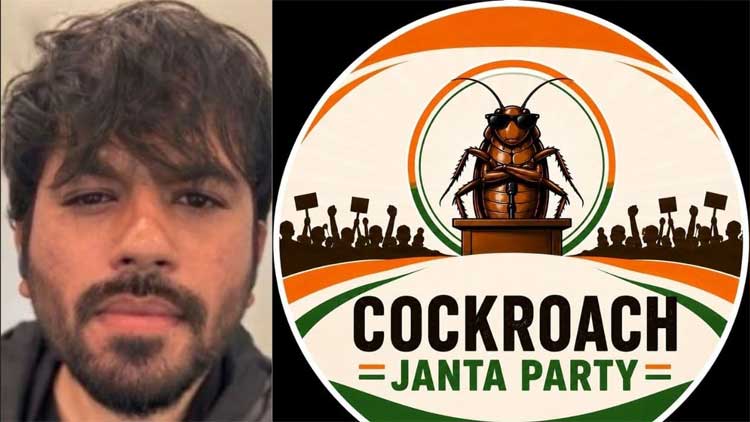
What began as a satirical social media post by an Indian student in the United States has rapidly evolved into a nationwide youth movement centred on examination controversies, unemployment and demands for accountability from the government.
In mid-May, 30-year-old Abhijeet Dipke posted a simple question on X: “What if all cockroaches came together?” Inspired by remarks made by Chief Justice of India Surya Kant, Dipke launched the Cockroach Janta Party (CJP), a meme-driven online movement that has since amassed millions of followers across social media platforms.
On Monday, June 1, Dipke announced that he would return to India on June 6 to lead a peaceful protest at Delhi’s Jantar Mantar, demanding the resignation of Union Education Minister Dharmendra Pradhan over a series of examination-related controversies that have triggered widespread student outrage.
The move aims to transform what has largely been an online campaign into a physical mass movement. Dipke has called on supporters to gather at Delhi airport before proceeding to seek official permission for a demonstration in the national capital.
The campaign comes amid growing anger among students over disruptions in several major examinations. The cancellation of the NEET-UG medical entrance examination following an alleged paper leak, technical glitches affecting CUET-UG, chaos during the SSC-GD Constable examination, and issues surrounding CBSE Class 12 evaluation and results have collectively fuelled concerns about the integrity of India’s examination system.
Several student groups staged protests outside the Education Ministry in New Delhi on Monday, with participants accusing authorities of jeopardising their futures.
The movement has also drawn attention through the stories of several students whose allegations regarding examination irregularities gained traction online. Their claims, coupled with concerns over youth unemployment and opportunities, have helped broaden the campaign’s appeal beyond a single issue.
Dipke, originally from Maharashtra and currently studying in the United States, has positioned CJP as a youth-led platform seeking accountability and systemic reforms. He claims that hundreds of thousands have signed an online petition demanding action against the education minister and that protests have already been held in multiple cities.
The movement derives its name from a controversial remark by Chief Justice Surya Kant, who compared certain unemployed youth to “cockroaches” and “parasites” while discussing fake degree holders. Dipke adopted the term as a symbol of collective action, reframing it into a rallying point for disaffected young people.
As the campaign gained momentum, it attracted support from opposition leaders and student groups, while drawing criticism from members of the ruling BJP. The movement has also faced legal and administrative hurdles, including the blocking of its X account, a matter currently under judicial review.
Political observers note that the campaign reflects broader frustrations among young Indians over employment opportunities, rising living costs and the functioning of key public institutions. Opposition leaders, including Rahul Gandhi, have repeatedly raised concerns about examination management and youth unemployment, while government representatives have defended their response and promised corrective measures.
Education Minister Dharmendra Pradhan has said he accepts responsibility for disruptions in the examination system and has assured students that reforms are underway to prevent future lapses.
Whether the June 6 protest marks the beginning of a sustained movement or remains a symbolic expression of online activism will become clearer in the coming days. For now, a satirical “cockroach” meme has become an unexpected focal point for a wider debate over education, employment and accountability in India.
Comments are closed.