
How climate change is fuelling giant megatsunami waves in Alaska

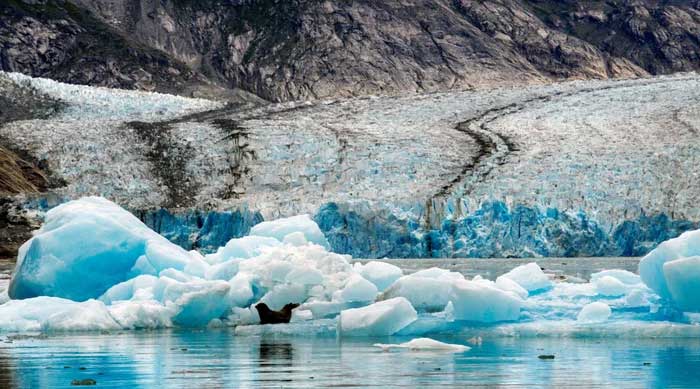
Extreme climate change and rapidly melting glaciers have once again highlighted the growing threat of natural disasters after a massive landslide in Tracy Arm Fjord triggered what scientists describe as one of the tallest megatsunamis ever recorded.
The gigantic wave, generated in the remote Alaskan fjord, is believed to have reached nearly 500 metres in height, making it the second-largest tsunami wave ever documented.
Scientists say the disaster unfolded when a huge section of a mountainside collapsed into the narrow fjord, displacing an enormous volume of water in seconds. Researchers estimated the amount of rock and debris involved was equivalent to roughly 24 Great Pyramids collapsing into the sea at once.
Despite the scale of the event, the tsunami initially received little public attention because it occurred in a remote region with limited population.
Tourists narrowly avoided catastrophe.
According to scientists studying the incident, the landslide occurred early in the morning before large tourist vessels had entered the fjord. Researchers later described the incident as a “close call,” saying some people had been dangerously near the impact zone shortly before the collapse.
Unlike conventional tsunamis triggered by earthquakes in the open ocean, megatsunamis are caused by massive landslides or avalanches plunging into confined bodies of water such as fjords or lakes. Though shorter-lived, these waves can be extraordinarily destructive because of their sheer height and force.
Scientists increasingly believe climate change is making such disasters more common.
As glaciers melt and retreat, they remove the ice that once stabilised steep mountain slopes. Without that support, cliffs become weaker and more vulnerable to sudden collapse.
Stephen Hicks said melting ice is destabilising mountain landscapes in polar regions, increasing the likelihood of landslides and related megatsunamis.
When researchers visited the site after the event, they found widespread evidence of the wave’s immense power. Entire sections of vegetation had been stripped from mountainsides, exposing bare rock. Trees had been uprooted and hurled into the water by the force of the tsunami.
Some scientists now fear that these types of climate-linked landslide events may be occurring up to ten times more frequently than in the past.
The incident has renewed calls for stronger monitoring systems in glacier regions and popular tourist destinations vulnerable to landslides.
As climate tourism grows and more visitors travel to witness rapidly changing polar landscapes, safety concerns are mounting. Some tour operators have already begun suspending trips to Tracy Arm Fjord amid fears of further instability in the region.
Comments are closed.