
Donald Trump’s “get smart” warning draws Iran’s ‘heart attack’ weapon threat

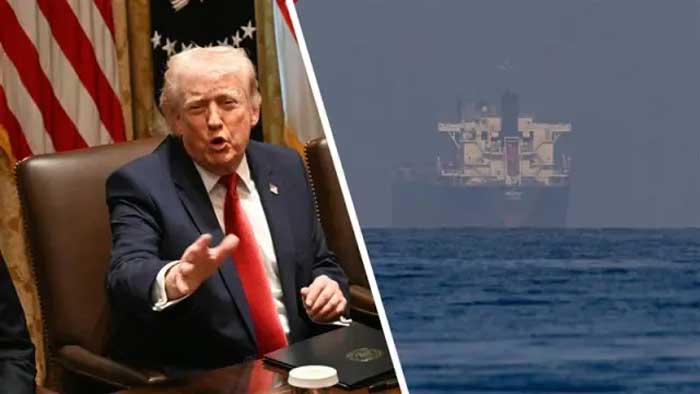
Iran has issued a fresh warning about deploying a new, unspecified weapon as its conflict with the US drags on, with diplomacy showing little progress. Navy commander Shahram Irani said Tehran would “very soon” unveil a capability positioned “right next to” its adversaries, adding pointedly, “I hope they won’t have a heart attack.”
Deadlock over Hormuz and nuclear talks
Tensions remain centred on the Strait of Hormuz, a critical chokepoint for global oil supply. Iran has imposed restrictions on the waterway, allowing only approved vessels while blocking those linked to its rivals.
Tehran has offered to reopen the strait if the US lifts its naval blockade and delays nuclear negotiations. However, Donald Trump rejected the proposal, insisting that curbs on Iran’s nuclear programme must come first—effectively stalling talks.
Claims of retaliation
Amid the impasse, Iran has projected military strength. Irani claimed that more than 100 waves of retaliatory strikes have been carried out against US and Israeli-linked targets since late February, including alleged missile operations targeting the USS Abraham Lincoln. These claims remain unverified but signal Tehran’s attempt to project deterrence.
Rising maritime tensions
The naval front has emerged as a key flashpoint. Iran has tightened its grip over Hormuz, while accusing US forces of expanding deployments and seizing Iranian vessels—allegations it described as “piracy.” Despite this, some Iranian shipping activity continues, suggesting the blockade is not absolute.
Warning of escalation
Irani’s remarks about a new weapon—though lacking detail—appear designed to heighten uncertainty and deter further escalation. The reference to a system located “near” adversaries hints at advanced or already-deployed capabilities, possibly in naval or missile domains.
Global implications
The standoff is already rippling through global markets, with oil prices rising sharply amid fears of supply disruption. With neither Washington nor Tehran showing willingness to compromise, the risk of a prolonged and wider regional conflict continues to grow.
Comments are closed.