
Climate Change Threatens the Future of the Winter Olympics, Scientists Warn

Watching the Winter Olympics is an adrenaline rush, as athletes race down snow-covered slopes, glide across ice, and navigate high-speed tracks with remarkable precision and grace. From alpine skiing to figure skating, the Games celebrate human endurance in some of the world’s coldest environments.
When the first Winter Olympics were held in Chamonix, France, in 1924, all 16 events took place outdoors. Athletes depended entirely on natural snowfall and freezing temperatures. Nearly a century later, however, the picture has changed dramatically.
At the 2022 Beijing Winter Games, skiers competed on runs made entirely of artificial snow. Luge tracks and ski jumps were refrigerated, and several events were held inside climate-controlled arenas. Innovation made those Games possible, but it also highlighted a growing concern: winter sports are becoming increasingly dependent on technology as global temperatures rise.
Warming Winters, Shrinking Options
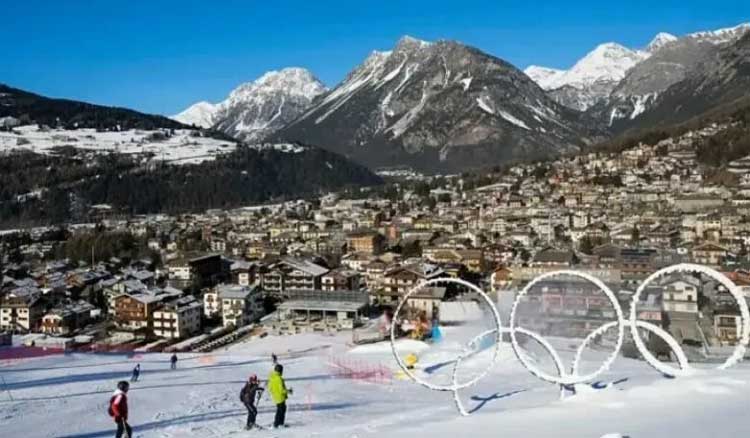
Ahead of the 2026 Winter Olympics in northern Italy, organisers built large lakes near venues to supply water for snowmaking after snowfall remained below average. While artificial snow can help in the short term, experts warn that it has limits in a warming climate.
Studies show that the average daytime temperature of Winter Olympics host cities in February has risen steadily—from about 0.4°C in the early 20th century to nearly 8°C in recent decades.
A recent scientific analysis of 19 former host cities found that by mid-century, places such as Chamonix, Sochi, Grenoble and Garmisch-Partenkirchen may no longer have reliable winter conditions, even under optimistic climate scenarios. If emissions continue at current levels, more cities—including Squaw Valley and Vancouver—could also become unsuitable.
By the 2080s, researchers estimate that over half of past Winter Olympics venues may be too warm to reliably host outdoor events.
Snowmaking Under Pressure
Modern snowmaking requires specific conditions: low temperatures and dry air, with a dew point of around –2°C or lower. Rising humidity and warmer winters make these conditions harder to achieve, affecting ski slopes and ice tracks alike.
With the Winter Olympics and Paralympics now spread over nearly five weeks, host nations face increasing challenges in maintaining snow and ice throughout the season.
Around the world, snow cover is declining, and winter rain is becoming more common, especially at lower elevations. In the 2025–26 season, for instance, many ski resorts in Colorado struggled due to low snowfall and higher temperatures.
While conditions vary by region, the long-term trend points toward shorter and less reliable winters.
Sports Most at Risk
Of the 16 Winter Games sports, eight depend heavily on natural snow, including alpine skiing, biathlon, cross-country skiing and snowboarding. Three others—bobsled, luge and skeleton—are sensitive to both temperature and humidity.
As these conditions become harder to maintain, organisers may be forced to rethink where and how these sports are held.
Technology to the Rescue—For Now
Technology has helped the Winter Olympics adapt over time. Ice hockey and skating moved indoors, refrigerated tracks were introduced in the 1960s, and large-scale snowmaking began in the 1980s.
Today, indoor ski facilities like Ski Dubai allow skiing year-round in desert climates. Resorts also use “snowfarming,” storing snow from one season for the next.
However, these solutions come at a cost. Snowmaking and refrigeration require large amounts of water and energy—both of which are becoming scarcer. If powered by fossil fuels, these technologies also contribute to climate change, creating a vicious cycle.
Fewer Places to Host?
The International Olympic Committee has acknowledged that climate change poses a serious threat to both Winter and Summer Games. In response, it has emphasised sustainable planning and long-term environmental responsibility.
In the future, Winter Olympics may be limited to colder, northern regions such as Canada or Scandinavia, or pushed to higher-altitude locations where snow is more reliable.
Summer Games Feel the Heat Too
Climate pressures are not limited to winter sports. The Summer Olympics also face rising temperatures and humidity, which affect athlete performance and safety. Some events may increasingly be shifted to cooler seasons, as seen with the 2022 football World Cup in Qatar, held in November.
However, winter sports have less flexibility because snow and ice are essential for competition.
A Future Shaped by Climate Action
For decades, the Olympics have brought the world together through stories of excellence and perseverance—from Jean-Claude Killy’s dominance in 1968 to the inspirational Jamaican bobsled team in 1988.
But the future of the Winter Games remains uncertain. Without meaningful action to curb global warming, outdoor winter sports may look very different—or become increasingly rare—by the end of this century.
How much they change will depend largely on how governments, industries and societies respond to climate change today. The survival of the Winter Olympics may ultimately rest not just on technology, but on global commitment to protecting the planet.
Comments are closed.