
Budget 2026: What It Must Deliver for Indian Travellers and the Tourism Sector

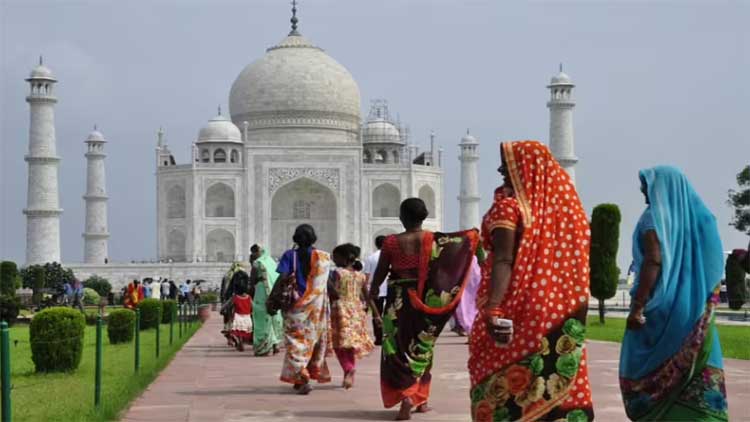
As the Union Budget 2026–27 is set to be presented in the Lok Sabha on February 1, 2026, India’s travel and tourism industry is looking toward major policy support to drive its next phase of growth. With rising demand for connectivity, infrastructure, and affordable travel, the sector is seeking transformative measures rather than incremental changes.
UDAN and Regional Connectivity in Focus
A key priority for the industry remains the UDAN (Ude Desh ka Aam Nagrik) scheme, which aims to make air travel accessible to smaller towns and cities. Since its launch, UDAN has enabled more than 651 operational routes, bringing aviation services to under-served regions.
Building on last year’s policy framework, the government plans to connect up to 120 new destinations by 2036, potentially adding around 40 million passengers. Stakeholders expect Budget 2026 to strengthen this vision through higher incentives, infrastructure spending, and targeted policies for remote, hilly, and northeastern regions.
Expanding International and Religious Tourism
India’s aviation sector is also witnessing rapid international expansion. A notable development is the launch of direct Kushinagar–Bangkok flights from February 2026, boosting religious tourism and global connectivity.
With rising passenger numbers, Indian airlines are scaling up aggressively. Industry projections suggest that by 2036, Indian carriers could operate over 2,250 commercial aircraft, positioning India as one of the world’s largest aviation markets.
Airports and Infrastructure as Growth Drivers
Investment in airport infrastructure remains central to travel growth. Several states have upgraded facilities and expanded networks, with Uttar Pradesh recently receiving recognition for its proactive approach to airport development.
State-led initiatives, such as Himachal Pradesh’s annual ₹31 crore support for regional operations, are setting benchmarks for sustaining regional routes. These models could influence future national-level tourism funding, including support for heliports, water aerodromes, and emerging destination hubs.
Integrated Transport: Rail and Road Connectivity
Beyond aviation, Budget 2026 is expected to strengthen multimodal transport links. Rail initiatives such as Vande Bharat and Bharat Gaurav trains are enhancing tourism circuits, especially for cultural and religious travel. Faster trains and packaged journeys are making multi-destination travel more convenient.
Road projects under Bharatmala and PM GatiShakti are also transforming connectivity, reducing travel times and opening up new tourism corridors. These integrated systems are helping create weekend destinations, adventure tourism hubs, and better access to remote regions.
Economic Impact and Industry Expectations
Industry estimates suggest that travel and tourism could contribute ₹42 lakh crore to India’s economy by 2035 and generate over 6.4 crore jobs. To achieve this, stakeholders are urging reforms in:
-
Infrastructure investment
-
GST and tax rationalisation
-
Skill development
-
Digital and physical connectivity
-
Targeted incentives for tourism businesses
These measures are seen as essential for enhancing India’s global competitiveness and attracting more international visitors.
What Budget 2026 Must Deliver
The travel sector expects Budget 2026 to focus on:
-
Expanded funding for UDAN and regional routes
-
Tax reforms to lower travel costs
-
Increased investment in airports, railways, and roads
-
Support for digital and tourism infrastructure
-
Incentives for tier-II and tier-III destinations
If these priorities are addressed, travellers could benefit from faster, cheaper, and more seamless connectivity. Tourism businesses may see higher demand, while smaller cities and regions could experience accelerated economic growth.
With strong policy backing, Budget 2026 has the potential to become a turning point for India’s travel and tourism industry, laying the foundation for sustained growth across air, rail, road, and destination networks.
Comments are closed.