
Saina Nehwal’s trailblazing journey that reshaped Indian badminton: From karate mats to Olympic glory

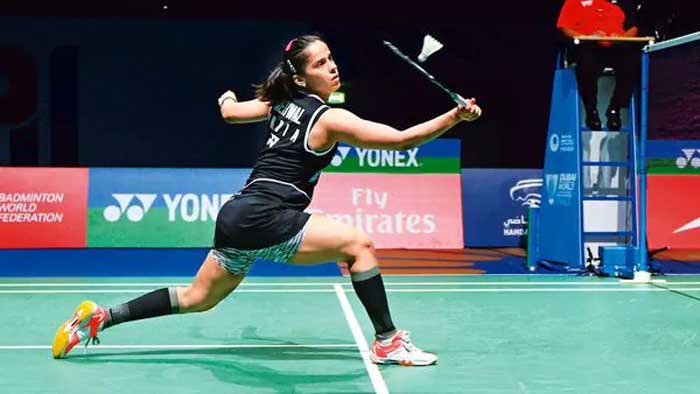
After a long and painful battle with a chronic knee condition that ruled out any realistic chance of another comeback, Saina Nehwal finally accepted the inevitable and brought the curtains down on her illustrious career.
Steering clear of the usual social media announcement, the 35-year-old revealed her decision on a podcast, explaining that severe degeneration in her knee had made sustained high-intensity training impossible. Her final competitive outing came at the Singapore Open in 2023.
But Saina Nehwal’s legacy is far greater than the manner in which her career ended. Over 21 years, she did much more than win titles. She reshaped Indian badminton, shattered entrenched barriers, delivered historic medals, and inspired generations of young athletes—especially girls—to dream beyond convention.
From a karate mat to the badminton court
Saina’s journey against the odds began even before she picked up a racquet. Born in Haryana, where girl-child discrimination was deeply entrenched, she faced resistance within her own family. Her grandmother reportedly refused to see her for a month after her birth to Usha Rani and Harvir Singh Nehwal. Decades later, Saina would come to symbolise change itself, eventually serving as a brand ambassador for India’s Beti Bachao campaign.
Sport, however, ran in her blood. Her mother was a state-level badminton player for Haryana and introduced Saina to the game by taking her to a local club. Yet, badminton was not her first discipline. Owing to the lack of proper coaching facilities in Haryana, her father enrolled her in karate, where she excelled and earned a brown belt. A family transfer to Hyderabad—then emerging as a hub of elite badminton following Pullela Gopichand’s All England triumph in 2001—changed everything.
Determined to fulfil her mother’s unfulfilled dream, Saina switched to badminton and joined Gopichand’s academy. Financial constraints weighed heavily on the family, particularly with her sister pursuing pharmacy studies. Relief came only when Saina’s growing success at national tournaments attracted sponsorship, offering the first signs of a sustainable sporting career.
The rise of a trailblazer
Saina’s ascent gathered pace in 2010 when she defended her Indonesia Open title to win her third Super Series crown and rise to a career-best world No. 2 ranking. Though she slipped down the rankings after missing tournaments to prioritise the Commonwealth Games in Delhi, the gamble paid off as she clinched gold as the top seed.
Her defining moment arrived at the London 2012 Olympics, where she became India’s first Olympic medallist in badminton, winning bronze. It was a significant leap from her Beijing 2008 campaign, which had ended in the quarterfinals.
Momentum carried into the following years. Saina reclaimed the world No. 2 ranking in 2013, but 2015 marked her crowning achievement. After reaching the All England final and winning her maiden India Open title, she became the first Indian woman to be ranked world No. 1. Later that year, she added another first by winning silver at the World Championships, India’s first medal at the event.
Fighting through pain, finishing with pride
A serious knee injury at the Rio 2016 Olympics threatened to derail her career, but Saina once again displayed her trademark resilience. She returned to win World Championships bronze in 2017 and reclaimed Commonwealth Games gold in 2018. Persistent knee problems, however, continued to hamper her consistency, eventually forcing her away from the sport she had transformed.
Saina Nehwal retires with 24 international titles, including 10 Super Series crowns. Her impact was recognised with the Padma Bhushan (2016), in addition to the Major Dhyan Chand Khel Ratna and the Arjuna Award—honours befitting a pioneer who forever changed the trajectory of Indian badminton.
Her racquet may now be hung up, but Saina Nehwal’s influence on Indian sport will endure for generations.
Comments are closed.