
Turkey to Host Next UN Climate Summit: What It Hopes to Achieve on the Global Stage

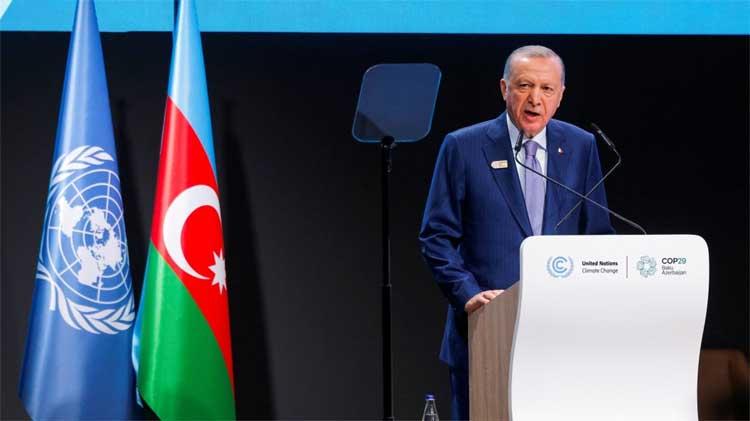
In an unprecedented move, the next major United Nations climate summit, Cop31, will be hosted by Turkey but chaired by Australia—a first in the three-decade history of the “Cops.” The unusual arrangement, aimed at easing diplomatic tensions, signals new alliances in the global fight against climate change.
The summit is scheduled for late 2026 in Antalya, a Mediterranean city in southern Turkey. While Turkey will formally hold the presidency, Australia will appoint a vice-president to lead the negotiations, representing Pacific island states and their climate concerns.
A Unique Compromise
The agreement follows nearly a year of stalemate, with both nations refusing to withdraw their bids. Turkey, which had previously stepped back from hosting Cop26 in Glasgow (2021), will serve as host to represent developing nations bridging Asia and Europe. Australia, meanwhile, will use its role to highlight the vulnerability of small island nations.
Turkey’s hosting is notable not only because of the split arrangement but also due to its complex position under the UN climate framework. Although it signed the Paris Agreement in 2016, Turkey delayed ratification for five years due to its classification as an “industrialised” OECD country, a status that required it to fund emissions reduction in developing nations. In 2021, Turkey gained recognition as a developing country within the OECD annex, allowing it to ratify the treaty. However, this status limits its access to international climate finance, an issue likely to be debated at Cop31.
Energy and Climate Ambitions
Strategically located at the crossroads of Europe, the Middle East, and Central Asia, Turkey plays a critical role in oil and gas pipelines from Russia and the Caspian Sea to Europe. Its geopolitical leverage informs its climate diplomacy, balancing energy interests with international commitments.
Turkey has pledged to reach net-zero emissions by 2053, with proposals to phase out coal by 2030 and a new climate law passed this year to provide legal support. Yet, challenges remain. As the world’s 15th-largest carbon emitter, Turkey produces around 400–500 million tonnes of CO₂ annually, with rising energy demand fueled largely by natural gas. While renewable capacity has grown rapidly, the continued reliance on fossil fuels and recent legal changes permitting mining in protected forest areas raise questions about the credibility of its transition.
Global Spotlight
When Cop31 convenes in Antalya, Turkey will face international scrutiny to demonstrate that its climate targets are substantive, not symbolic. Observers will watch closely to see if a country deeply embedded in the global fossil fuel economy can lead meaningful progress toward a fossil-free future.
This historic split between host and chair underscores evolving global climate alliances, balancing representation for both developing and vulnerable nations while navigating geopolitical and energy realities.
Comments are closed.