
COP30 in Belém Fails to Deliver on ‘People’s COP’ Promise: 5 Key Takeaways

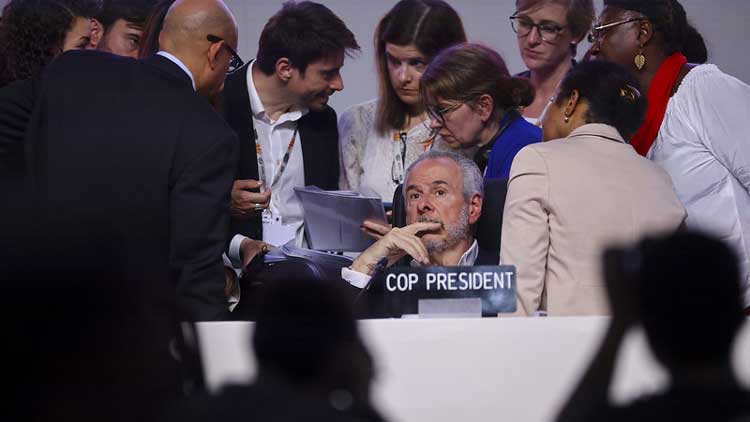
As the sun set over the Amazon, the hope that COP30 would be a “people’s climate summit” faded. Hosted in Belém, the UN conference unfolded amid floods, fires and intense geopolitical tensions — but ultimately produced a weak outcome despite the world breaching 1.6°C of warming last year.
Here are five major takeaways:
1. Indigenous Presence Was Historic — But Their Influence Was Limited
More than 5,000 Indigenous representatives travelled to the summit, but only 360 were granted access to the key negotiation “blue zone”. In contrast, 1,600 fossil-fuel-linked delegates were accredited.
Symbolism aside, Indigenous groups largely remained observers, excluded from closed-door talks. Logistical challenges also raised questions — hotels were so scarce that Brazil docked two cruise ships for delegates, despite their significantly higher per-person emissions.
2. Protests Returned — And They Mattered
COP30 was the largest summit since COP26 in a country that allows meaningful public protest. Daily demonstrations culminated in a massive Indigenous-led march.
This pressure helped push Brazil to recognise four new Indigenous territories — one of the few concrete wins outside formal negotiations.
3. US No-Show Leaves a Void for China and Oil States
For the first time, the United States sent no official delegation. With Donald Trump calling climate change “the greatest con job” and rolling back domestic green policies, the absence gave space for Saudi Arabia and other petro-states to obstruct progress.
China capitalised on the vacuum, aggressively promoting its clean-tech sector. Many negotiators privately admitted the summit was less chaotic without the US “burning the house down” — but its absence weakened ambition nonetheless.
4. Real Action Happened in Side Deals, Not Main Negotiations
Meaningful outcomes came from voluntary agreements:
-
The Belém Pledge — backed by India, Japan and others — aims to quadruple sustainable fuel use by 2035.
-
Brazil announced a multi-billion-dollar rainforest trust fund.
-
The EU pledged fresh aid for the Congo Basin.
But the official COP30 outcome — the “Belém package” — was weak. The final text did not mention “fossil fuels” at all, a major step backward from Glasgow and Dubai.
5. Fossil Fuel Roadmap Watered Down
The much-anticipated “Global Mutirão” text — a proposed roadmap to transition away from fossil fuels supported by over 80 nations — lost momentum.
Saudi Arabia, India and other major producers diluted the proposal. A fire delayed talks, and by the end, crucial language on phasing out fossil fuels had vanished. Colombia protested, forcing the presidency to promise a six-month review.
A Growing Divide
COP30 underscored the deepening rift between oil-rich nations and the rest of the world. While civil society and Indigenous activists displayed unprecedented strength, their demands did not shape the final agreement.
With COP31 set for Turkey — where protests face stricter controls — the space for public pressure may shrink just as global climate action needs it most.
Comments are closed.