
‘If War Breaks Out…’: Afghanistan Issues Stern Warning to Pakistan as Peace Talks Collapse Again

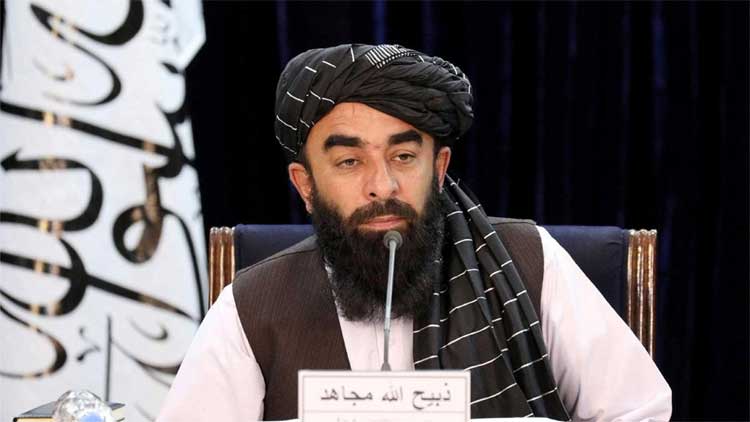
As the final round of peace talks between Afghanistan and Pakistan in Istanbul ended without progress, the Taliban government on Saturday warned that it reserves the right to defend itself if war breaks out. Multiple rounds of negotiations, mediated by Turkey and Qatar, have failed to stop the recurring border clashes that have left dozens of soldiers and civilians dead on both sides.
Afghanistan blamed Pakistan for the breakdown of the dialogue, calling Islamabad’s demands “unreasonable” and accusing it of derailing the peace process. Citing a report by the Associated Press, Taliban spokesperson Zabihullah Mujahid said Pakistan’s stance had “stagnated” the talks and reiterated that Afghanistan had the “right to defend itself” if hostilities resumed.
“Afghanistan does not want insecurity in the region, and entering into war is not our first choice,” Mujahid said. “But if war breaks out, we have the right to defend ourselves.” He further added that Afghanistan “will not allow anyone to use its territory against another country, nor permit actions that undermine its sovereignty or security.”
Pakistan’s ‘War’ Warning
Even before the Istanbul talks began, Pakistan’s Defence Minister Khawaja Asif warned that conflict would be inevitable if negotiations failed. Speaking to Geo News, Asif said bluntly, “If talks fail, only war will happen,” describing military confrontation as the final option to deal with the Taliban government. The remarks, captured in a video circulating online, have drawn sharp reactions in both countries.
On Saturday, Asif confirmed that the talks were effectively “over,” warning that the fragile ceasefire between the two sides would hold “only if there are no violations from the Afghan side.”
Pakistan’s Information Minister Attaullah Tarar also acknowledged the collapse of the negotiations, stating that while Islamabad “values peace and stability,” it would take “necessary measures” to safeguard its citizens. He added that Pakistan “will not support any steps by the Taliban government that are not in the interest of the Afghan people or neighbouring countries.”
Months of Failed Diplomacy
The Istanbul meeting marked the third round of peace talks in as many months. A previous round in October, hosted in Doha, had resulted in a short-term ceasefire after Turkey announced that both countries agreed to establish a “monitoring and verification mechanism” to uphold peace and penalize violations.
However, the truce quickly faltered amid renewed border skirmishes. The latest tensions date back to October, when Afghanistan accused Pakistan of orchestrating twin bombings in Kabul. Days later, the Taliban said they had “retaliated” by attacking Pakistani military posts, claiming to have killed 58 soldiers—a number Pakistan disputed, confirming only 23 deaths.
Following intense clashes, both sides agreed to a 48-hour ceasefire, but it was soon broken after Pakistani airstrikes on Afghan territory reportedly killed at least 10 people, including three local cricketers. The violence subsided only after mediation efforts by Qatar and Turkey, which have since struggled to sustain the truce.
Comments are closed.