
How Canada Plans to Woo H-1B Talent Hit by Trump’s $100,000 Fee: The ‘Accelerated Pathway’ Explained

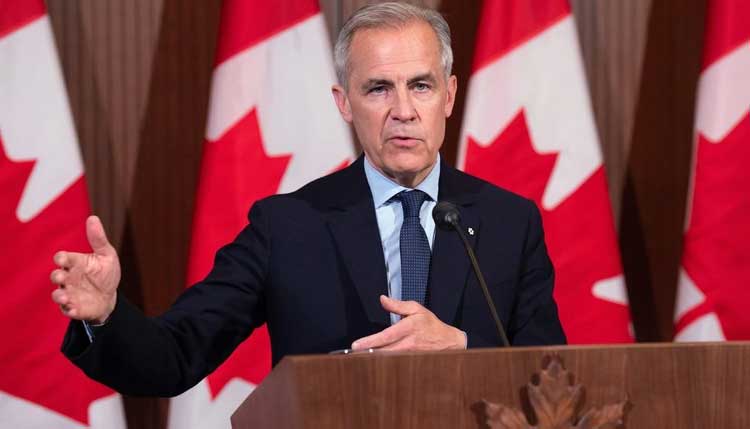
With the Donald Trump administration proposing a $100,000 annual fee for H-1B visas, Canada is seizing the moment to lure global talent — especially skilled researchers and H-1B holders — even as it tightens limits on foreign students.
In his first federal budget, Prime Minister Mark Carney announced a C$1.7 billion (US$1.2 billion) plan to hire more than 1,000 top international researchers, saying their expertise would boost Canada’s long-term economic competitiveness. The government is also preparing an “accelerated pathway” for current H-1B visa holders, a move seen as a direct response to tougher US immigration rules.
But while Canada is opening doors to high-skill permanent residents, it is sharply cutting back on temporary entrants — especially international students. Under the latest immigration plan, the country will admit about 380,000 permanent residents annually from 2026 to 2028, but will reduce temporary resident numbers by more than 40% over the same period. New study permits are expected to fall to 155,000 in 2026 and 150,000 in 2027 and 2028.
The shift comes as the US clamps down on immigration and imposes steep costs on foreign workers. Indian and Chinese nationals — who make up the bulk of H-1B holders, with Indians accounting for over 70% — are already expressing uncertainty over their future in the US tech sector.
Carney signalled Canada’s intentions as early as September: “There is a clear opportunity to attract people who would previously have gone to the US on H-1B visas,” he said.
Universities Canada welcomed the goal of a “sustainable immigration system” but warned the student cap must not undercut the country’s talent pipeline.
Comments are closed.