
Top 10 Most Polluted Areas in Delhi a Day After Diwali: Full List

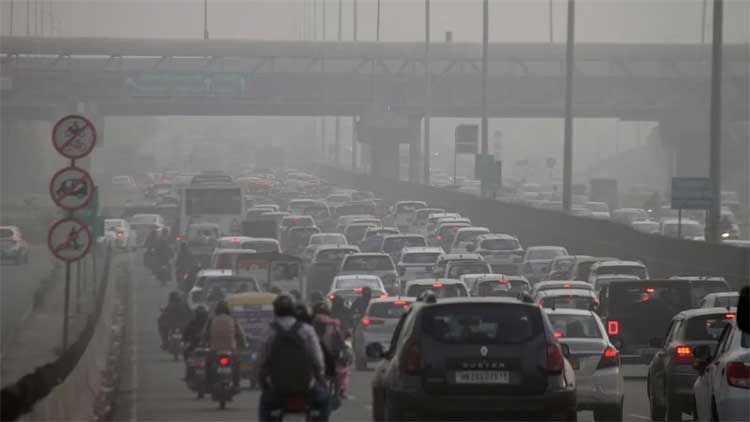
Delhi woke up to a thick blanket of smog and toxic air on Tuesday, a day after Diwali celebrations, as pollution levels spiked sharply across the city. The overall Air Quality Index (AQI) stood at 350 at 8 a.m., falling into the ‘Very Poor’ category, according to data from the Central Pollution Control Board (CPCB). Most monitoring stations across the capital recorded pollution levels in the ‘red zone’.
Top 10 Most Polluted Areas in Delhi (as of Tuesday morning)
| Area | AQI | Category |
|---|---|---|
| Bawana | 427 | Severe |
| Wazirpur | 408 | Severe |
| Alipur | 408 | Severe |
| Jahangirpuri | 407 | Severe |
| Burari Crossing | 402 | Severe |
| Shadipur | 399 | Very Poor |
| Ashok Vihar | 391 | Very Poor |
| Punjabi Bagh | 376 | Very Poor |
Other areas also reported dangerously high pollution levels: ITO (347), JLN Stadium (318), Lodhi Road (327), Anand Vihar (360), Okhla Phase-II (353), Delhi University North Campus (363), and Dilshad Garden (357). Even around Indira Gandhi International Airport, the AQI remained in the ‘Very Poor’ range at 313.
Delhi’s Annual Post-Diwali Pollution Spike
In the run-up to Diwali, Delhi’s air quality had already been deteriorating, prompting authorities to enforce Stage 2 of the Graded Response Action Plan (GRAP) on Sunday. Despite these curbs, pollution levels entered the ‘Severe’ category on Diwali day itself, with several monitoring stations recording AQIs above 400.
The situation worsened further on Tuesday morning, with heavy smog reducing visibility and pushing PM2.5 concentrations in parts of the city to nearly 29 times the permissible limit. The onset of winter and widespread firecracker use have compounded Delhi’s annual toxic air crisis.
Supreme Court’s Conditional Nod to Green Crackers
On October 15, just days before Diwali, the Supreme Court allowed the limited sale and use of green firecrackers in Delhi-NCR between October 18 and 20, with restrictions on timing — from 6–7 p.m. and 8–10 p.m. — and a ban on crackers brought from outside the region.
The court described the decision as a “balanced approach” to preserve festive traditions while protecting the environment. However, widespread violations of the court’s guidelines were reported across Delhi, contributing significantly to the post-Diwali pollution spike.
Environmental experts warn that unless strict enforcement and long-term measures are implemented, Delhi’s air quality will continue to nosedive each winter — leaving residents gasping for breath year after year.
Comments are closed.