
Antioxidants Help Stave Off a Host of Health Problems – But Figuring Out How Much You’re Getting Can Be Tricky

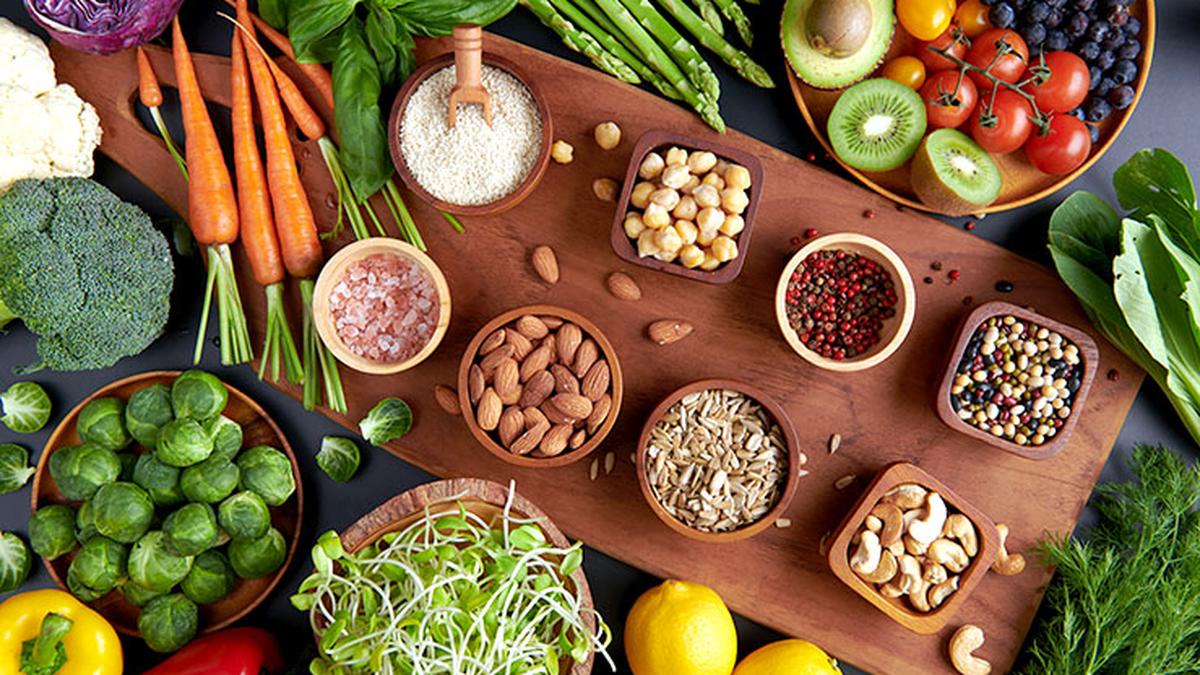
In the ever-expanding world of nutrition, antioxidants have become a buzzword synonymous with good health, longevity, and disease prevention. From fruits and vegetables to teas and dark chocolate, these powerful compounds are praised for protecting the body from harmful molecules known as free radicals. Yet, while antioxidants are essential to overall wellness, knowing exactly how much you’re getting — and how much you need — remains one of nutrition’s most complex puzzles.
What Are Antioxidants, and Why Do They Matter?
Antioxidants are naturally occurring compounds that help neutralize free radicals — unstable molecules generated during metabolism, stress, pollution exposure, and even sun exposure. When free radicals build up, they can damage cells, proteins, and DNA, leading to a condition known as oxidative stress. Over time, oxidative stress contributes to chronic diseases like heart disease, diabetes, cancer, and neurodegenerative disorders.
Common antioxidants include vitamin C, vitamin E, beta-carotene, selenium, and polyphenols found in plants. They act like bodyguards, stabilizing free radicals before they can cause harm.
The Health Benefits of Antioxidants
Research consistently shows that diets rich in antioxidant-containing foods can:
-
Reduce inflammation, which is linked to heart disease and arthritis.
-
Boost immune function, helping the body resist infections.
-
Slow aging, by protecting skin and cellular structures from damage.
-
Protect brain health, lowering the risk of Alzheimer’s and cognitive decline.
-
Support eye health, especially through antioxidants like lutein and zeaxanthin found in leafy greens.
However, while the benefits are undeniable, determining how much antioxidant protection you’re truly getting — or need — is far from straightforward.
Why Measuring Antioxidant Intake Is So Complicated
The challenge lies in how antioxidants behave inside the body. Unlike vitamins or minerals, which have specific recommended daily allowances (RDAs), there is no established daily requirement for antioxidants as a group. The body produces some of its own antioxidants naturally, such as glutathione, while the rest must come from diet.
Adding to the complexity, not all antioxidants are created equal. Different types work in different parts of the body — some protect fatty tissues (like vitamin E), others target water-based areas (like vitamin C). Moreover, their effectiveness can depend on how they interact with one another and how efficiently your body absorbs them.
Food labels rarely specify the antioxidant content of products, and even when they do, the values may not reflect how much the body actually uses. Factors like cooking, food freshness, and individual metabolism can all influence absorption.
The Risk of “Too Much of a Good Thing”
While antioxidant supplements are widely marketed as health boosters, excessive intake can sometimes do more harm than good. Studies have shown that high doses of synthetic antioxidants, especially when taken as pills rather than through whole foods, may disrupt the body’s natural balance and even reduce the effectiveness of certain medications.
For instance, overuse of beta-carotene supplements has been linked to an increased risk of lung cancer in smokers. Similarly, high doses of vitamin E can interfere with blood clotting. The key message: balance matters more than quantity.
Getting Antioxidants the Right Way
Nutrition experts agree that the best source of antioxidants is a varied, colorful diet, not supplements. “Eating the rainbow” — consuming fruits and vegetables of different colors — ensures a broad spectrum of antioxidant compounds.
Here are some excellent natural sources:
-
Vitamin C: citrus fruits, strawberries, bell peppers, broccoli
-
Vitamin E: nuts, seeds, spinach, avocado
-
Beta-carotene: carrots, sweet potatoes, mangoes
-
Polyphenols: green tea, berries, dark chocolate, red wine (in moderation)
-
Selenium: Brazil nuts, fish, eggs
Combining these foods creates a synergistic effect, enhancing the body’s antioxidant defenses more effectively than isolated supplements ever could.
The Way Forward: Focus on Food, Not Numbers
While it’s nearly impossible to measure your exact antioxidant intake, focusing on dietary quality offers the best results. A diet rich in fruits, vegetables, nuts, whole grains, and herbs naturally delivers the antioxidants your body needs to combat oxidative stress.
Regular exercise, adequate sleep, and reduced exposure to pollution and smoking further support the body’s natural defense systems.
Conclusion
Antioxidants are crucial allies in the fight against aging and disease, but understanding how much you’re getting — or need — remains an inexact science. Instead of obsessing over numbers, the smarter approach is to embrace a diverse, plant-rich diet that fuels the body’s built-in defense mechanisms.
In essence, the secret to harnessing antioxidants isn’t hidden in supplements or formulas — it’s found on your plate, in every bite of vibrant, whole food that nourishes both body and mind.
Comments are closed.