
When Strength Erodes: What You Need to Know About Osteoporosis

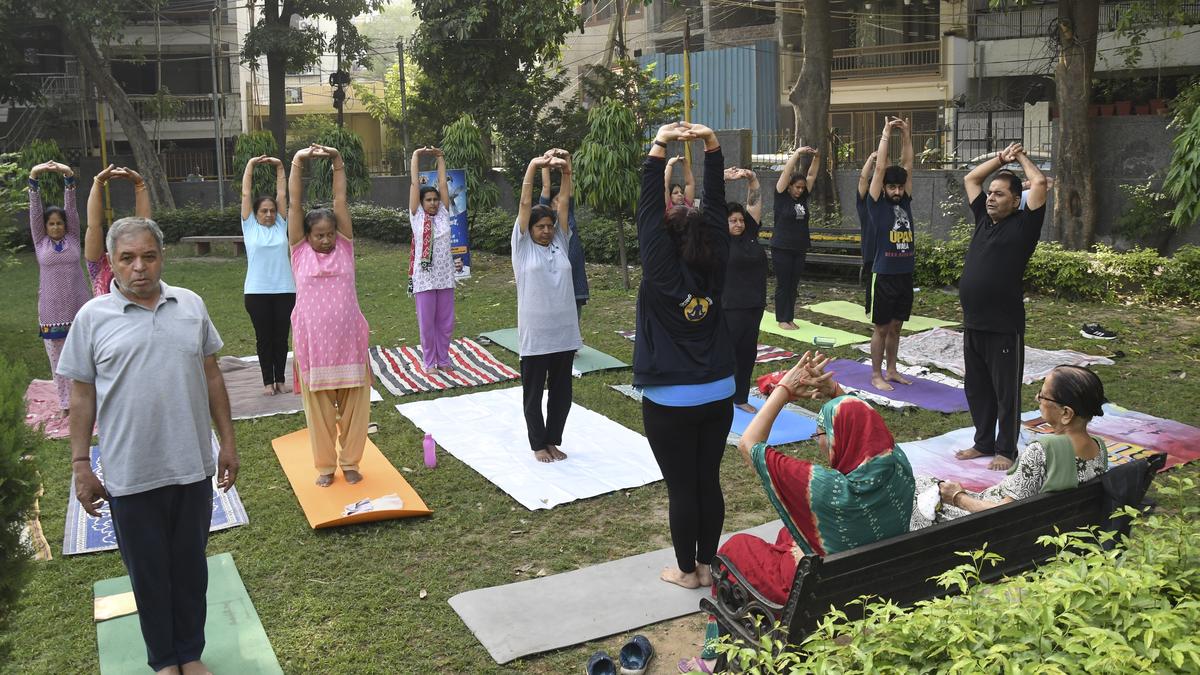
Osteoporosis is often called the “silent disease,” and for good reason. It develops slowly and quietly, weakening the bones over time until a simple fall—or even a minor bump—can result in a fracture. As people age, bone strength naturally declines, but osteoporosis accelerates that process, leaving millions vulnerable to life-changing injuries. Understanding how this condition develops, who is at risk, and how it can be prevented is crucial for maintaining long-term bone health.
What Is Osteoporosis?
Osteoporosis literally means “porous bones.” It occurs when the body loses too much bone, makes too little bone, or both. As a result, bones become fragile and brittle. Under a microscope, healthy bone has a dense, honeycomb-like structure, but with osteoporosis, the spaces inside that structure grow larger, leading to a significant loss in strength and density.
This condition often affects the spine, hips, and wrists—the bones most prone to fractures. Because bone loss occurs gradually, many people don’t realize they have osteoporosis until they experience a fracture, which can have long-term consequences for mobility and independence.
Causes and Risk Factors
Several factors contribute to the development of osteoporosis. Age is the biggest risk factor—bone density peaks in one’s 20s and starts declining after midlife. Hormonal changes, especially the drop in estrogen during menopause, accelerate bone loss in women. Men are also at risk, particularly after age 70, as testosterone levels decline.
Other contributing factors include:
-
Family history of osteoporosis or fractures
-
Low calcium and vitamin D intake
-
Sedentary lifestyle or prolonged bed rest
-
Smoking and excessive alcohol consumption
-
Certain medications, such as corticosteroids or anticonvulsants
-
Medical conditions like thyroid disorders, rheumatoid arthritis, or malabsorption syndromes
Symptoms to Watch For
Osteoporosis is often symptomless until a fracture occurs, but there are subtle warning signs. Gradual height loss, stooped posture, or sudden back pain can all indicate spinal fractures caused by weakened vertebrae. Recurrent fractures or difficulty recovering from minor injuries may also signal advanced bone loss.
Diagnosis and Screening
A bone mineral density (BMD) test, often performed using a DEXA scan, is the standard method for diagnosing osteoporosis. The scan measures bone density in critical areas like the spine and hip, comparing results to healthy young adults of the same gender. The outcome, expressed as a T-score, helps doctors determine whether bone loss is mild (osteopenia) or severe (osteoporosis).
Routine screening is especially important for postmenopausal women, older adults, and individuals with known risk factors. Early detection allows for timely intervention and prevention of fractures.
Prevention: Building Strong Bones Early
The best defense against osteoporosis begins decades before the disease develops. Building strong bones during youth provides a crucial “bone bank” for later years. Calcium and vitamin D play vital roles—calcium strengthens bone tissue, while vitamin D enhances calcium absorption.
Good dietary sources include:
-
Calcium: dairy products, leafy greens, almonds, and fortified foods
-
Vitamin D: sunlight exposure, fatty fish, and fortified milk
Regular weight-bearing exercises like walking, dancing, jogging, and strength training help maintain bone mass. Avoiding smoking and limiting alcohol also reduce the risk of bone loss.
Treatment Options
If diagnosed, osteoporosis can be managed effectively with lifestyle changes and medical treatment. Doctors may prescribe bisphosphonates or other medications to slow bone breakdown, and in some cases, hormone therapy may be recommended for postmenopausal women. Nutritional supplements, exercise programs, and fall-prevention strategies all form part of a holistic management plan.
Living with Osteoporosis
While osteoporosis cannot always be reversed, its progression can be slowed—and fractures prevented—with the right care. A focus on balance exercises, home safety modifications, and regular medical follow-ups can help patients live active, independent lives. Emotional support and education also play a key role, as the fear of falling can often limit movement and social engagement.
Conclusion
Osteoporosis is not just a condition of aging—it’s a health challenge that can affect quality of life at any stage. The good news is that with awareness, early screening, and proactive care, much of its damage can be prevented.
When bone strength begins to erode, knowledge becomes the first line of defense. By understanding osteoporosis and taking steps to protect your bones today, you can ensure that strength—and confidence—endure well into the future.
Comments are closed.