
Deepavali Decorations, Smoke, and Festive Foods Could Trigger Allergies in Children — Here’s How to Stay Safe

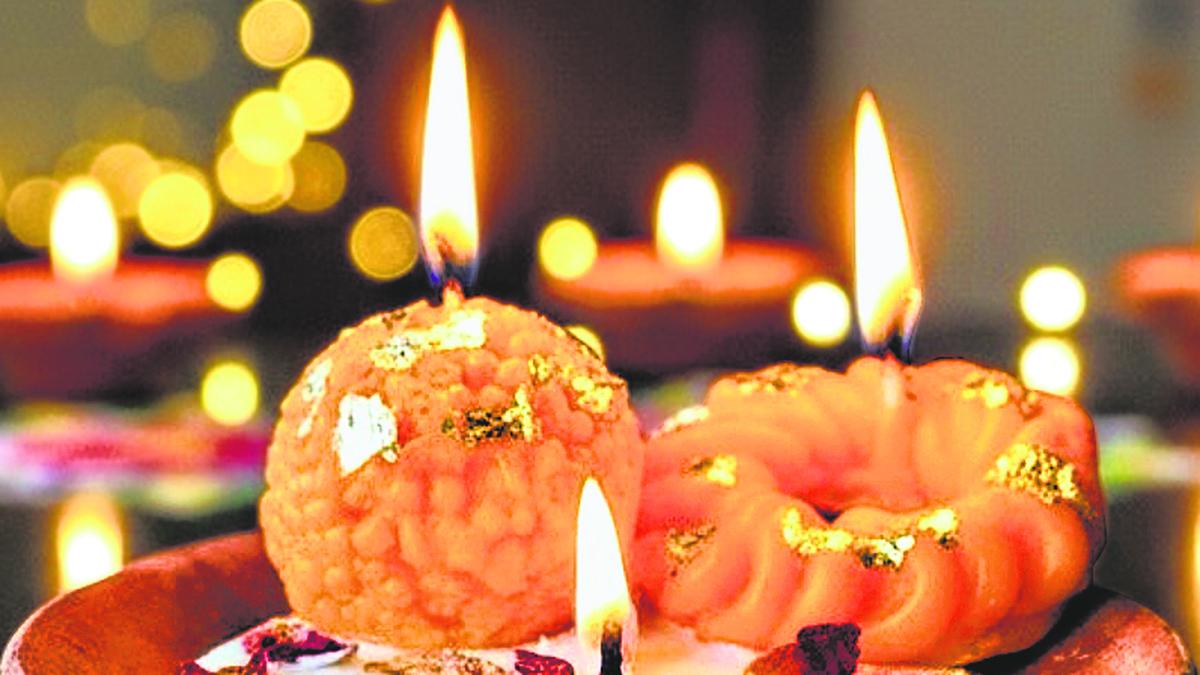
As families across India prepare to celebrate Deepavali with lights, sweets, and fireworks, health experts are urging parents to be mindful of hidden allergy triggers that can affect children during the festive season. From scented candles and decorative dust to smoky air and sugar-laden treats, several common elements of the festival can cause allergic reactions or respiratory discomfort, especially in sensitive children.
The Hidden Triggers of Festive Allergies
Deepavali celebrations often bring an increase in air pollution due to firecrackers and burning diyas. The resulting smoke and particulate matter can irritate the respiratory tract, triggering coughing, wheezing, and shortness of breath in children with asthma or allergic rhinitis. Even children without a known history of respiratory illness can experience symptoms such as watery eyes, nasal congestion, and throat irritation.
Indoor decorations can also pose risks. Synthetic flowers, old rangoli powders, and decorative fabrics may accumulate dust mites and mold spores, which can easily trigger sneezing fits or skin rashes. In addition, many households use scented candles, essential oils, and aerosol sprays during the festival. While these fragrances add to the festive atmosphere, they can act as irritants, leading to headaches, nausea, or allergic rhinitis in sensitive children.
Festive foods, another highlight of Deepavali, can also be problematic. Traditional sweets and snacks often contain nuts, dairy, ghee, and artificial colorings — all common allergens. Cross-contamination in kitchens, especially when multiple dishes are prepared simultaneously, increases the risk of allergic reactions in children with food sensitivities.
Common Symptoms to Watch Out For
Allergies in children may manifest in various ways. Parents should watch for signs such as:
-
Itchy or watery eyes
-
Runny or blocked nose
-
Persistent coughing or wheezing
-
Skin rashes, redness, or hives
-
Swelling around the lips or eyes after eating certain foods
-
Fatigue or irritability due to breathing discomfort
If symptoms appear severe or persistent, it is important to consult a pediatrician or allergist promptly.
Tips to Keep Children Safe During Deepavali
1. Minimize exposure to smoke:
Encourage indoor celebrations or use eco-friendly crackers that emit less smoke and noise. Keep windows closed during peak firecracker hours and use air purifiers if possible. Children with asthma should avoid being outdoors in the evening when pollution levels are at their highest.
2. Clean decorations before use:
Wipe down old decorative items, lights, and curtains to remove accumulated dust. Opt for fresh flowers or eco-friendly decorations made from natural materials instead of plastic or synthetic ones.
3. Choose unscented products:
Avoid air fresheners, incense sticks, and scented candles in areas where children spend most of their time. If you wish to use fragrances, choose mild, natural alternatives such as lemongrass or lavender in limited quantities.
4. Practice food safety:
Inform relatives and friends about your child’s food allergies if you are attending gatherings. Prepare allergen-free versions of popular sweets using safe substitutes like coconut, jaggery, or gluten-free flour. Always check ingredient labels when buying packaged snacks or sweets.
5. Maintain indoor air quality:
Ventilate the home well during the day and consider placing indoor plants such as peace lilies or areca palms to naturally purify the air. After the festivities, clean up soot, ash, and debris promptly to prevent lingering allergens.
6. Keep emergency medication handy:
For children with diagnosed allergies or asthma, ensure that prescribed inhalers, antihistamines, or epinephrine auto-injectors are readily available.
Balancing Celebration with Caution
Deepavali is a festival of joy, togetherness, and renewal. However, in the excitement of celebrations, children’s health should not be overlooked. Simple preventive steps can help ensure that the festival remains safe and enjoyable for all.
As Dr. Anita Rao, a pediatric allergist, often reminds parents, “Festivals should light up children’s faces, not trigger sneezes or wheezes. Awareness and preparation are the best gifts you can give your child this season.”
By embracing safer practices — from cleaner air to allergy-free treats — families can celebrate Deepavali in the true spirit of health, happiness, and harmony.
Comments are closed.