
Afghanistan Pulls Out of Tri-Series Involving Pakistan After Killing of Afghan Players in Paktika

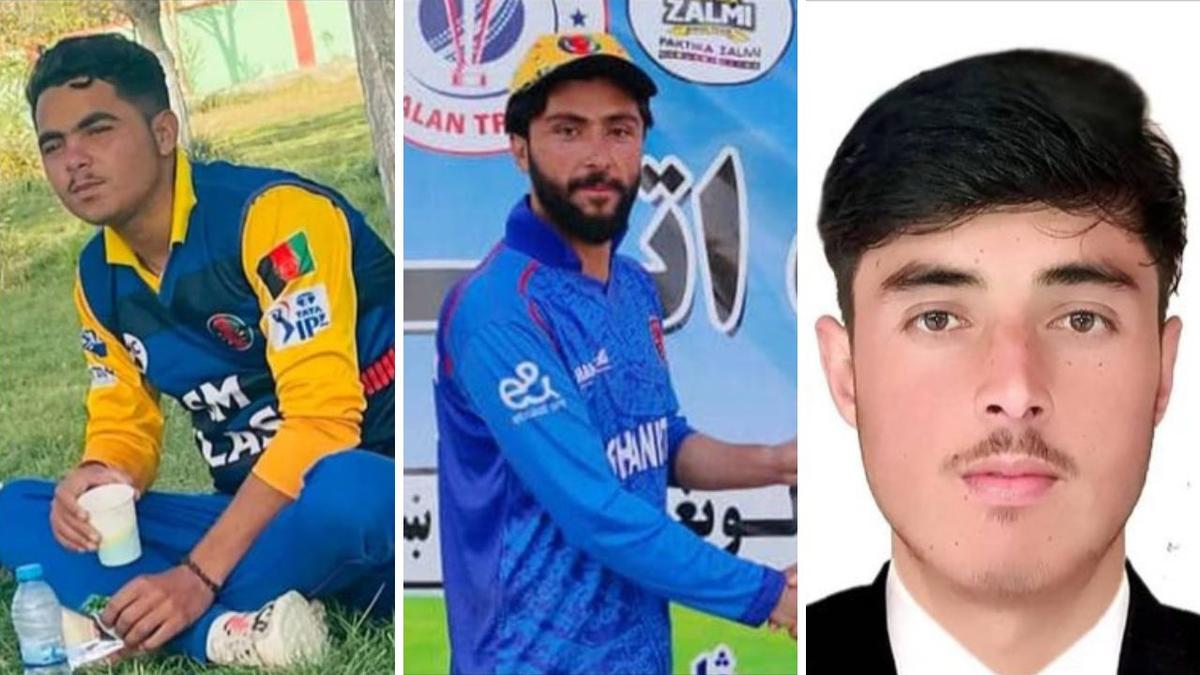
In a shocking turn of events, Afghanistan has withdrawn from the upcoming cricket tri-series that was to feature Pakistan and another participating nation, following the tragic killing of several Afghan players in the southeastern province of Paktika. The decision comes amid deep mourning in the country’s sporting community and renewed concerns over player safety and internal stability.
According to reports from within Afghanistan’s cricket circles, the victims were part of a domestic cricket training camp when unidentified gunmen attacked the area, leaving multiple casualties and injuries. The incident has sent shockwaves through Afghanistan’s already fragile sporting landscape, where cricket has long served as a rare unifying force across ethnic and regional divides.
The Afghanistan Cricket Board (ACB) expressed deep sorrow over the loss of its young talents, calling the attack a “national tragedy” and announcing a period of mourning. In a statement, ACB officials stated that the board “cannot in good conscience proceed with international fixtures while our players and their families grieve this immense loss.” The cancellation of their participation in the tri-series is seen not only as a mark of respect but also as a measure of protest against ongoing violence that continues to target civilians, including athletes.
The tri-series, which was scheduled to be played later this month, was expected to be an important preparatory tournament for the upcoming ICC events. Afghanistan’s withdrawal leaves the future of the series uncertain, as cricket boards scramble to decide whether to proceed with a bilateral format or postpone the matches altogether.
Beyond the sporting implications, this tragic incident underscores the persistent insecurity in Afghanistan’s border provinces. Paktika, in particular, has witnessed sporadic violence in recent months, with militant groups still active despite repeated assurances of improved law and order. The deaths of promising cricketers have reignited debates over the Taliban administration’s capacity to protect athletes and sporting institutions that represent Afghanistan on the global stage.
Afghan players, past and present, have taken to social media to express outrage and grief. Several national team members, including senior players, condemned the attack and called for justice for their fallen teammates. “They were our brothers, our future stars,” one player posted. “The spirit of Afghan cricket has been deeply wounded today.”
For many Afghans, cricket symbolizes resilience—a sport that rose from refugee camps and war-torn streets to deliver international pride. The game’s rapid growth, driven by passion and perseverance, has often been hailed as a story of hope in the face of adversity. This incident, however, has cast a shadow over that progress, raising fears that insecurity may once again derail the nation’s sporting dreams.
Pakistan Cricket Board (PCB) officials, meanwhile, extended condolences to the ACB and the families of the victims, acknowledging Afghanistan’s decision as understandable under such tragic circumstances. “Cricket must always come second to human life,” a PCB spokesperson said, expressing solidarity with Afghanistan’s cricket community.
As Afghanistan mourns, the broader cricketing world has joined in offering support and sympathy. The International Cricket Council (ICC) is expected to issue a statement soon, possibly exploring ways to assist the Afghan cricketing infrastructure during this difficult period.
While the tri-series may no longer proceed as planned, the incident has once again reminded the world of the human cost behind the headlines. For Afghanistan, the loss of its young cricketers is not just a blow to its sports community—it is a painful reminder of how deeply violence continues to scar its people and its promise.
In the words of one grieving coach from Kabul, “We have lost players today, but we must not lose the spirit of Afghan cricket. Their dream must live on.”
Comments are closed.