
Pakistan Ready for Talks with Afghanistan, But Only on ‘Legitimate’ and ‘Respectful Conditions’: PM Sharif

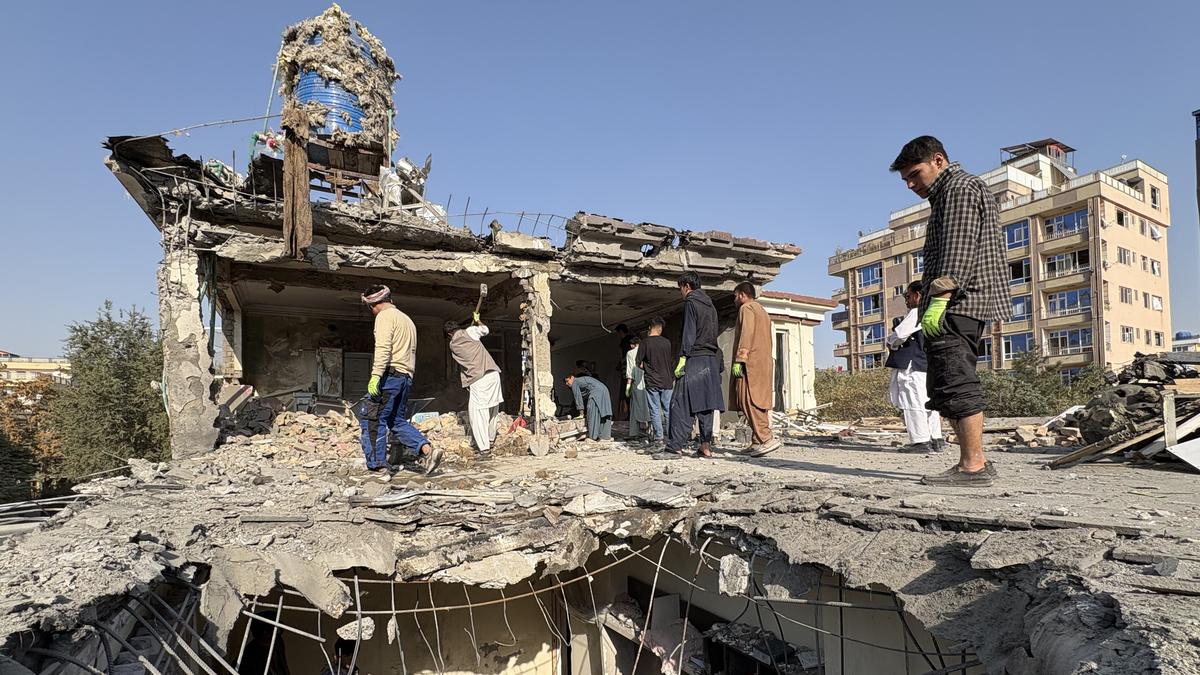
Pakistan has signalled its willingness to engage in dialogue with Afghanistan, but Prime Minister Shehbaz Sharif has made it clear that any discussions must be held on “legitimate” and “respectful” terms. The statement reflects Islamabad’s growing frustration with the recent surge in cross-border tensions and security challenges emanating from Afghan soil, even as it reiterates its preference for diplomacy over confrontation.
A Call for Constructive Engagement
Speaking at a press briefing in Islamabad, PM Sharif underscored that Pakistan values peaceful and cooperative relations with its neighbour, Afghanistan, rooted in mutual respect and shared regional interests. He stated that Pakistan “believes in dialogue, not discord,” but stressed that discussions can only move forward if both nations adhere to principles of sovereignty and non-interference.
Sharif’s message appears to be a response to recent strains in Pakistan–Afghanistan relations, especially following attacks on Pakistani security forces allegedly carried out by militants operating from Afghan territory. Islamabad has repeatedly accused the Taliban-led government in Kabul of harbouring members of the banned Tehreek-e-Taliban Pakistan (TTP), a claim that Kabul denies.
The Context of Rising Tensions
Tensions between the two neighbours have been building over border security, counter-terrorism cooperation, and refugee movements. The Pakistani government recently launched a crackdown on undocumented migrants, including Afghans residing illegally in the country — a move that drew sharp criticism from Kabul.
While Pakistan insists the policy is an internal matter, Afghan officials and rights groups have accused Islamabad of using refugees as leverage in diplomatic negotiations. The situation has further complicated an already delicate relationship between the two nations, historically intertwined through trade, culture, and shared security challenges.
Sharif’s Message: Diplomacy with Dignity
PM Sharif’s remarks suggest Pakistan wants to reset its relationship with Afghanistan, but not at the cost of its national security or diplomatic dignity. “Pakistan is ready for talks — but those talks must be meaningful, legitimate, and conducted on terms that respect our sovereignty,” he said, emphasizing that Islamabad would not tolerate “lectures or unilateral dictates.”
The Prime Minister added that Pakistan’s primary concern is the security of its citizens and the stability of the border regions. He noted that any future engagement would depend on Kabul’s willingness to take concrete steps against cross-border militancy.
Regional Implications
Analysts view Sharif’s remarks as an attempt to strike a balance between firmness and flexibility. Pakistan cannot afford an open conflict with Afghanistan, given its own economic and political challenges. Yet, Islamabad is under domestic pressure to adopt a tougher stance on militancy, particularly after a rise in terrorist attacks in Khyber Pakhtunkhwa and Balochistan provinces.
The situation also holds implications for broader regional dynamics. Both Pakistan and Afghanistan are central to South and Central Asia’s security architecture, and continued hostility between them could disrupt connectivity projects and trade routes envisioned under initiatives like the China–Pakistan Economic Corridor (CPEC).
A Fragile Path Forward
While Sharif’s call for “respectful” dialogue signals an opening, achieving substantive progress may prove difficult. Trust remains low on both sides, and previous rounds of engagement have yielded limited results. For talks to succeed, experts suggest that both nations must establish verifiable mechanisms for intelligence sharing, border management, and the curbing of militant networks.
As things stand, Pakistan’s approach appears to be one of cautious openness — a willingness to talk, but only if Afghanistan demonstrates genuine commitment to addressing Islamabad’s security concerns. The coming weeks will reveal whether Kabul responds to this overture or if the two neighbours continue down a path of mutual suspicion and sporadic confrontation.
Comments are closed.