
Nepal Protest LIVE: 19 Killed in Violent Clashes, Home Minister Steps Down

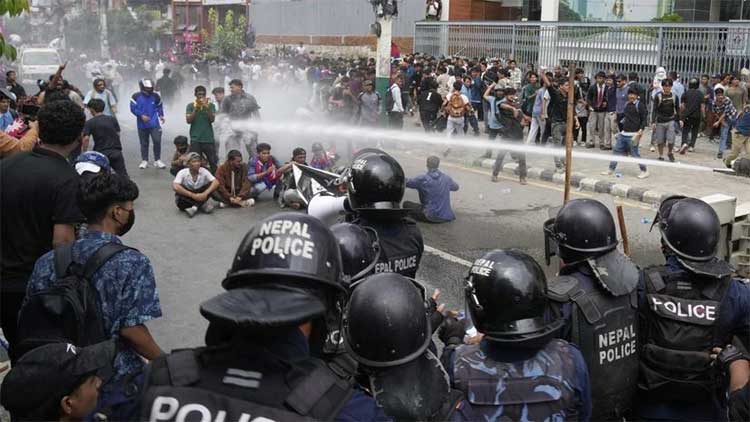
The protests that erupted across Nepal this week against a sweeping social media ban are striking in scale—but the rage powering them has been building for months.
It first surfaced online through the “Nepo Kids” trend, where young Nepalis highlighted images of politicians’ children flaunting lavish lifestyles, as symbols of entrenched nepotism and corruption. What started as a hashtag has now become a nationwide movement.
How protesters spread their message
Despite the government’s September 4 order to block Facebook, WhatsApp, Snapchat and other popular apps, thousands gathered in Kathmandu and other cities on Monday. Protesters relied on TikTok, VPNs and lesser-used platforms to mobilize.
Initially called by a Kathmandu youth collective of under-28s, the demonstrations quickly drew in campaigners behind “Nepo Kids.” The unrest turned deadly when violence broke out, killing more than 15 protesters and forcing Home Minister resign.
Beyond the ban: corruption and anger
For many, the ban was just the trigger. Protesters cited past scandals, such as the controversial 2017 purchase of two Airbus jets by state-run Nepal Airlines, as proof of systemic corruption.
The movement has drawn inspiration from recent youth-led protests in Sri Lanka and Bangladesh, and from the “Nepo Baby” debate in the Philippines. TikTok videos exposing Nepali politicians’ children living in luxury circulated widely before the platform itself faced restrictions.
Even on banned platforms like Reddit, accusations of political families misusing taxpayers’ money gained traction in recent weeks.
“The protests are fueled by frustration and disbelief in authority, as youth feel excluded from decision-making,” said Yog Raj Lamichhane, assistant professor at Pokhara University.
Government’s defense
Authorities argue the ban is about compliance, not censorship. Communications Minister Prithvi Subba Gurung said companies such as Viber, WeTalk, Nimbuzz and Poppo Live had registered locally, but Facebook’s parent Meta had not.
“We gave them enough time to register and repeatedly requested them to comply,” he said.
Prime Minister KP Sharma Oli insisted the government was not against social media, but that platforms must share revenue, pay taxes, and operate under Nepal’s laws. He dismissed protesters as “puppets who only oppose for the sake of opposing.”
Regional concerns
The growing unrest has drawn attention beyond Nepal. India has placed its border forces on alert, wary of spillover from the protests.
Comments are closed.