India’s SCO Appearance Raises US Worries Across Political Spectrum

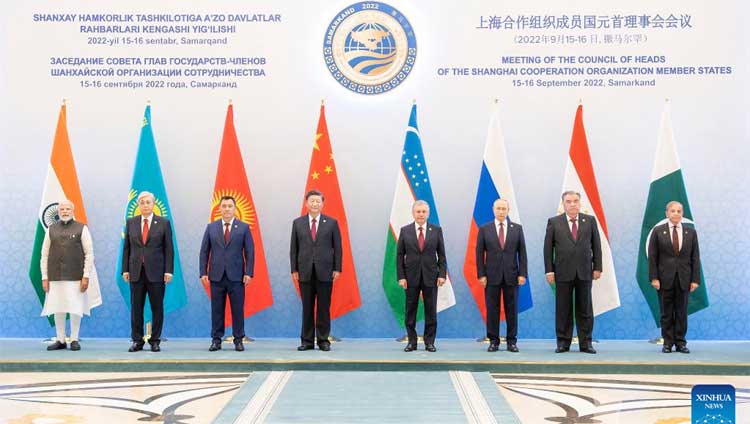
Hours after the Shanghai Cooperation Organisation (SCO) summit ended in Tianjin, American political and foreign policy circles reacted with alarm to visuals of Indian Prime Minister Narendra Modi alongside Russian President Vladimir Putin and Chinese President Xi Jinping.
“It was a shame to see Modi getting in bed, as a leader of the biggest democracy in the world, with the two biggest authoritarians,” White House trade adviser Peter Navarro told reporters Monday, urging India to align more closely with the U.S. and Europe.
Treasury Secretary Scott Bessent downplayed the SCO gathering as “largely performative,” but said India’s values “are much closer to ours than to Russia’s.” Both he and Navarro have recently criticized India’s purchases of Russian energy.
U.S. media coverage emphasized Modi’s visible rapport with Putin, with images of the two leaders riding together and holding hands dominating television reports. Critics of President Donald Trump said his tariff policies had pushed India toward Beijing and Moscow.
California Governor Gavin Newsom, widely seen as a 2028 Democratic presidential contender, blamed Trump for the setback in a post highlighting Modi’s handshake with Xi and Putin. Former National Security Adviser John Bolton and ex-Ambassador to China Nicholas Burns also faulted Trump’s policies, calling them an “own goal.”
Even some Trump-aligned commentators expressed unease. Tech entrepreneur Jason Calcanis wrote on X that Trump’s tariff strategy was “driving an important ally like India into the arms of dictators and despots.”
Comments are closed.