
India Reopens E-Visa for Chinese Tourists After Five Years, Boosting Tourism and Cultural Exchange

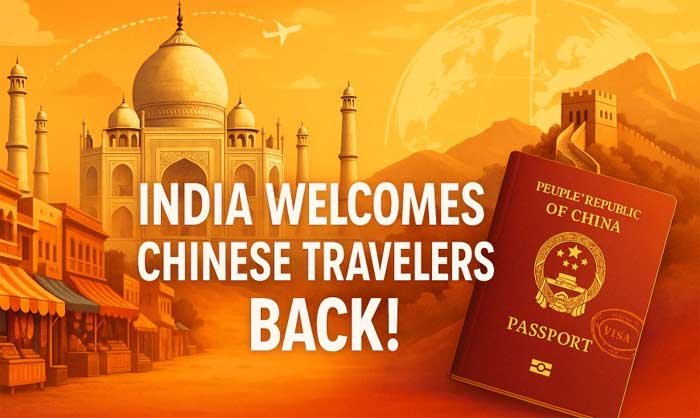
After a five-year pause, India will officially reopen its e-visa facility for Chinese nationals from 24 July 2025, the Indian Embassy in Beijing announced.
The suspension, caused by the 2020 Galwan Valley clashes and COVID-19 restrictions, had significantly reduced Chinese tourist arrivals. This move signals a potential thaw in India-China relations and opens doors for cultural, spiritual, and economic collaboration.
What Has Changed?
The resumption of tourist e-visas goes beyond bureaucracy; it reflects diplomatic normalization efforts. The reopening follows:
-
High-level talks on restoring direct flights in 2025.
-
Collaborative mechanisms for border de-escalation.
Previously, Chinese tourists were among the top visitors to India. Due to the pandemic and political tension, e-visas for tourism were suspended in 2020. From 24 July 2025, Chinese nationals can once again apply for tourist e-visas to explore India’s rich cultural and heritage sites with minimal paperwork.
Impact on Tourism
India’s tourism sector, a major contributor to the economy, suffered when Chinese arrivals dropped from 3.4 lakh in 2019 to just 30,000 in 2023. With e-visas reopening, experts predict around 2 lakh Chinese tourists by 2025-26, boosting both economic and cultural engagement.
Popular itineraries include:
-
India Golden Triangle Tour – Delhi, Agra, Jaipur
-
Spiritual circuits – Bodh Gaya, Sarnath, Nalanda, Kushinagar, and Kailash Mansarovar Yatra
These tours cater to first-time visitors with a mix of history, architecture, culture, and spiritual experiences.
Cultural and Economic Benefits
-
Cultural Exchange: Resuming e-visas strengthens people-to-people ties, encourages spiritual tourism, and revives joint cultural programs.
-
Economic Boost: Local businesses, hotels, transportation, artisans, and handicrafts sectors benefit from increased tourist spending.
-
Tourism Growth: Districts along the Golden Triangle, spiritual hubs, and heritage sites will see higher footfall and revenue.
Who Benefits the Most?
-
Tour Operators: Can offer curated tours, Golden Triangle packages, extended Rajasthan tours, and Buddhist Circuit experiences.
-
Hospitality Industry: Hotels, resorts, and restaurants experience higher bookings during peak tourist seasons.
-
Local Businesses: Artisans, souvenir shops, and street vendors gain from increased tourism.
-
Retail & Services: Transportation, guided tours, and entertainment sectors see higher demand.
-
Event Venues: Chinese tourists attending festivals and cultural events boost domestic and international attendance.
Raj Kumar, CEO of Memorable India Journey Pvt Ltd., called the decision “a timely and positive step” and highlighted that the company is ready with Mandarin-friendly itineraries, local food experiences, and curated shopping stalls.
Simplified E-Visa Process for Chinese Nationals
-
Apply online via the Indian Embassy portal.
-
Book appointments at visa centres in Beijing, Shanghai, and Guangzhou.
-
Submit documents for biometric verification and await visa approval.
The Road Ahead
The reopening of e-visas marks a new chapter in tourism, cultural diplomacy, and economic growth. For Chinese travellers, it offers a chance to rediscover India’s spiritual and cultural heritage. For businesses—tour operators, hotels, and local vendors—it presents a golden opportunity to reconnect with a high-spending, experience-driven market.
Analysts view this as a renewed era of travel, cultural exchange, and cooperation rooted in the shared heritage of the two nations.
Comments are closed.