
Generation Z and the Coping Crisis: Unraveling the Myth of Millennial Youth Failure

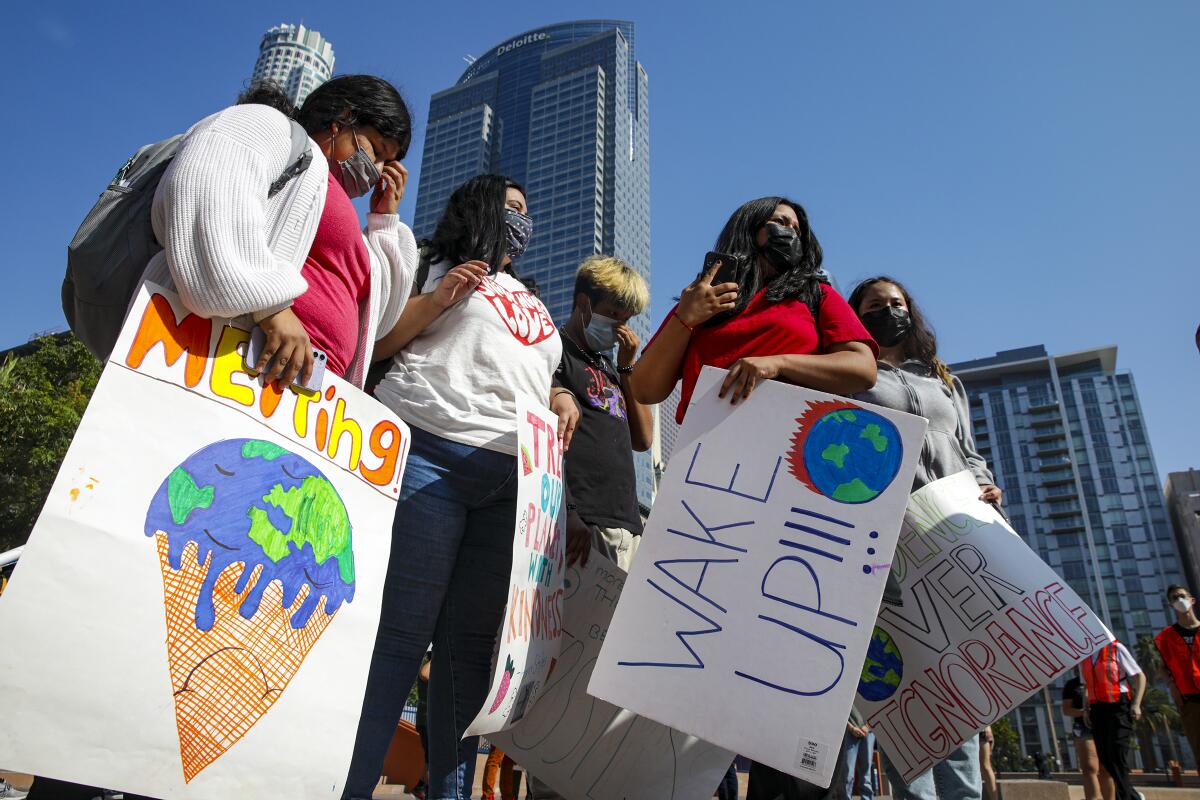
Generation Z (born 1997–2012) faces a widely discussed mental health crisis, with 42% of Gen Z high schoolers reporting persistent sadness or hopelessness in 2021, compared to 35% of Millennials at the same age. This has led to narratives framing Millennials (born 1981–1996) as a generation that failed to equip youth with coping skills, often labeled as “youth failure.” However, this oversimplification ignores the unique challenges Gen Z navigates, including digital saturation, economic instability, and global crises. This article examines the factors driving Gen Z’s coping crisis, challenges the notion of Millennial failure, and explores solutions, drawing on data and trends as of August 19, 2025, at 5:10 PM IST.
The Coping Crisis: Gen Z’s Unique Challenges
Mental Health Statistics
-
Rising Distress: A 2023 Gallup survey found 47% of Gen Z (ages 12–26) often feel anxious, and 22% report frequent depression, significantly higher than Millennials at similar ages. A 2022 federal survey noted 20% of Gen Z youth (ages 12–17) had a major depressive episode, compared to 10% for older adults.
-
ER and Hospitalizations: Mental health-related ER visits for youth ages 12–17 increased by 25% from 2009 to 2019, with suicide attempt hospitalizations rising 1.6-fold, reflecting a crisis more acute for Gen Z than for Millennials.
-
Digital Natives: As the first generation raised with smartphones, 54% of Gen Z spend over four hours daily on social media, amplifying stress through comparison and exposure to global crises, unlike Millennials who adapted to digital life later.
Contributing Factors
-
Economic Pressures: Gen Z faces soaring housing costs, inflation, and job insecurity, with 52% living paycheck to paycheck and 41% worried about retirement, per a 2025 Deloitte survey. Millennials faced similar issues but had a stronger economy pre-2008 recession.
-
Global Instability: Exposure to events like the Ukraine war, climate change, and mass shootings via social media heightens anxiety. A 2023 survey found 51% of Gen Z rank gun violence as a top concern, with 48% thinking about school shootings weekly.
-
Pandemic Impact: The COVID-19 pandemic disrupted Gen Z’s education and social development, with 50% of older Gen Z (ages 18–23) reporting job or income loss in 2020, compared to 40% of Millennials.
Debunking the Myth of Millennial Youth Failure
Misplaced Blame
-
Parenting Narrative: Critics argue Millennials, as parents or older peers, overprotected Gen Z, fostering low resilience through “helicopter parenting.” However, only 25% of Gen Z have Millennial parents, with most raised by Gen X (born 1965–1980), who emphasized safety post-9/11.
-
Cultural Shifts: Millennials faced their own challenges, including the 2008 recession and rising debt, with 52% of young Millennials jobless or underemployed in 2010. Their focus on mental health awareness, with 87% comfortable discussing it, laid the groundwork for Gen Z’s openness, not failure.
-
Resilience Misconception: A 2022 study found Gen Z less resilient than Gen X during COVID-19, but this reflects life stage (emerging adulthood) rather than Millennial parenting. Gen Z’s lower resilience is tied to unique stressors, not a failure of Millennial guidance.
Millennial Contributions
-
Mental Health Advocacy: Millennials normalized therapy, with 35% seeking mental health support by 2018, paving the way for Gen Z’s 87% comfort in discussing mental health openly.
-
Workplace Reform: Millennials pushed for work-life balance, with 70% prioritizing flexibility, influencing Gen Z’s rejection of toxic hustle culture, as seen in 2025 trends like micro-retirements.
-
Diversity and Inclusion: As the most diverse generation until Gen Z, Millennials advanced equity, with policies like Title IX reducing workplace barriers, benefiting Gen Z’s progressive values.
Challenges in Addressing the Crisis
-
Access to Care: Despite openness, Gen Z is 1.6–1.8 times less likely to seek treatment than Millennials, due to stigma, cost (₹2,000–5,000 per session in India), and distrust in healthcare systems.
-
Social Media Overload: Constant connectivity exacerbates anxiety, with 91% of Gen Z reporting stress symptoms. Algorithms amplify negative content, making coping harder.
-
Economic Barriers: High living costs and student debt (average ₹10 lakh for Indian graduates in 2025) limit Gen Z’s ability to prioritize mental health over financial survival.
-
Cultural Stigma: In India, only 30% of Gen Z openly discuss therapy, despite growing acceptance, hindering access to culturally responsive care.
Opportunities for Support
-
Mental Health Resources: Expanding virtual platforms like Charlie Health, founded in 2020, can provide accessible care, with 60% of Gen Z using digital therapy in 2025.
-
Educational Reforms: Schools can integrate mental health education, as 70% of Gen Z support inclusive environments with counseling, per a 2023 study.
-
Workplace Wellness: Employers adopting mindfulness programs and flexible schedules, favored by 75% of Gen Z, can reduce burnout and support coping.
-
Community Building: Gen Z’s openness on platforms like TikTok, where 33% share mental health struggles, fosters supportive online communities, reducing isolation.
-
Policy Advocacy: India’s 15% mental health budget increase in 2025 can fund community programs, aligning with Gen Z’s holistic health views, as 80% prioritize social determinants like housing.
Comments are closed.