
COP30 CEO Warns: ‘Fossil Fuel Dependence Needs a Clear Exit Plan’

From 10–21 November, Brazil will host the United Nations climate change conference (COP30) in Belém, marking the first time such a summit is held in the Amazon. The choice is both symbolic and strategic, placing nature, Indigenous peoples, and the Global South at the centre of international climate diplomacy.
This year’s conference will focus on:
-
Delivering the new climate finance target set at COP29 — USD 300 billion annually in public finance from developed to developing nations by 2035, scaling up to USD 1.3 trillion with private contributions.
-
Strengthening the link between climate mitigation and biodiversity protection.
-
Advancing the global energy transition away from fossil fuels.
-
Finalising the next round of nationally determined contributions (NDCs) under the Paris Agreement, due by September.
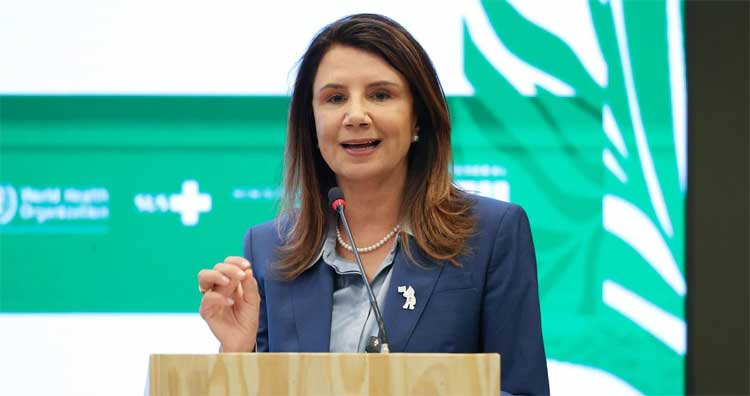
Ana Toni, Brazil’s secretary for climate change and CEO of COP30, outlined the summit’s priorities in a conversation with Dialogue Earth.
Global South Priorities
Toni stressed three key expectations:
-
Adaptation – progress on the Global Goal on Adaptation, including finance, technology transfer, and nature-based solutions.
-
Nature protection – linking climate action with biodiversity conservation, especially in Amazonian and other vulnerable regions.
-
Implementation – moving from commitments to action, building on pledges at COP28 to end deforestation, triple renewables, and transition away from fossil fuels.
On Fossil Fuels and Energy Transition
Asked about President Lula’s statement on continuing fossil fuel production, Toni pointed out that while all countries have agreed to transition away from fossil fuels, the challenge lies in managing economic dependence — whether through revenue from royalties or reliance on consumption. Each nation, she said, must develop a clear strategy within its NDCs.
Climate Finance
For the Global South, finance remains the defining issue. Despite signals of shrinking aid budgets in donor nations, Toni said COP30 must deliver on the USD 300 billion commitment and chart a credible roadmap to mobilise USD 1.3 trillion annually.
Hosting COP30 in Belém
Addressing concerns about Belém’s infrastructure, Toni said Brazil deliberately chose the Amazon as the venue to confront the reality that deforestation is both the country’s largest emissions source and a crucial part of the solution. Despite logistical hurdles, she expressed confidence that delegates will be accommodated.
Geopolitical Distractions
Toni acknowledged that global conflicts, tariff disputes, and military spending threaten to overshadow climate negotiations. Still, she stressed Brazil’s goal of reinforcing multilateralism and keeping countries focused on climate action.
Comments are closed.