
Sudarshan Chakra to Neutralise Aerial Threats Against India

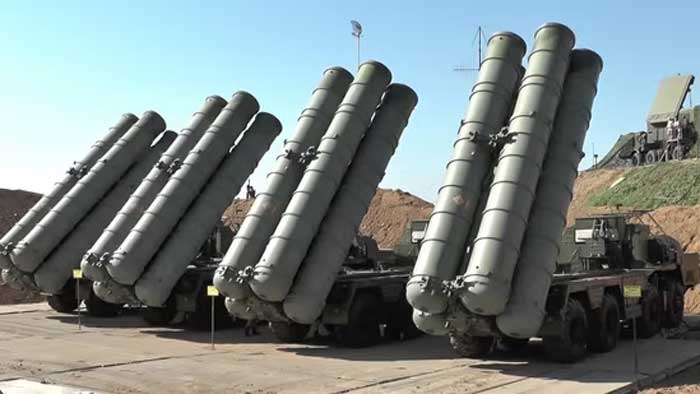
The Sudarshan Chakra unveiled by Prime Minister Narendra Modi in his Independence Day address is a comprehensive, multi-layered air defence system designed to protect India against missiles, drones, and other aerial threats while enabling simultaneous retaliation, according to officials familiar with the project.
The system integrates long-range radars, satellite surveillance, airborne early-warning aircraft, UAV inputs, and interceptor missiles capable of neutralising threats before they reach Indian airspace. Conceptualised by national security planners and missile scientists, Sudarshan Chakra emerged from lessons learned during Operation Sindoor, when Pakistan launched nearly 1,000 projectiles — including ballistic missiles and armed drones — at India. Although Indian forces intercepted many, gaps underscored the need for a unified defence architecture.
The initiative comes as regional threats intensify. Pakistan has developed the 2,200 km-range Ababeel missile with MIRV warheads, while India’s planners point to China and Turkey as suppliers of much of Islamabad’s arsenal. In April, Israel intercepted nearly 500 ballistic missiles from Iran using its Iron Dome, providing further impetus for India’s programme.
Outlining the mission, Modi said: “India is launching Mission Sudarshan Chakra to create a powerful weapon system to thwart any attempt by enemies to attack us. All public places will be covered by a nationwide security shield by 2035.”
The architecture will complement DRDO’s Project Kusha — already cleared by the Cabinet Committee on Security — which aims to deliver extended-range interceptors for the Air Force and Navy by 2030. Under Sudarshan Chakra, control centres will draw on multiple surveillance sources to detect incoming missiles and either deflect them away from population centres or destroy them with precision interceptors before MIRV warheads can separate or before re-entry.
Officials emphasise that Sudarshan Chakra is not purely defensive. Alongside interceptors, India is expanding its offensive missile arsenal, including Pralay and Nirbhay, to strike deep inside adversary territory and provide the Navy with long-range capabilities against enemy fleets.
In effect, Sudarshan Chakra is envisioned as both shield and sword — a system to neutralise threats across all domains while ensuring India retains credible retaliatory power.
Comments are closed.