
New US Visa Rule Introduces $15,000 Bond: What It Means and Who’s Affected

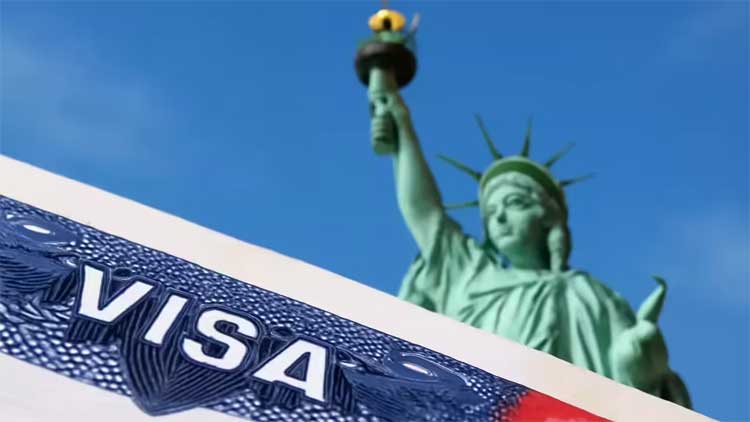
U.S. President Donald Trump is ramping up immigration enforcement efforts with the revival of a visa bond program targeting travelers from countries with high visa overstay rates. The 12-month pilot initiative, set to begin on August 20, will apply to B-1 business and B-2 tourist visa applicants from selected nations, according to a notice obtained by AFP and scheduled for publication in the Federal Register.
What Is the Visa Bond Program?
Under the new rules, U.S. consular officers may require applicants to post a bond of $5,000 to $15,000 before being issued a visa. The bond will be refunded if the traveler adheres to the visa conditions and departs the U.S. on time. However, if the individual overstays, the entire bond will be forfeited.
The program also mandates that travelers subject to the bond enter and exit through pre-approved U.S. airports, adding another layer of restriction.
Who Is Affected?
The program targets nationals from countries identified in a 2023 Department of Homeland Security (DHS) report as having high visa overstay rates, as well as those where:
-
Screening and vetting processes are deemed insufficient.
-
Citizenship is obtainable via investment without requiring actual residency.
-
Foreign policy concerns exist.
Though the full list of affected countries hasn’t been released, nations previously identified with high overstay rates include Chad, Eritrea, Haiti, Myanmar, Yemen, Burundi, Djibouti, and Togo, according to DHS and U.S. Customs and Border Protection data cited by Reuters.
Why Now?
A State Department spokesperson stated the move reinforces the Trump administration’s ongoing push to tighten immigration controls and enhance national security. The administration described the initiative as a “key pillar” of its foreign policy aimed at combating visa overstays, which it deems a “clear national security threat.”
A similar bond program was introduced in November 2020 during Trump’s first term, but it was shelved due to the COVID-19 pandemic and global travel disruptions.
How Will It Work?
-
Applies to B-1 and B-2 visa applicants only.
-
Travelers must use designated U.S. airports for both arrival and departure.
-
Refundable bond issued if the traveler complies with visa terms.
-
Non-refundable if the traveler overstays or violates terms.
The State Department has not estimated how many people will be affected but indicated the list of countries and criteria could be updated throughout the pilot program.
Travel Industry Pushback
The U.S. Travel Association criticized the move, warning that it could discourage inbound tourism and make the U.S. one of the most expensive destinations for visitors. The group also noted signs of declining international travel interest, pointing to falling transatlantic airfare prices and a 20% year-on-year drop in travel from Canada and Mexico.
While the program is expected to impact only a small number of travelers—around 2,000, according to industry estimates—experts say it may have symbolic significance in reinforcing Trump’s hardline stance on immigration heading into the coming election cycle.
Comments are closed.