
Sona Group Feud Intensifies: Rani Kapur Alleges Murder in Sunjay Kapur’s Death

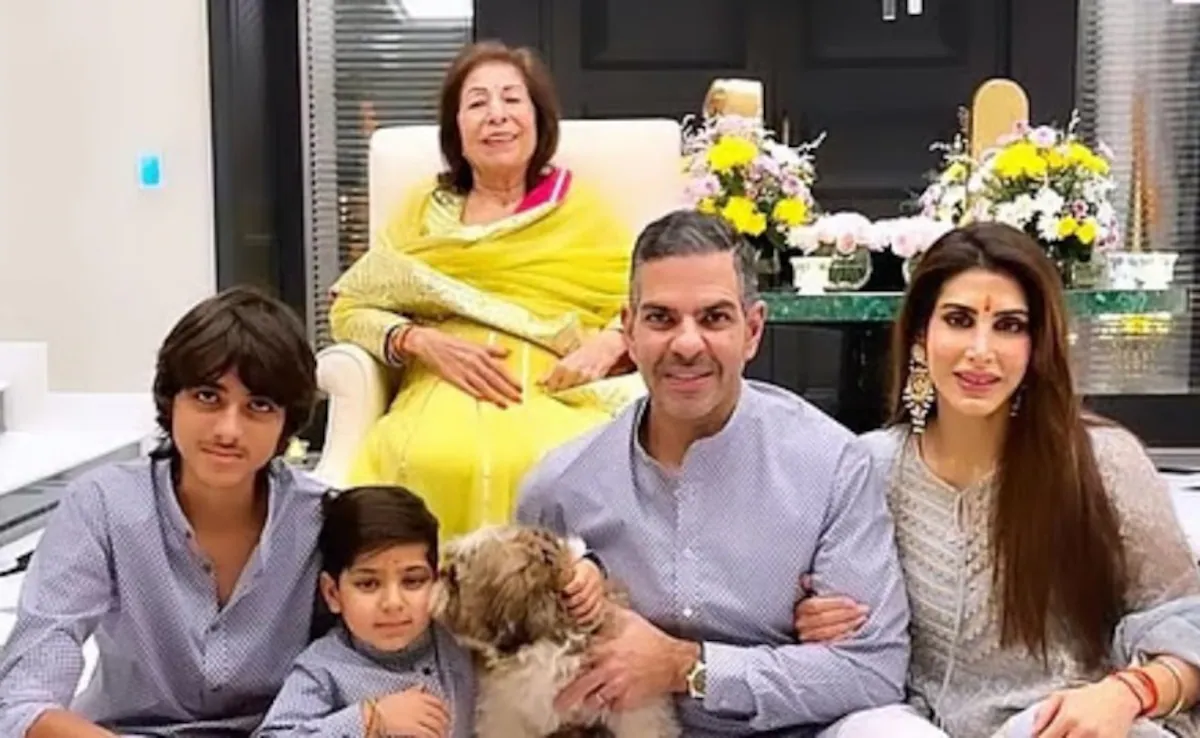
The sudden death of Sunjay Kapur, chairman of Sona Comstar, on June 12, 2025, has spiraled into a high-stakes family and corporate feud, with his mother, Rani Kapur, alleging that her son’s death was not a natural heart attack but a possible murder involving a “transnational conspiracy.” The Rs 30,000-crore Sona Group, a leading Indian auto components manufacturer, is now embroiled in a bitter succession battle, with Rani Kapur challenging the company’s claim that she is not a shareholder and accusing unnamed parties—implicitly targeting her daughter-in-law, Priya Sachdev Kapur—of coercion, forgery, and attempts to usurp the family legacy. This article examines the allegations, the corporate response, the legal and international dimensions, and the broader implications for Sona Comstar’s governance and India’s corporate landscape.
Background of the Feud
Sunjay Kapur, aged 53, died during a polo match in London on June 12, 2025, reportedly from a heart attack, with some media speculating an anaphylactic shock caused by a bee sting. As chairman of Sona BLW Precision Forgings Ltd (Sona Comstar), a flagship of the Sona Group founded by his father Surinder Kapur, Sunjay was a prominent figure in India’s automotive industry, known for supplying components to global electric vehicle makers. His death triggered a leadership vacuum, with the company appointing Jeffrey Mark Overly as chairman and Priya Sachdev Kapur, Sunjay’s third wife and a former model, as a non-executive director on June 23, 2025.
Rani Kapur, widow of Sona Group founder Surinder Kapur, who died in 2015, claims to be the sole beneficiary of his estate and the majority shareholder of the Sona Group, including Sona Comstar, based on a 2015 will. She alleges she was coerced into signing documents during her grief, denied access to her bank accounts, and excluded from key decisions, particularly Priya’s board appointment. Sona Comstar, however, asserts that Rani has not been a shareholder since at least 2019, citing a May 2019 declaration naming Sunjay as the sole beneficial owner of the RK Family Trust, which holds a 28.02% stake through Aureus Investments Pvt Ltd (AIPL). The company, with 71.98% of shares held by institutional and public investors, denies being family-run and refutes Rani’s claims of coercion.
Rani Kapur’s Murder Allegations
On August 4, 2025, Rani Kapur escalated the feud by filing a criminal complaint with UK authorities, alleging that Sunjay’s death was not accidental but involved “foul play, including the possibility of murder, abetment, conspiracy, fraud, and forgery.” In a letter obtained by NDTV, she claimed “credible and concerning evidence” pointing to “forgery, dubious asset transfers, and suspicious legal filings,” suggesting collusion by individuals who stood to gain financially, implicitly referring to Priya Sachdev Kapur. Rani, represented by senior advocate Vaibhav Gaggar, told ANI, “I’m old now. I need closure before I go,” citing her declining health and vowing to seek the truth. Sources indicate she may also approach US authorities, as Sunjay was an American national.
Rani’s allegations build on her earlier claims, made in a July 24, 2025, letter to Sona Comstar’s board and the Securities and Exchange Board of India (SEBI), where she demanded a deferment of the July 25 Annual General Meeting (AGM). She described Sunjay’s death as “suspicious” and “unexplained,” alleging she was pressured into signing documents without explanation during her mourning period, locked doors, and emotional distress. She claimed these documents were misused to facilitate Priya’s board appointment and marginalize her as the majority shareholder. Rani also reported losing access to her bank accounts, leaving her “at the mercy of a select few for survival.”
Sona Comstar’s Response
Sona Comstar has vehemently denied Rani’s allegations, issuing a cease-and-desist notice on July 29, 2025, accusing her of spreading “malafide, false, unwarranted, and uncorroborated” information that defamed the company and eroded shareholder value. The company emphasized:
-
Rani’s Shareholder Status: Sona Comstar asserts that Rani has not been a shareholder since at least 2019, based on a 2019 declaration identifying Sunjay as the sole beneficial owner of the RK Family Trust. Her name does not appear in recent shareholding records.
-
AGM Legality: The company proceeded with the AGM after seeking legal advice from a reputed Indian law firm, citing Rani’s lack of standing to demand a deferment. Priya Sachdev Kapur’s appointment as a non-executive director was ratified with 99.44% shareholder approval, and Jeffrey Mark Overly’s chairmanship with 98.9%.
-
No Coercion: Sona Comstar confirmed that no documents were signed or obtained from Rani post-Sunjay’s death, dismissing her coercion claims as baseless.
-
Corporate Governance: The company highlighted its professional management and independent board, with 71.98% public shareholding, rejecting the “family-run” narrative. It warned that Rani’s actions harm its 400,000 public shareholders.
Shares of Sona Comstar fell nearly 3% to Rs 477 on July 25, 2025, and an additional 0.5% by July 28, reflecting investor concerns over the feud.
Legal and International Dimensions
Rani Kapur’s allegations of murder and a transnational conspiracy have shifted the dispute beyond corporate governance to international law enforcement. Her UK complaint, filed due to Sunjay’s death in London, seeks a deeper probe into the circumstances, which were officially listed as a cardiac arrest but complicated by unverified reports of a bee sting. Sources suggest she may approach the National Company Law Tribunal (NCLT) in Chandigarh or the High Court to assert her shareholder status and allege oppression and mismanagement, though her lawyer, Vaibhav Gaggar, denies immediate legal action. The involvement of US authorities, given Sunjay’s American citizenship, adds a transnational layer, potentially complicating investigations into asset transfers and corporate control.
The Economic Times reported that Rani may seek a court declaration affirming her shareholder status, claiming she was excluded from voting at the AGM. Her blocked bank accounts and allegations of forgery point to possible financial misconduct, which could trigger SEBI or Enforcement Directorate (ED) scrutiny if substantiated. However, Sona Comstar’s insistence that Rani lacks “locus standi” and its legal countermeasures, including the cease-and-desist notice, suggest a protracted legal battle.
Broader Context: Family Feuds in Indian Business
The Sona Group feud echoes other high-profile family disputes in Indian corporate history, such as the Ambani brothers’ Reliance Industries split in 2005 and the Singhania family’s Raymond Group conflict in 2019. These cases often involve contested wills, shareholder disputes, and allegations of coercion, highlighting the challenges of succession in family-promoted businesses. Sona Comstar’s significant public shareholding (71.98%) and global operations, supplying components to electric vehicle giants, amplify the stakes, as investor confidence and market stability are at risk.
The involvement of Sunjay’s ex-wife, Karisma Kapoor, adds a Bollywood twist. Reports suggest she may seek a share of Sunjay’s Rs 300 billion estate for their children, Samaira and Kiaan, despite receiving Rs 700 million in alimony in 2016 and a Rs 140 million bond generating monthly interest. Neither Karisma nor her representatives have confirmed these claims, and her legal standing appears limited, but the speculation fuels public interest.
Critical Analysis: Murder or Mismanagement?
Rani Kapur’s murder allegations are a dramatic escalation, but their credibility remains unverified. The official cause of Sunjay’s death—a heart attack during a polo match—aligns with his active lifestyle, though the bee sting narrative, reported by outlets like Dainik Jagran, lacks official confirmation. Rani’s claim of a “transnational conspiracy” involving forgery and asset transfers suggests financial motives, possibly linked to Priya Sachdev Kapur’s board appointment and control of the RK Family Trust. However, without concrete evidence, her allegations risk being dismissed as emotional outbursts from a grieving mother, especially given Sona Comstar’s documented 2019 shareholder records.
The company’s robust defense, backed by legal counsel and shareholder approval, strengthens its position, but the blocked bank accounts and coercion claims raise questions about transparency. If Rani’s accounts were frozen, as she alleges, it could point to internal power plays, though Sona Comstar’s denial of any post-death document-signing undermines her narrative. The UK probe, if pursued, may clarify the cause of death, but jurisdictional challenges and the lack of prior evidence of foul play could limit its scope.
Implications and Future Outlook
The Sona Group feud threatens Sona Comstar’s reputation and investor confidence, despite its operational stability as a global auto components leader. A prolonged legal battle could disrupt boardroom dynamics and distract from strategic goals, especially in the competitive electric vehicle market. Rani’s potential NCLT or High Court filings may force SEBI to examine shareholding records and governance practices, potentially exposing irregularities or reinforcing the company’s stance.
For Rani, the UK and possible US probes represent a high-stakes gamble to uncover evidence of foul play. If substantiated, her allegations could lead to criminal investigations and reshape the narrative around Sunjay’s death. If not, her claims may weaken her legal standing in the shareholder dispute. Priya Sachdev Kapur’s silence, as noted in media reports, avoids escalating the public feud but leaves her vulnerable to Rani’s accusations.
The case also highlights broader issues in Indian corporate governance: the tension between family legacies and professional management, the vulnerability of grieving relatives to coercion, and the need for transparent succession planning. Sona Comstar’s 71.98% public shareholding underscores the importance of protecting minority investors amid family disputes.
Comments are closed.