
The Evolution of Men’s Beauty: Trends, Standards, and Cultural Shifts

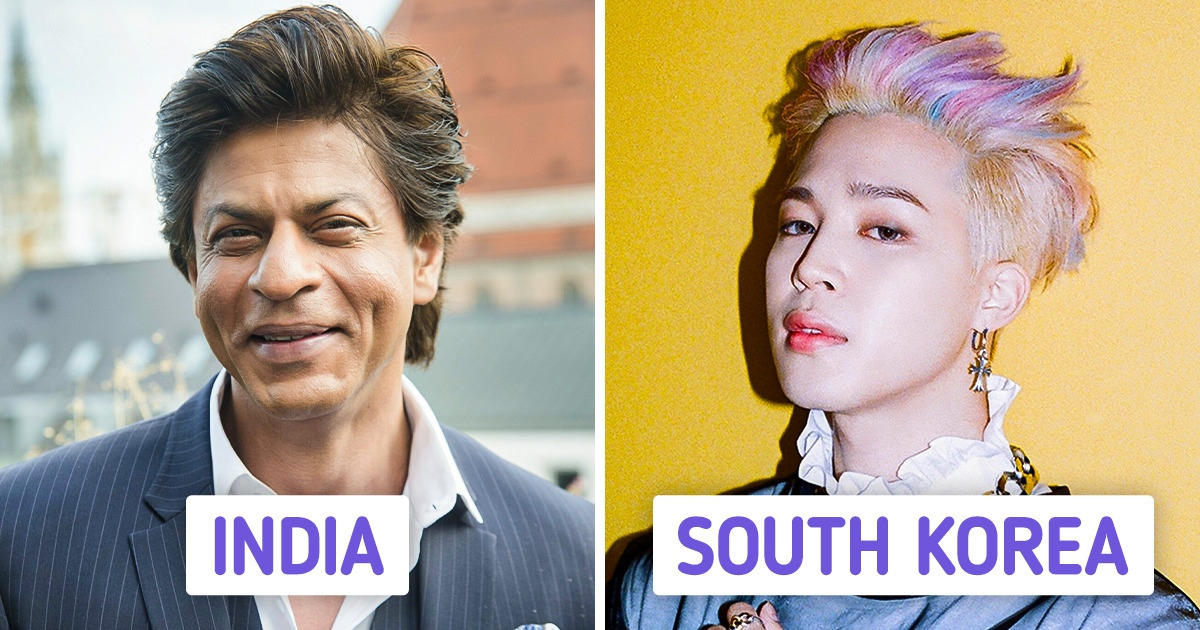
The concept of men’s beauty has undergone a profound transformation in recent years, driven by shifting cultural norms, the influence of social media, and a growing acceptance of gender fluidity. Once confined to traditional notions of hypermasculinity—muscular physiques, rugged features, and minimal grooming—modern men’s beauty embraces a broader spectrum, including skincare, makeup, and diverse aesthetic ideals. From high-profile endorsements by celebrities like Alex Rodriguez to the rise of androgynous K-pop stars, men’s beauty is no longer a niche market but a burgeoning global industry. This article explores the evolution of men’s beauty standards, current trends, societal impacts, challenges, and the path forward, drawing on insights from industry developments and cultural shifts.
Historical Context of Men’s Beauty Standards
Men’s beauty ideals have varied significantly across time and geography, shaped by cultural, economic, and social factors:
-
Ancient Civilizations: In ancient Greece (6th century BCE), sculptures like the kouros emphasized youthful, athletic bodies with balanced musculature, symbolizing moral and physical excellence (arete). Small genitalia were idealized to signify restraint and civility, contrasting with barbaric excess. In ancient Egypt, youthful figures in art reflected idealized beauty, often tied to divine favor.
-
Medieval and Early Modern Periods: During times of food scarcity, excess body fat symbolized wealth and power, as seen in European paintings of prominent figures. By the Renaissance, idealized male beauty returned to muscularity and intellect, inspired by classical Greek and Roman art.
-
20th Century: Western media reinforced hypermasculine stereotypes, with advertising (e.g., Axe, Old Spice) portraying men as rugged and sexually dominant. These depictions often sidelined grooming beyond basic hygiene, framing beauty as a feminine concern.
Today, global influences, particularly from East Asia, have diversified these standards, with slim, androgynous looks gaining traction alongside traditional muscular ideals.
Current Trends in Men’s Beauty
The men’s beauty industry has seen explosive growth, driven by changing consumer behaviors and digital platforms:
-
Skincare Boom: Men’s skincare is a key growth sector, with U.S. sales rising due to social media-driven awareness. Products like moisturizers, serums, sunscreens, and eye treatments are increasingly popular, fueled by influencers like Edward Zo (@edwardzo) and dermatologists like Dr. Muneeb Shah (@dermdoctor). Brands like CeraVe and Neutrogena leverage male influencers to normalize advanced skincare.
-
Makeup Adoption: Men’s makeup, once taboo, is gaining acceptance. Alex Rodriguez’s Blur Stick with Hims & Hers and brands like War Paint for Men offer concealers, bronzers, and lip balms tailored for men. The focus is on “no-makeup makeup” looks, emphasizing natural enhancement with lightweight, buildable products like Dior’s Face and Body foundation.
-
Gender-Neutral Products: Beauty brands are shifting toward unisex packaging and formulations to appeal to younger, gender-fluid consumers, particularly Gen Z, who account for 17% of Europe’s beauty spending (projected to reach 20% by 2029). Shiseido, for example, targets younger men and non-binary consumers through digital channels like social media and gaming platforms.
-
Physical Ideals: While Western standards still emphasize muscularity, height, and symmetry, East Asian trends favor slim, youthful, and androgynous aesthetics, driven by K-pop culture. Social media amplifies these ideals, with platforms like Instagram and TikTok shaping perceptions through curated images and “get ready with me” (GRWM) videos.
The global men’s grooming market is projected to grow, with the U.S. following Asia’s lead in normalizing advanced care beyond shaving and haircare.
Societal Impacts
The evolving men’s beauty landscape has far-reaching implications:
-
Economic: The men’s beauty sector is a multi-billion-dollar industry, with brands like Hims & Hers, War Paint, and Shiseido capitalizing on rising demand. The UK market alone saw a 14% increase in men’s skincare sales over six months, outpacing women’s at 6%. This growth attracts investment from major players seeking to acquire digital-savvy grooming brands.
-
Social: Men face increasing pressure to conform to beauty standards, leading to body image concerns. Research indicates 10–30% of male adolescents are dissatisfied with their bodies, with 69% citing weight-related issues. Muscle dysmorphia, or “bigorexia,” drives some to extreme bodybuilding or “ego lifting,” risking injury, while others pursue dangerous dieting or performance-enhancing drugs (PEDs).
-
Cultural: Social media platforms like TikTok and Instagram amplify idealized images, fostering comparison and self-objectification. Men are less likely to seek skincare advice from peers, relying instead on online searches, which can exacerbate unrealistic expectations. However, campaigns like Google’s “Dear Sophie” and CeraVe’s Michael Cera partnership use emotional storytelling to connect with men, redefining masculinity.
-
Psychological: The pressure to meet beauty standards can lead to mental health challenges, including body dysmorphia, anxiety, and low self-esteem. Men report feeling judged for not meeting ideals of muscularity or symmetry, with some facing social penalties for prioritizing appearance.
Challenges
The rise of men’s beauty faces several hurdles:
-
Cultural Resistance: Traditional notions of masculinity discourage men from engaging in beauty routines, associating them with femininity or vanity. This stigma persists, particularly among older demographics.
-
Mental Health Risks: The pursuit of idealized physiques or flawless skin can lead to harmful behaviors, such as extreme dieting, steroid use, or cosmetic surgeries, with long-term health consequences.
-
Social Media Influence: Platforms amplify unrealistic standards, with curated images and filters creating unattainable ideals. Regulatory scrutiny, such as potential TikTok bans in the U.S., could disrupt the digital-driven growth of men’s skincare.
-
Accessibility and Education: Men often lack knowledge about skincare or makeup, and brands must invest in education to bridge this gap. The reluctance to seek peer advice further complicates adoption.
Path Forward
To sustain and expand the men’s beauty movement:
-
Normalize Grooming: Brands should continue leveraging male influencers and celebrities to destigmatize skincare and makeup, emphasizing health and confidence over vanity.
-
Promote Education: Develop accessible resources, such as tutorials and dermatologist-led campaigns, to guide men on effective routines. Brands like CeraVe and Shiseido can lead by integrating clinical expertise.
-
Encourage Inclusivity: Expand gender-neutral and shade-inclusive products to cater to diverse skin tones and gender identities, aligning with Gen Z’s values.
-
Address Mental Health: Promote body positivity and mental health awareness to counter the negative effects of beauty standards. Campaigns should highlight realistic male roles, like “The Dedicated Partner,” to foster relatability.
-
Regulate Social Media Impact: Brands and regulators should address the spread of unrealistic images, encouraging transparency about filters and edits to reduce harmful comparisons.
The men’s beauty industry has evolved from a niche market to a global phenomenon, driven by cultural shifts, digital platforms, and changing definitions of masculinity. While historical ideals emphasized hypermasculine traits, modern standards embrace skincare, makeup, and diverse aesthetics, from muscularity to androgyny. This transformation brings economic opportunities but also social and psychological challenges, including body dysmorphia and unrealistic expectations fueled by social media. By normalizing grooming, promoting education, and fostering inclusivity, the industry can empower men to embrace self-care without stigma. As men’s beauty continues to redefine masculinity, a balanced approach that prioritizes health, confidence, and authenticity will shape a more inclusive future.
Comments are closed.