
China Begins Construction of Massive Dam Near Arunachal Border; India Flags Security, Environmental Concerns

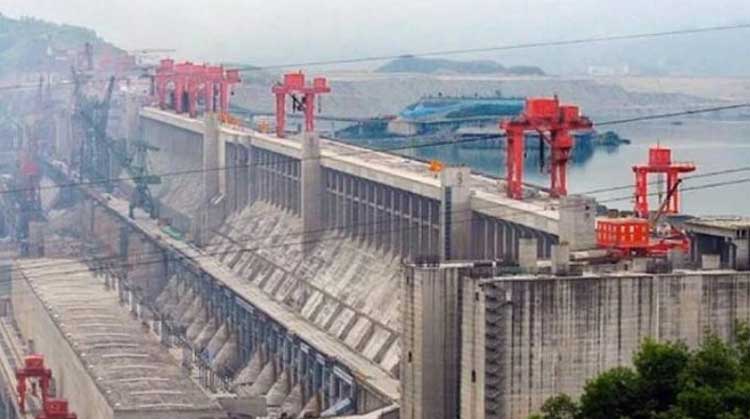
China has officially started building a massive hydropower project on the Yarlung Tsangpo river in southeastern Tibet—known as the Brahmaputra once it flows into India. Chinese Premier Li Qiang attended the groundbreaking ceremony on Saturday, according to state-run media.
The project, greenlit by Beijing in December 2023, is coming up in the Nyingchi region, close to the Indian border in Arunachal Pradesh. With an estimated investment of 1.2 trillion yuan (approximately $167.1 billion), the megastructure will consist of five hydropower stations and is expected to surpass the scale of China’s iconic Three Gorges Dam.
According to China’s state news agency Xinhua, the electricity generated will be supplied to various regions across the country, while also meeting local energy needs in Tibet.
India Raises Alarm Over Dam’s Strategic, Environmental Fallout
India has repeatedly flagged concerns over the dam’s potential downstream impact, especially in the absence of any water-sharing treaty between the two nations. New Delhi fears that sudden water releases could have devastating consequences for communities in Arunachal Pradesh and Assam, and even further downstream in Bangladesh.
Arunachal Pradesh Chief Minister Pema Khandu strongly criticized the project, calling it an “existential threat” to the region. “China cannot be trusted. No one knows what they might do. This dam could even be used as a ‘water bomb’,” he told PTI earlier this month.
Khandu warned that abrupt water discharges from the dam could ravage the Siang valley and severely impact indigenous communities like the Adi tribe. “It would destroy property, land, and human life,” he said, adding that China’s refusal to adhere to international water-sharing treaties further heightens the risk.
India to Closely Monitor, Prepare Countermeasures
India’s Ministry of External Affairs reiterated in January that it had raised the issue with China and would “monitor and take necessary measures to protect our interests.” It urged Beijing to ensure no harm comes to downstream regions due to upstream activities.
In response, China’s foreign ministry claimed the project would have no “negative impact” on downstream nations and promised to maintain communication with affected countries.
As a counter-strategy, CM Khandu said Arunachal Pradesh, in consultation with the central government, is moving ahead with the Siang Upper Multipurpose Project. This indigenous project aims to serve both as a “defensive measure” and as a long-term safeguard for water security in the vulnerable region.
Comments are closed.