

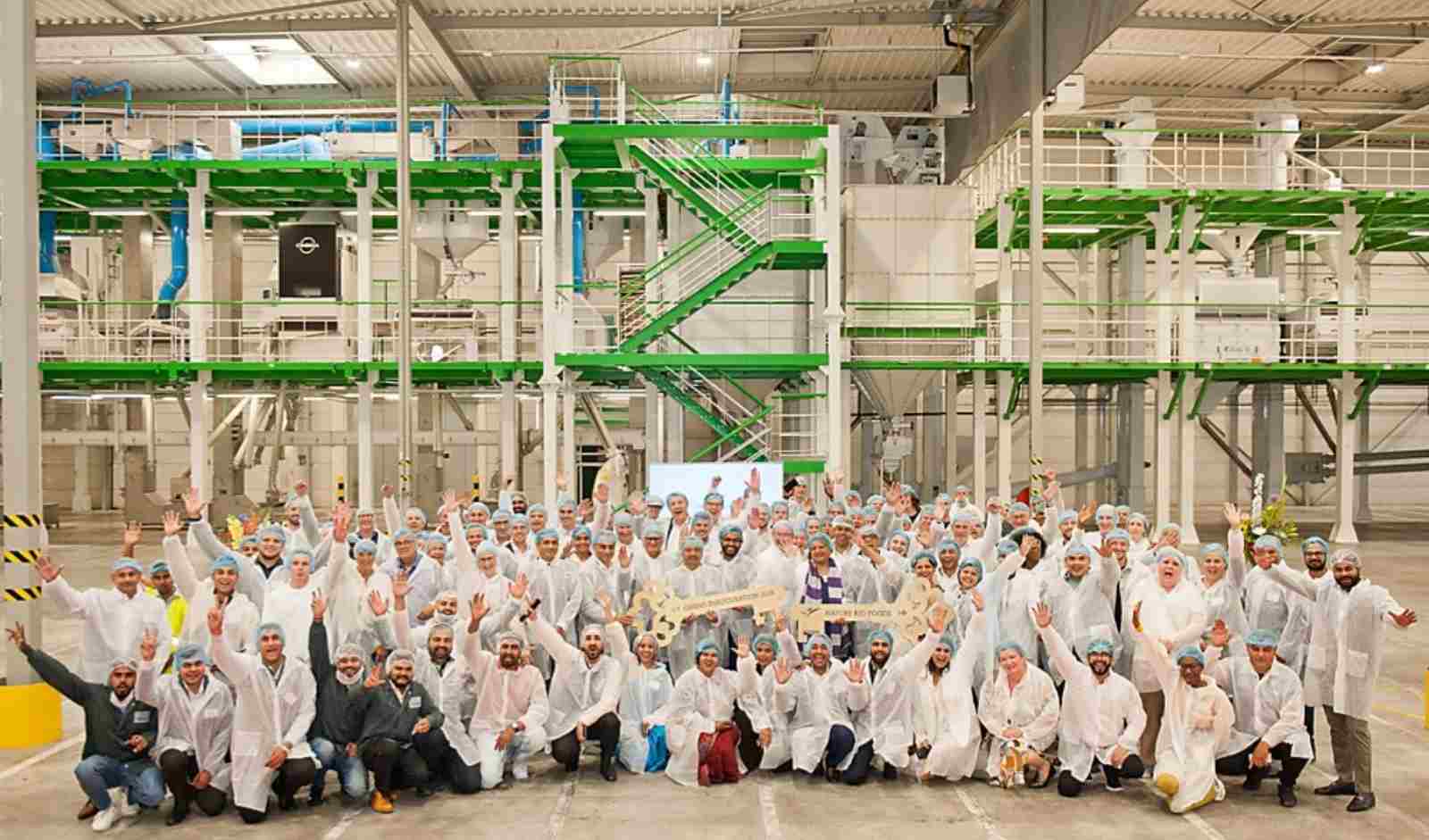
India marked a significant milestone in its quest to become a global semiconductor hub with the groundbreaking ceremony for a new USD 2 billion chip manufacturing plant in Gujarat’s Dholera Special Investment Region. The facility, a joint venture between an Indian conglomerate and a leading Taiwanese semiconductor firm, is set to produce advanced chips for electronics, automotive, and defense applications. This development, announced by the Ministry of Electronics and IT (MeitY), aligns with India’s ambitious Production Linked Incentive (PLI) scheme and strengthens its position in the global supply chain amid ongoing geopolitical shifts.
Details of the New Plant
The Gujarat plant, expected to commence production by mid-2027, will focus on 28-nanometer and 40-nanometer chips, critical for smartphones, electric vehicles, and 5G infrastructure. With an initial capacity of 50,000 wafer starts per month, the facility aims to reduce India’s reliance on imported semiconductors, which currently account for over 90% of its USD 30 billion annual chip demand. The project is supported by a USD 1 billion subsidy under the PLI scheme, alongside private investments.
The plant is projected to create 5,000 direct jobs and 20,000 indirect jobs, boosting Gujarat’s economy and positioning Dholera as a key node in India’s semiconductor ecosystem. The collaboration with the Taiwanese partner brings advanced technology and expertise, addressing India’s historical gap in chip manufacturing capabilities.
Driving Factors
Several factors are propelling India’s semiconductor push:
-
Global Supply Chain Shifts: Disruptions caused by US-China trade tensions and supply chain vulnerabilities have prompted global firms to seek alternative manufacturing hubs. India’s stable policy environment and large market make it an attractive destination.
-
Government Support: The PLI scheme, with a USD 10 billion budget, offers incentives for semiconductor and electronics manufacturing. Additional policies, like the India Semiconductor Mission, streamline approvals and provide infrastructure support.
-
Domestic Demand: India’s growing electronics market, driven by smartphone penetration and EV adoption, requires a robust domestic chip supply to reduce import costs and enhance self-reliance.
-
Geopolitical Advantage: India’s neutral stance in global geopolitics positions it as a trusted partner for Western and Asian semiconductor firms seeking diversification.
Recent posts on X highlight enthusiasm for the project, with users praising India’s “Make in India” initiative, though some express concerns about execution timelines and skill development needs.
Economic and Strategic Implications
The Gujarat plant has far-reaching implications:
-
Economic Growth: The facility will boost India’s electronics manufacturing sector, projected to reach USD 300 billion by 2026, and reduce the trade deficit, which is expected to hit USD 300 billion in FY26 due to high electronics imports.
-
Job Creation: The project will generate high-skill jobs, addressing unemployment among India’s tech workforce and fostering innovation.
-
Strategic Security: Domestic chip production enhances India’s strategic autonomy, reducing dependence on foreign suppliers for critical sectors like defense and telecommunications.
The plant also strengthens India’s role in global tech supply chains, positioning it to compete with countries like Taiwan and South Korea. However, challenges like water and power infrastructure in Dholera and the need for a skilled workforce must be addressed.
Challenges and Path Forward
Despite the optimism, India faces hurdles in its semiconductor ambitions:
-
Technical Expertise: Building a skilled workforce for advanced chip manufacturing requires significant investment in training and education.
-
Infrastructure Needs: Reliable power and water supply are critical for semiconductor plants, and Dholera’s infrastructure is still developing.
-
Global Competition: India must compete with established hubs like Taiwan and emerging players like Vietnam, requiring sustained policy support.
To succeed, India can:
-
Expand Skill Development: Partner with global firms to train engineers in semiconductor design and fabrication.
-
Strengthen Infrastructure: Accelerate investments in Dholera’s power and water systems under the PM Gati Shakti initiative.
-
Attract More Investments: Offer additional incentives to lure global chipmakers, building on the success of the Gujarat project.
-
Foster R&D: Establish semiconductor research centers to drive innovation and reduce reliance on foreign technology.
The groundbreaking of the Gujarat semiconductor plant on July 17, 2025, marks a pivotal step in India’s journey to become a global technology powerhouse. By leveraging government support, international partnerships, and domestic demand, India is poised to reshape its electronics ecosystem. However, overcoming infrastructural and skill-related challenges will be key to sustaining this momentum. As the world watches, India’s semiconductor push could redefine its role in the global supply chain, driving economic and strategic gains for years to come.
Comments are closed.