

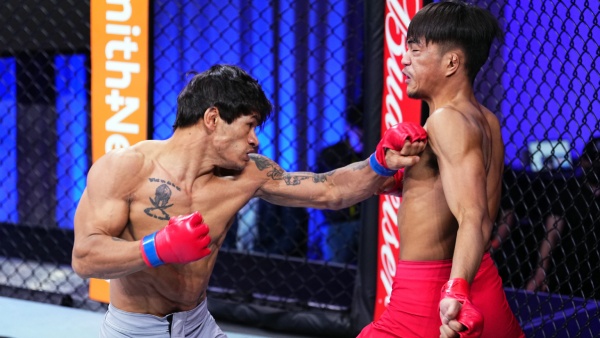
Despite India’s population of over 1.4 billion and a growing fanbase for combat sports, Indian mixed martial artists have yet to make a significant impact on the global stage of the Ultimate Fighting Championship (UFC). While a few fighters of Indian origin have competed under the UFC banner, no Indian-born athlete has broken into the top rankings or headlined a major event. The gap between talent and global success has raised an important question: Why isn’t India dominating in the UFC?
1. Lack of World-Class Infrastructure
At the heart of the issue lies the underdeveloped training infrastructure for MMA in India. Unlike countries like the United States, Brazil, or Russia, India still lacks a sufficient number of top-tier MMA gyms with experienced coaches, sparring partners, and sports science support. The few facilities that do exist are largely concentrated in major cities and often struggle with funding, international exposure, and qualified personnel.
Fighters often train in isolated disciplines like wrestling or boxing but don’t get comprehensive MMA training until much later in their careers—putting them at a disadvantage globally.
2. Limited Exposure and Competition
Indian fighters also face limited access to high-level competition during their formative years. While regional promotions such as Matrix Fight Night (MFN) and Soul of Warriors (SOW) have helped create platforms for talent, these events are still in early stages when compared to the amateur and professional circuits in countries with established MMA legacies.
Competing only in domestic or lower-tier promotions does not adequately prepare athletes for the level of intensity, technique, and mental conditioning needed in the UFC.
3. Cultural and Parental Resistance
Combat sports like MMA still face cultural resistance in many Indian households. Parents traditionally encourage careers in engineering, medicine, or cricket—sports or fields seen as more stable and socially accepted. MMA, often perceived as brutal or unsafe, struggles to gain acceptance as a legitimate career choice.
This results in fewer young athletes taking up MMA seriously from an early age, compared to wrestling or cricket.
4. Financial Challenges and Lack of Sponsorship
Building a professional career in MMA requires significant financial support—for coaching, travel, nutrition, recovery, and training gear. Most Indian fighters struggle to secure sponsors or funding, and many hold secondary jobs just to stay afloat. Unlike UFC athletes from countries with established support systems, Indian fighters often reach professional stages without having consistent financial or managerial backing.
This puts Indian athletes at a major disadvantage when competing against fighters with access to superior resources and networks.
5. Insufficient Grassroots Programs
India has a long wrestling tradition, and some talent has transitioned into MMA—but unlike wrestling or boxing, MMA lacks structured grassroots programs. There is no nationwide amateur league system, certified rankings, or federation with widespread reach. Without a defined developmental pipeline, most fighters only discover MMA in their late teens or twenties, missing years of foundational training.
6. Representation Issues in UFC
So far, only a handful of Indian-origin fighters have been signed by the UFC, and most of them are not India-born or trained. Fighters like Arjan Bhullar (of Indian descent but Canadian-born) and Bharat Kandare (India’s first UFC signee) made early headlines, but their UFC runs were short-lived due to injuries, losses, or external constraints.
Without strong performances and representation, Indian MMA remains under the UFC radar. Promoters are more likely to invest in markets with proven fighters and audience returns.
7. Slow Institutional Recognition
Unlike boxing or wrestling, MMA in India is not recognized by key national sports bodies. This lack of institutional recognition means no government funding, no sports quota benefits, and no streamlined process for athlete development. It also prevents MMA from being taught or promoted in schools and universities.
Without state support, most MMA progress depends on private investment or foreign training—a luxury many Indian fighters cannot afford.
The Way Forward
For India to make its mark in the UFC, a multi-pronged strategy is needed:
-
Develop grassroots MMA leagues with proper coaching and medical oversight
-
Promote international collaborations with leading gyms
-
Offer scholarships and sponsorships to top amateur talent
-
Normalize combat sports as a career path through media and educational outreach
-
Institutionalize MMA through national recognition and federation-level reforms
India has the raw talent, particularly in wrestling and boxing. What it lacks is a system to convert that talent into elite-level UFC contenders.
India’s absence from the top ranks of the UFC is not due to a lack of potential but a lack of structural and cultural readiness. With a rapidly expanding audience for MMA and increasing interest among youth, the time is ripe for a transformation. With the right investment and vision, Indian fighters can soon rise from the shadows of obscurity to the global spotlight inside the UFC octagon.
Comments are closed.