
Trump Says India Will Lower Tariffs to Boost Market Access for U.S. Firms

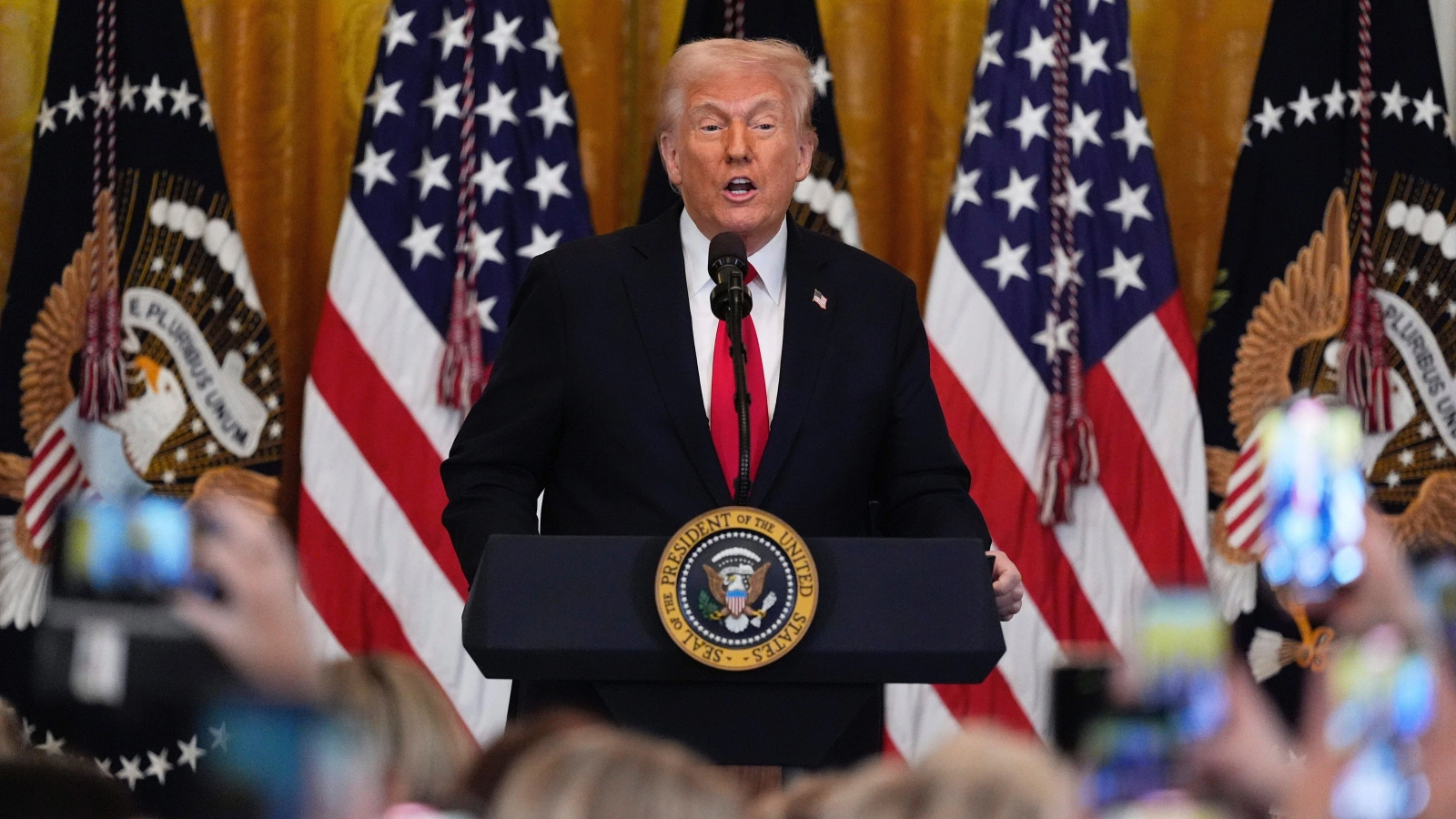
Former U.S. President Donald Trump has said that India will reduce import tariffs to enable American firms to compete more fairly in the Indian market, calling it a “win for American business and a step toward balanced trade.” The statement comes amid renewed trade engagement between the two countries under the broader framework of the U.S.–India COMPACT.
Speaking at a business forum in Florida, Trump highlighted that discussions with Indian leadership had led to assurances on phased tariff reductions, particularly in sectors like electronics, medical devices, agriculture, and automobiles. These sectors have long been a point of contention for U.S. companies seeking better access to India’s rapidly growing economy.
A Push for Fair Competition
Trump asserted that American companies face significant barriers in India due to high tariff walls and non-tariff restrictions, which hinder their competitiveness. “We’re seeing India open up — not because they want to, but because we negotiated hard,” he said.
While India maintains strategic tariff structures to protect domestic industries, it has been increasingly engaging with global partners to align on trade liberalization in key sectors tied to innovation, technology, and consumer growth.
India’s Trade Position
India has indicated a willingness to ease certain tariffs as part of broader economic cooperation, particularly where it enhances technology transfer, manufacturing investments, and access to critical goods.
Indian officials, however, have reiterated that any tariff adjustments would be balanced and reciprocal, ensuring protection for sensitive domestic industries, including agriculture and MSMEs.
India’s recent efforts to revise trade policies reflect its strategy to become a global manufacturing hub and an active participant in diversified supply chains.
Focus Areas for Tariff Reduction
According to sources familiar with the dialogue, the following sectors are likely to see the earliest impact from proposed tariff easing:
-
Consumer electronics: Tariff cuts may make it easier for U.S. brands to compete with local and Chinese players.
-
Agricultural products: Negotiations are ongoing around dairy, almonds, and apples — all key U.S. export items.
-
Medical technology: The U.S. has raised concerns over price caps and import duties; India is reviewing a new med-tech policy.
-
Automobiles and EVs: Talks include high-end vehicles and electric mobility partnerships.
Implications for Bilateral Trade
The U.S.–India bilateral trade surpassed $200 billion in 2024, making the U.S. India’s largest trading partner. Lowering tariffs is expected to spur foreign direct investment, increase product diversity in the Indian market, and allow Indian exporters reciprocal benefits in the U.S.
Trump emphasized that India’s readiness to adjust its tariff regime was a sign of the strength of U.S. economic diplomacy. He also noted that this development could be a model for future trade negotiations with other partners.
Trump’s remarks on India’s commitment to reduce tariffs reflect a broader shift in U.S.-India economic relations, where both sides are aligning on principles of market access, fair competition, and mutual growth. If implemented, the move could open new doors for American enterprises in India’s vast consumer economy while advancing New Delhi’s goals of global trade integration.
Comments are closed.