
International Day of Yoga 2025 Unites the World Under Theme ‘One Earth, One Health’

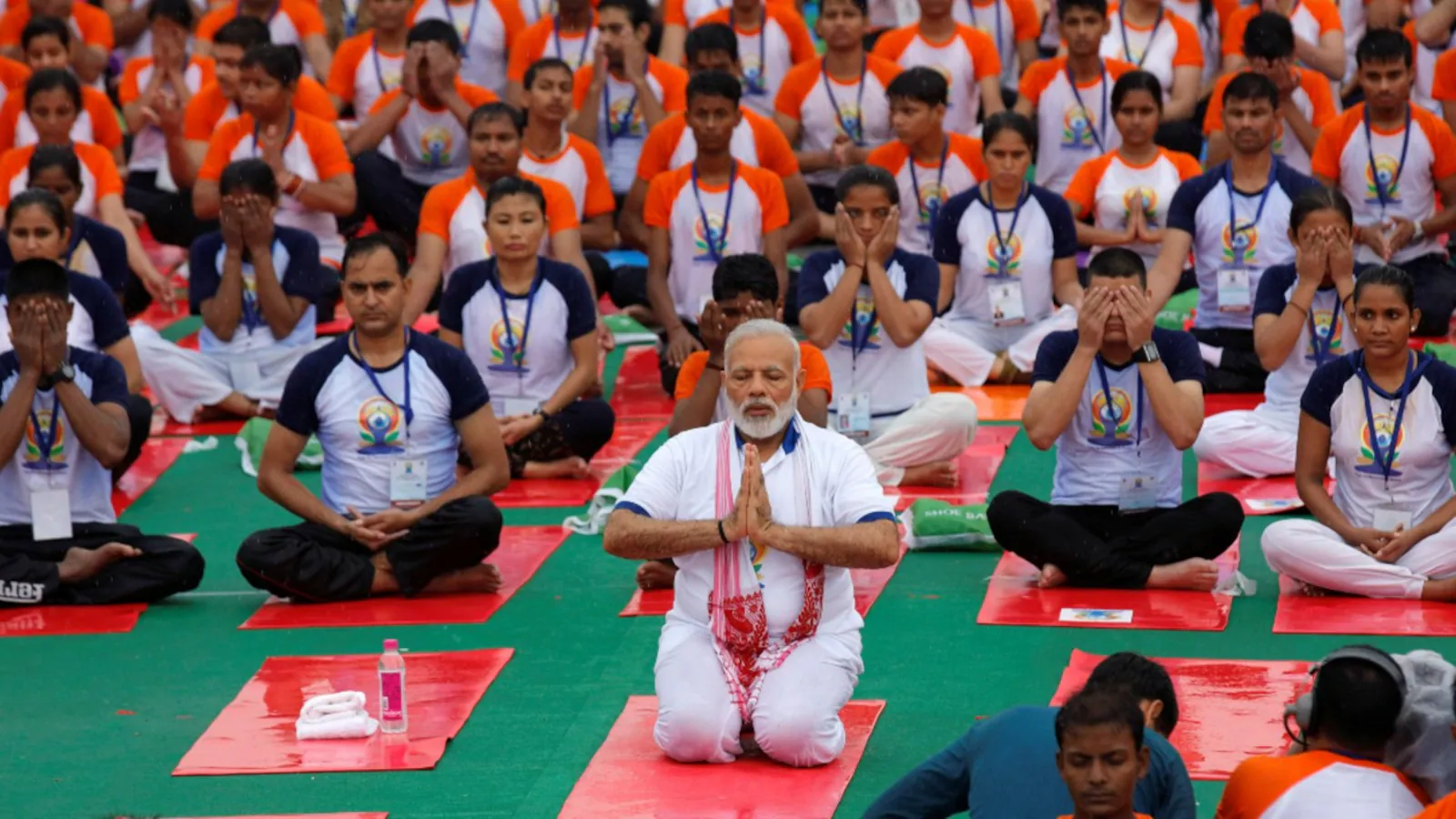
On the morning of June 21, as dawn broke over the eastern coast of India, Prime Minister Narendra Modi led thousands in celebrating the 11th International Day of Yoga at Visakhapatnam’s iconic RK Beach. Against the serene backdrop of the Bay of Bengal, over 300,000 participants joined the Prime Minister in performing a sequence of yogic asanas and breathing exercises, embodying harmony, discipline, and collective well-being.
This year’s theme, “Yoga for One Earth, One Health,” carried a powerful message: that health is not merely an individual pursuit, but a shared responsibility across humanity and the environment. It emphasized a holistic vision—where personal balance is connected to global ecological and social equilibrium.
A Worldwide Movement
The celebrations extended far beyond India’s borders. In a resounding testament to Yoga’s global reach, events were held across 191 countries, from the icy Himalayan monasteries in Ladakh to the bustling avenues of New York City’s Times Square. Indian embassies, cultural missions, and international yoga organizations coordinated events that brought together millions of practitioners in parks, schools, temples, and urban plazas.
In the United States, United Kingdom, Australia, Japan, Brazil, and several African nations, Yoga Day was marked by large gatherings, reflecting not only the popularity of Yoga as a wellness practice but also India’s expanding soft power and cultural influence.
Prime Minister’s Address
In his address at RK Beach, Prime Minister Modi reiterated Yoga’s unique ability to unite humanity. He described Yoga as India’s timeless gift to the world, transcending geography, language, and religion. According to him, Yoga is a bridge between ancient wisdom and modern science—equipping people with the mental and physical resilience needed in a fast-paced, stressful world.
He also linked Yoga to environmental consciousness, stating that mindfulness practices like Yoga cultivate awareness not only of the self but also of nature. “A healthy lifestyle and a healthy planet go hand in hand. When we care for ourselves, we also begin to care more deeply for the Earth,” the Prime Minister remarked.
Diverse Participation and Symbolism
The scale and diversity of participation this year highlighted the global embrace of Yoga. From schoolchildren in rural Bihar to diplomats in Geneva, from tribal communities in Northeast India to Navy personnel aboard warships, the unifying spirit of Yoga transcended borders and backgrounds.
At the same time, the symbolic selection of Visakhapatnam—a coastal city rich in cultural and spiritual heritage—highlighted India’s efforts to decentralize national celebrations and promote wellness tourism in emerging regions.
The presence of large numbers of young people, military personnel, healthcare workers, and volunteers pointed to the broadening appeal of Yoga beyond traditional demographics. Yoga was celebrated not only as a physical discipline but also as a public health practice, a community ritual, and a spiritual exercise.
Global Recognition and Future Vision
Since its inception in 2015, following Prime Minister Modi’s proposal at the United Nations General Assembly, the International Day of Yoga has grown into one of the most visible global wellness movements. The annual observance now symbolizes not only India’s civilizational legacy but also the contemporary urgency of global health and mental well-being.
This year’s theme, “One Earth, One Health,” aligned closely with post-pandemic health narratives and the global push for sustainable development. It called for a convergence of personal transformation and planetary responsibility, echoing the interconnectedness of all life.
The 11th International Day of Yoga reaffirmed that Yoga is far more than a form of exercise—it is a philosophy of balance, unity, and compassion. As millions rolled out their mats across continents, the world witnessed not just a coordinated physical movement, but a collective spiritual commitment. With India at the heart of this global awakening, Yoga continues to be a living tradition that offers solutions to the crises of both the body and the planet.
Comments are closed.