
‘5,000 deaths’, internet still out; cleric calls for executions as Iran protest eases, directly threatens Trump

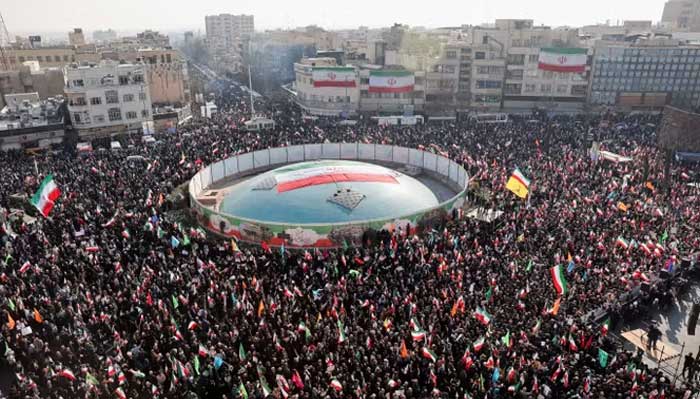
The pace of anti-government protests in Iran appears to have slowed, with no recent reports or videos of unrest emerging from the country, which has been under a partial communication blackout for days.
The crackdown on demonstrations that began in late December 2025 has reportedly left thousands dead. Norway-based rights group Iran Human Rights (IHR) says 3,428 protesters have been verified killed, though estimates range from 5,000 to possibly 20,000 due to limited independent verification during the internet blackout. The Associated Press reported a toll of at least 3,090 deaths, citing activists.
Despite the apparent lull, Iran’s exiled prince, Reza Pahlavi, called for fresh coordinated demonstrations over the weekend, urging citizens to “raise your voices in anger and protest with our national slogans.” Pahlavi’s earlier video messages were seen as instrumental in mobilizing the initial wave of protests.
Trump, clerics and halted executions
Amid the unrest, US President Donald Trump said that Iran had canceled the planned execution of over 800 detainees, calling it a significant development. “I greatly respect the fact that they canceled,” Trump told reporters in Washington, though he did not specify who in Iran confirmed the halt or whether it affected US contingency plans. Executions and the killing of peaceful protesters were described by Trump as red lines for possible intervention.
Meanwhile, a hard-line cleric, Ayatollah Ahmad Khatami, publicly called for the death penalty for detained demonstrators and directly threatened Trump. Speaking during Friday prayers, Khatami described protesters as the “butlers” of Israeli Prime Minister Benjamin Netanyahu and “Trump’s soldiers,” warning that Americans and Zionists “should not expect peace.”
Communications remain limited
The total internet blackout in Iran has lasted more than 180 hours, according to monitoring group NetBlocks, surpassing a similar shutdown during 2019 protests. Some restrictions have been eased: mobile users can make calls abroad, but texting services remain down, and internet access is still limited to government-approved local websites. People outside Iran remain unable to reach those inside the country. Witnesses in Tehran, speaking anonymously for fear of reprisal, said online access remains tightly controlled.
While the initial wave of unrest has subsided, the situation remains tense, with authorities maintaining tight control over communications and security forces ready to respond to renewed demonstrations.
Comments are closed.